 01
01
BUILT-UP ROOFING
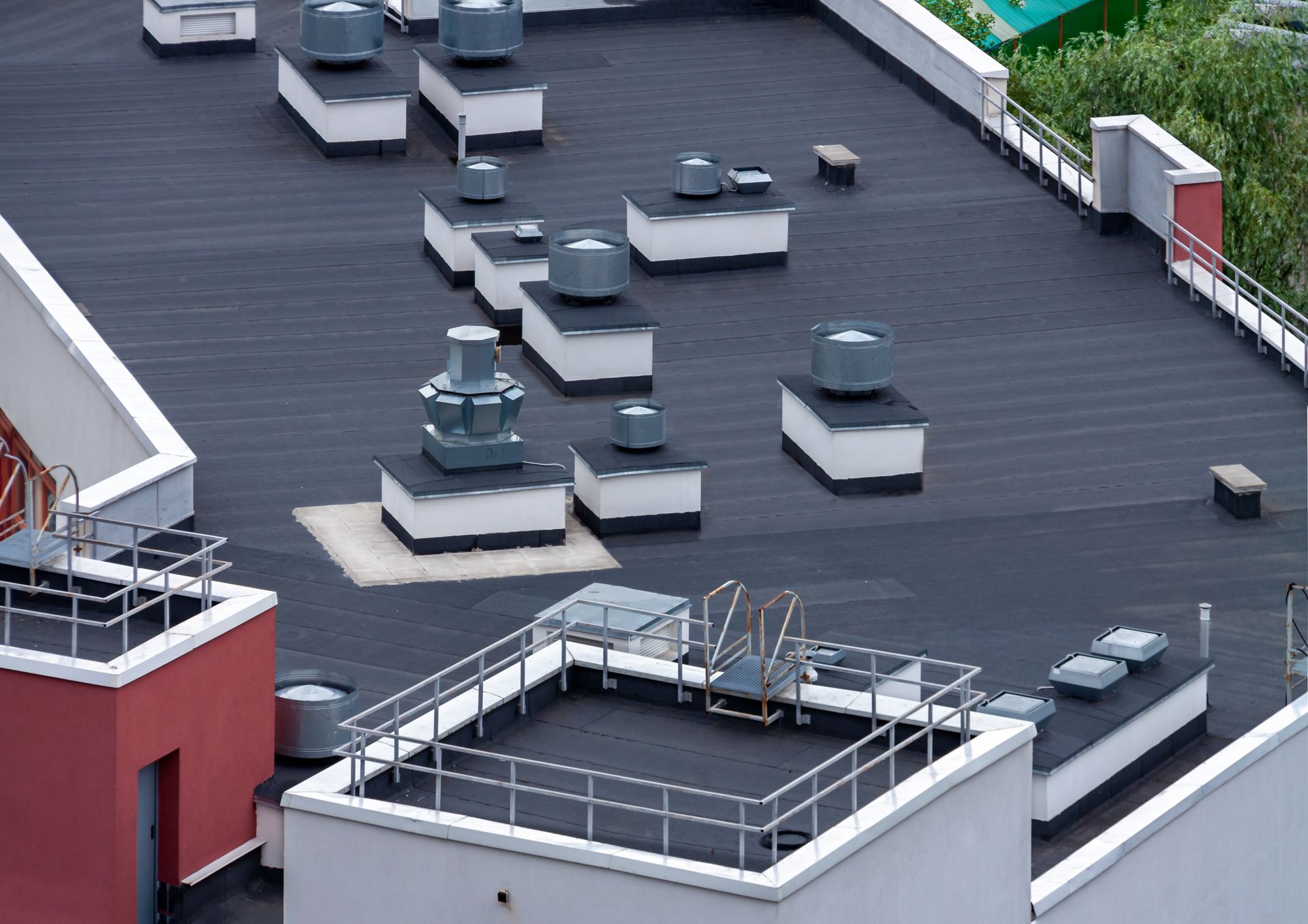
Multi-ply asphalt and reinforcing layers used on low-slope commercial roofs where redundancy and proven performance matter.
EXPLORE BUILT-UP ROOFING →Compare six commercial roofing system families by slope, assembly, drainage, building use, critical details and lifecycle goals before deciding what belongs on the roof.
There is no universal best commercial roof system. Built-up, modified bitumen, TPO, PVC, EPDM and metal each solve different problems. The right choice depends on the building, roof slope, existing assembly, drainage, penetrations, operations and long-term ownership strategy.
Commercial roof systems solve different problems. The correct choice depends on roof slope, deck, existing assembly, drainage, rooftop equipment, chemical exposure, energy goals, expected ownership period and maintenance strategy.
| System | Roof Slope | System Type | Standout Strength | Critical Details |
|---|---|---|---|---|
| Built-Up Roofing | Low-Slope | Multi-ply asphalt + reinforcement | Redundancy + proven history | Layer interfaces, flashings and drainage |
| Modified Bitumen | Low-Slope | Modified asphalt sheet | Durability + detail flexibility | Seams, transitions and installation method |
| TPO | Low-Slope | Thermoplastic single-ply | Reflectivity + heat-welded seams | Weld quality, penetrations and drainage |
| PVC | Low-Slope | Thermoplastic single-ply | Chemical resistance + welded seams | System compatibility and detail execution |
| EPDM | Low-Slope | Synthetic rubber membrane | Flexibility + weathering history | Seams, flashing, attachment and drainage |
| Metal Roofing | Steep / Select Low-Slope | Metal panels / standing seam | Longevity + architectural performance | Movement, panel joints, flashing and penetrations |
01
Multi-ply asphalt and reinforcing layers used on low-slope commercial roofs where redundancy and proven performance matter.
EXPLORE BUILT-UP ROOFING →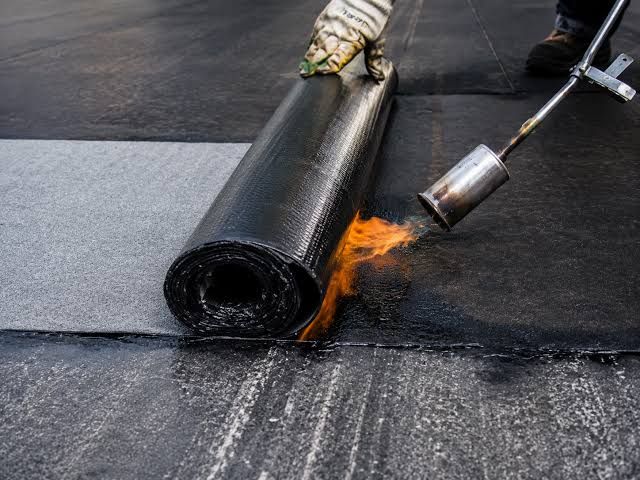 02
02
Asphalt-based sheets modified for added flexibility and strength, commonly used on low-slope roofs and detail-heavy areas.
EXPLORE MODIFIED BITUMEN ROOFING →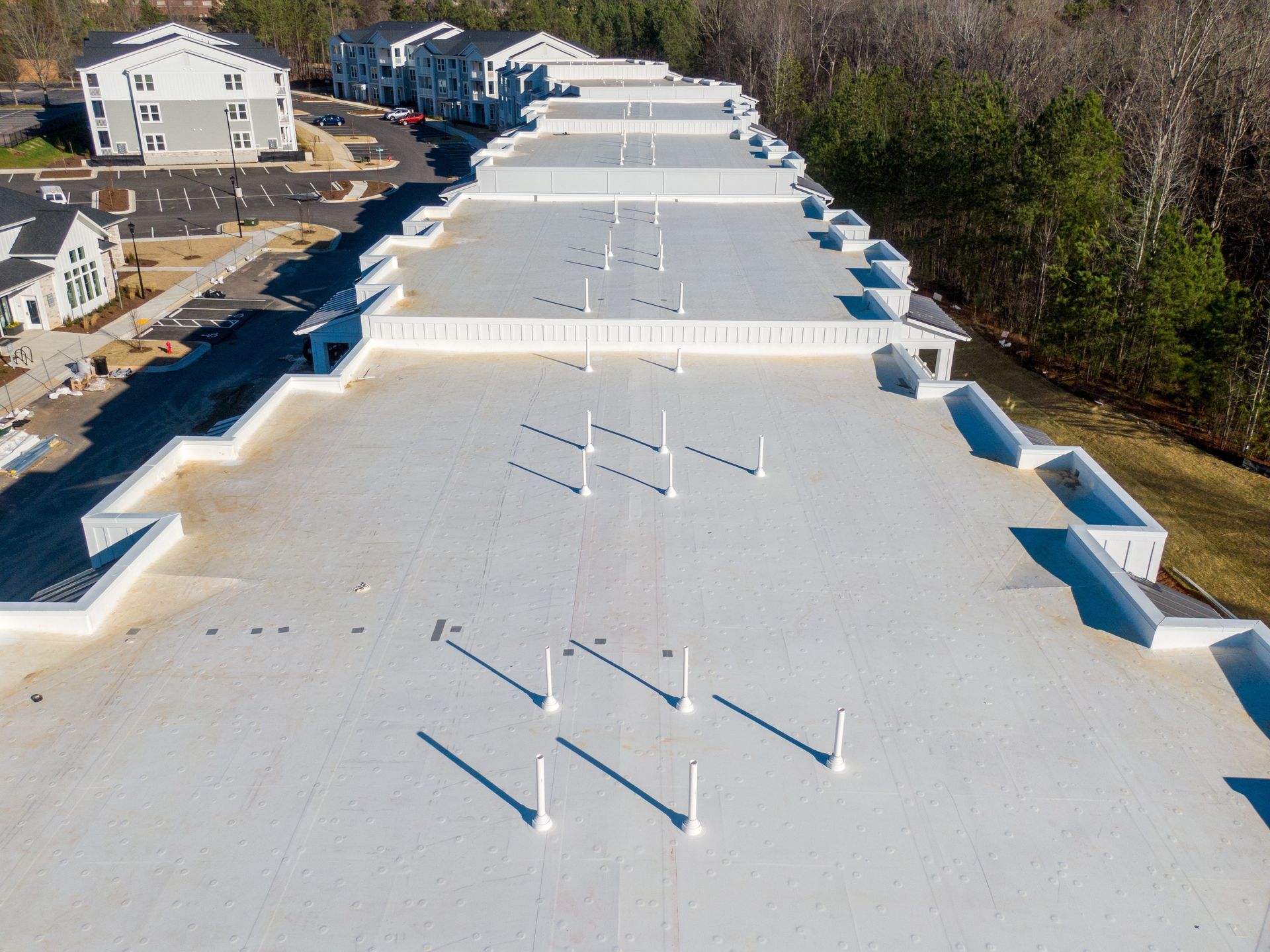 03
03
Reflective thermoplastic single-ply membrane with heat-welded seams for commercial low-slope roof assemblies.
EXPLORE TPO ROOFING →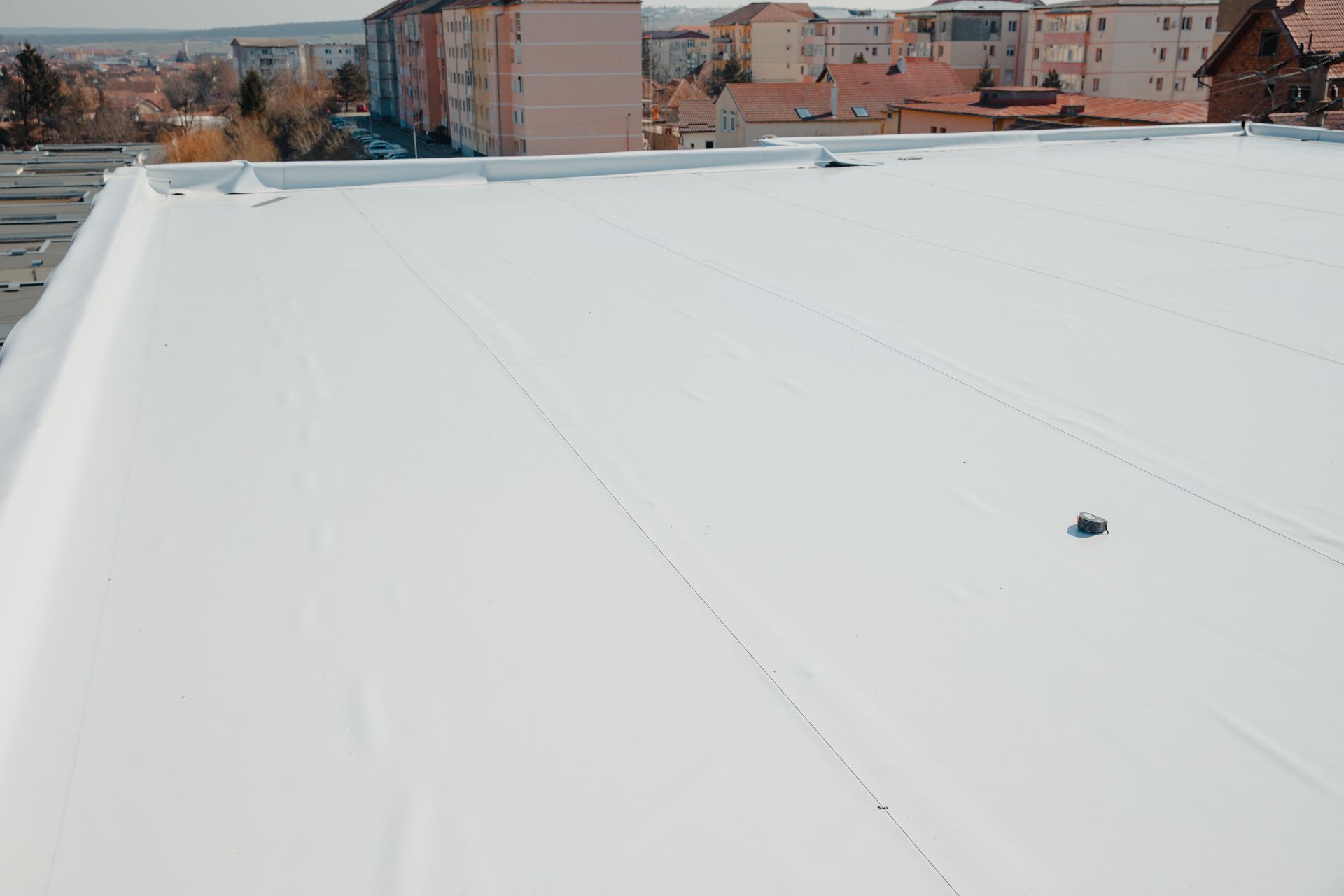 04
04
Heat-welded thermoplastic membrane valued for chemical resistance and durable seam construction on qualifying facilities.
EXPLORE PVC ROOFING →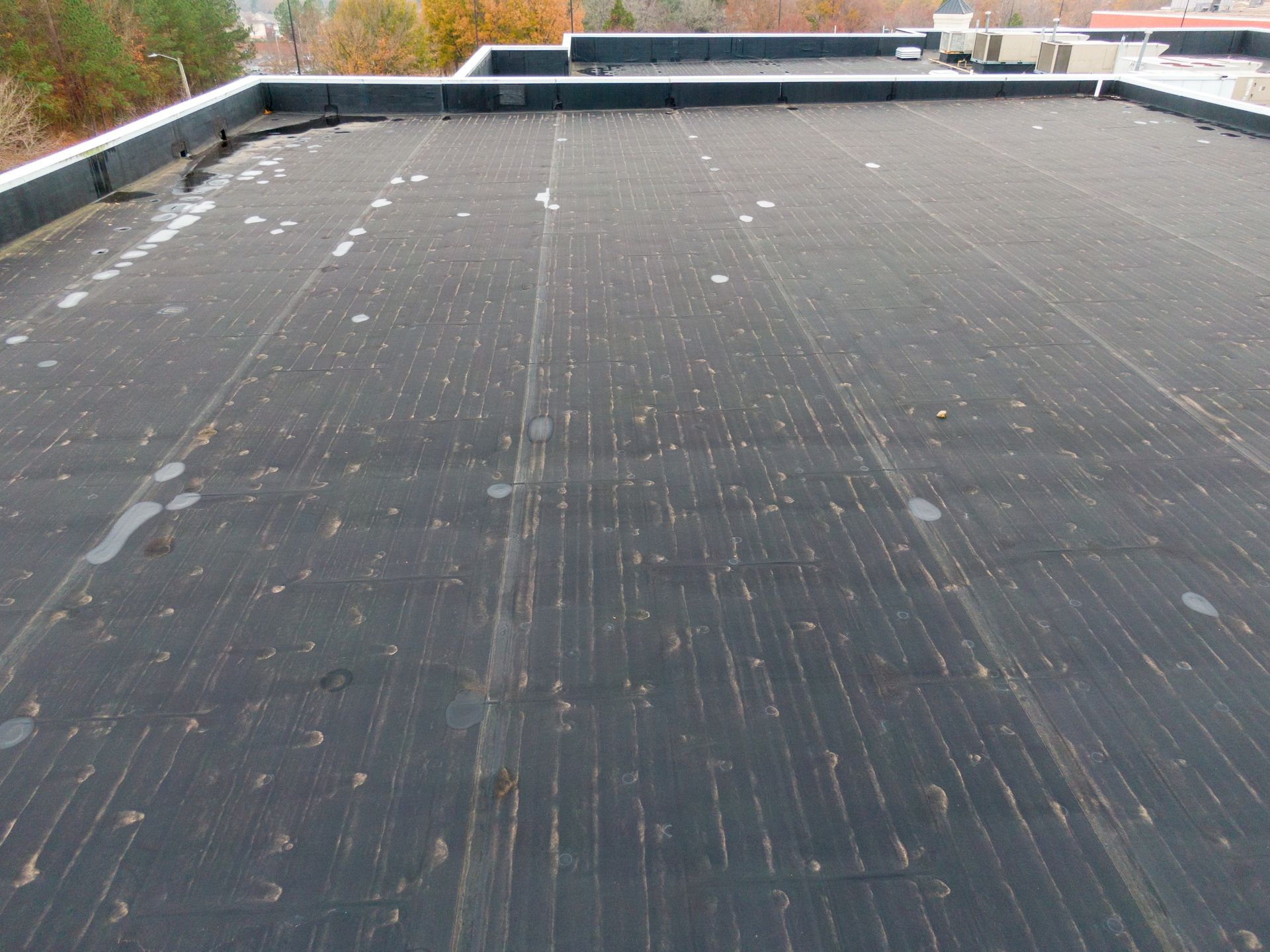 05
05
Flexible synthetic rubber membrane with a long commercial roofing history and strong weathering characteristics.
EXPLORE EPDM ROOFING →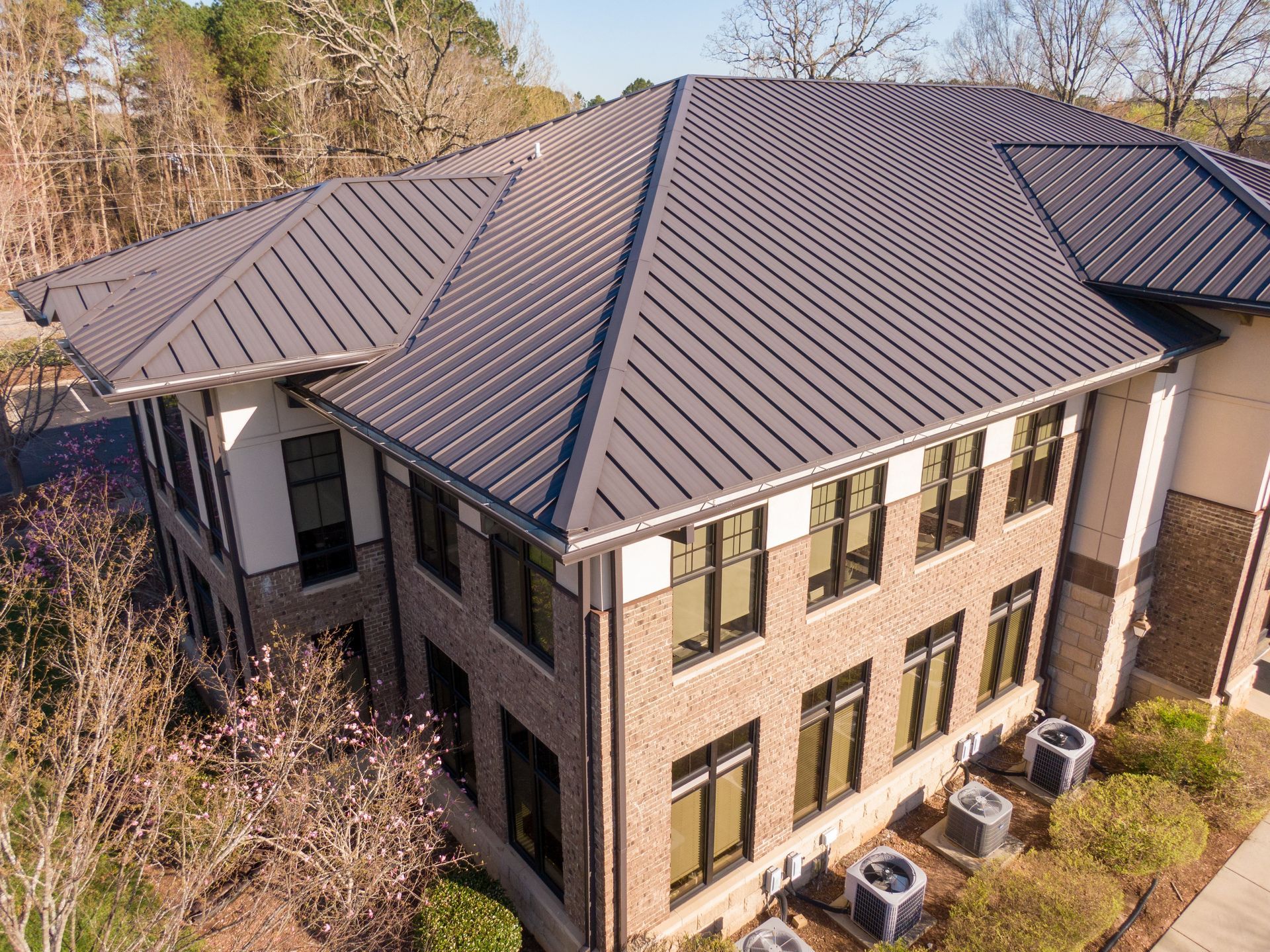 06
06
Standing seam and other commercial metal systems for buildings that need durability, long-term performance and architectural impact.
EXPLORE METAL ROOFING →A new membrane cannot correct every underlying issue. Drainage, wet insulation, failing deck areas, poorly detailed penetrations and movement at transitions all need to be considered before the roof covering is selected.

Low-slope and steep-slope roofs manage water differently, and the system must match the roof geometry.
Current layers, deck, insulation and moisture can limit or reshape replacement options.
Drains, scuppers, gutters and ponding areas should be part of the system decision, not an afterthought.
Curbs, walls, penetrations and rooftop equipment can make certain systems or installation methods more practical.
Initial cost should be compared with maintenance expectations, disruption and anticipated replacement timing.
Warehouses, offices, retail and specialized facilities can create different thermal, chemical and operational requirements.
Two buildings can both have “TPO roofs” and perform very differently because thickness, attachment, insulation, cover board, weld quality, drainage and transition details are not the same.
Ameristar Roofing can evaluate the commercial roof and compare system options around the property’s actual conditions instead of forcing a default material.
(770) 831-1770