TPO
A thermoplastic single-ply membrane commonly recognized by its light-colored reflective surface and heat-welded seams. Suitability depends on the residential roof design and manufacturer requirements.
Ameristar Roofing evaluates and services low-slope residential roof areas in Atlanta, including membrane systems on modern homes, additions, porches and other roof sections where conventional shingles are not the right answer.
Low-slope roof areas show up on modern homes, additions, porches, rear extensions, garages, balconies and architectural transitions where a standard steep-slope shingle assembly is not the right solution.
These roofs manage water differently. Because drainage is slower, seams, penetrations, edge details, substrate conditions and positive drainage become more important. The system must be selected around the actual slope and roof configuration.
Ameristar's experience includes pitched and low-slope roofing. On residential properties, that allows the roof to be treated as one building even when different roof areas require different materials.
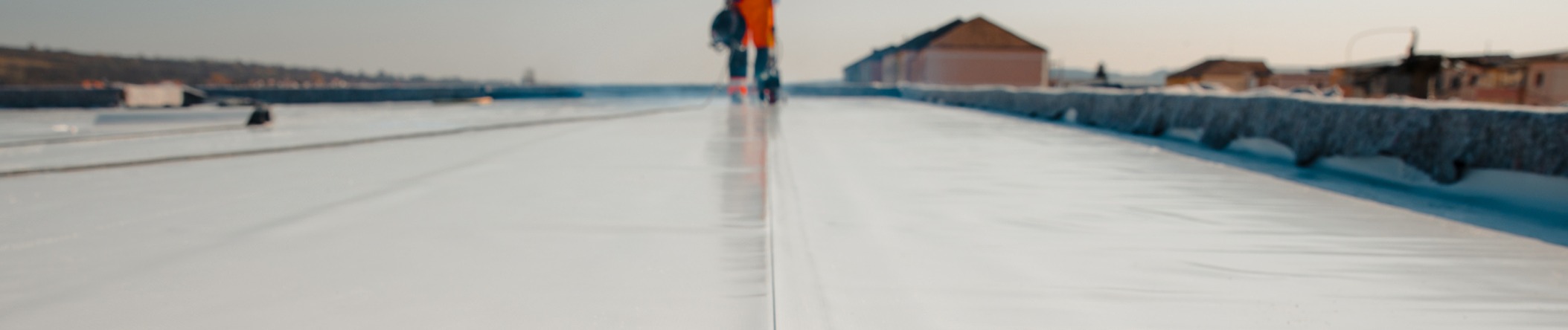
A thermoplastic single-ply membrane commonly recognized by its light-colored reflective surface and heat-welded seams. Suitability depends on the residential roof design and manufacturer requirements.
A flexible rubber membrane with a long low-slope roofing history. Seam, attachment, edge and penetration details remain critical to performance.
Asphalt-based membrane systems can be appropriate for certain low-slope residential applications depending on roof configuration, substrate and installation method.
Roof geometry should move water toward the intended drainage points and minimize unnecessary ponding.
Heat-welded, taped or otherwise assembled seams must match the membrane system and be executed consistently.
Vents, pipes, curbs and transitions are common leak paths and need system-specific flashing details.
Roof perimeters, termination bars, metal edges and transitions have to resist both water and wind forces.
Deck, cover board, insulation and existing roofing conditions affect attachment and long-term membrane performance.
Repairs require materials and methods that are compatible with the existing membrane rather than improvised products that may not bond correctly.
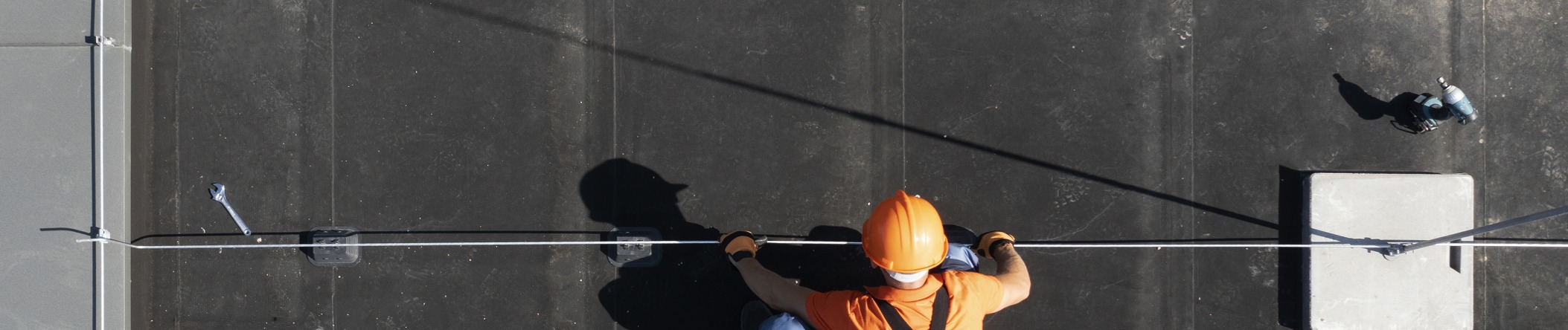
Repair strategy depends on the existing system. TPO, EPDM and asphalt-based membranes do not use the same repair chemistry or seam methods.
Review slope, membrane, seams, drainage, penetrations, edges and leak history.
Determine whether the issue is localized, drainage-related or part of broader system deterioration.
Choose repair materials or replacement assembly appropriate to the home and roof configuration.
Address compatible deck, insulation, cover-board and surface preparation requirements.
Complete membrane, seam, penetration, edge and drainage details to the specified system.
Inspect completed details and identify any future maintenance considerations.

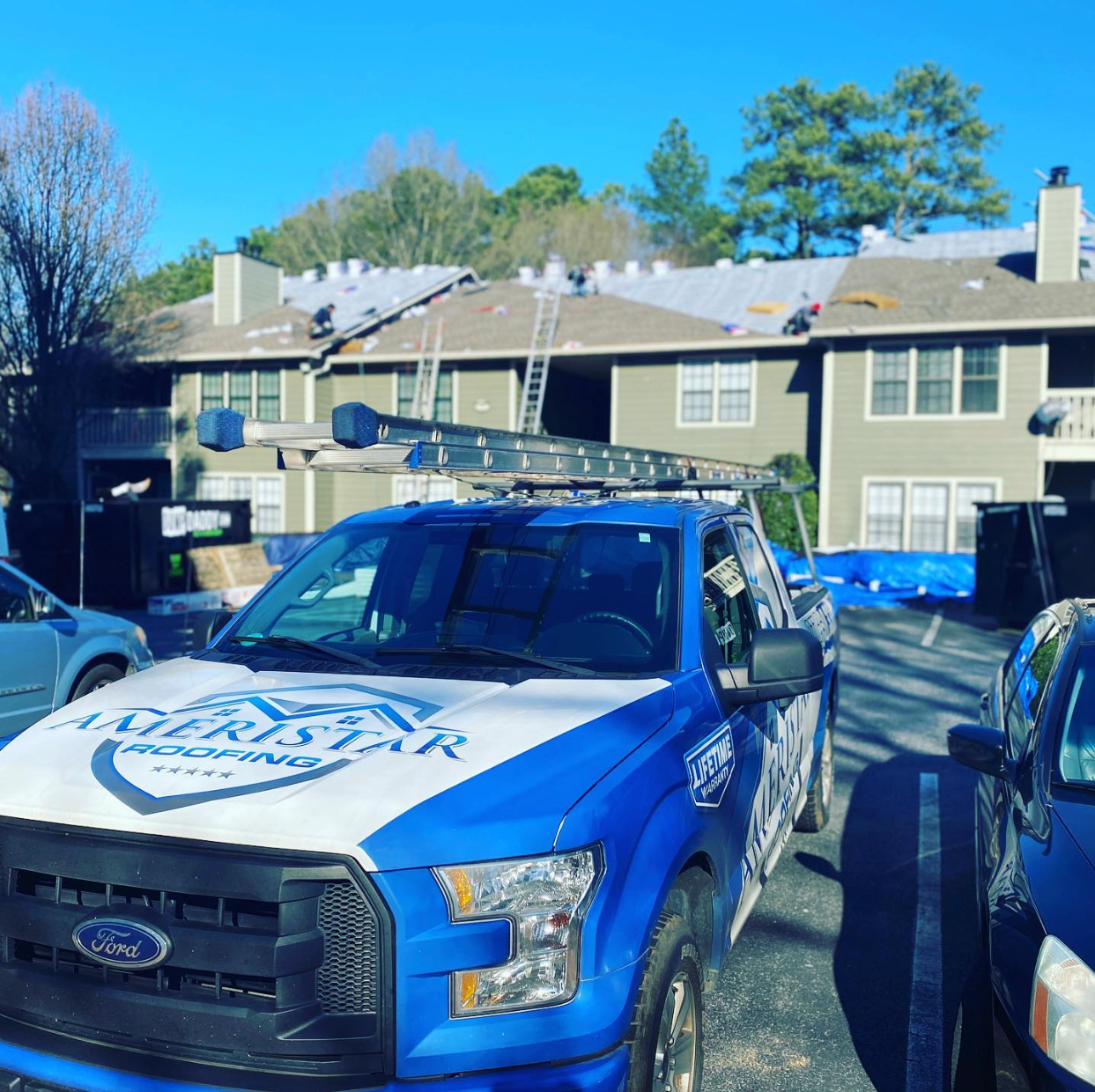


Ameristar Roofing is currently listed by GAF as a Master Elite® residential contractor, a President's Club award recipient and a GAF Certified™ Commercial Contractor. That combination matters on multi-family and HOA properties where steep-slope residential-style roofs and low-slope commercial systems can exist in the same community.
VERIFY AMERISTAR WITH GAF →Have Ameristar identify the existing system, drainage conditions and failure points before deciding whether the roof needs repair or replacement.
(770) 831-1770