01
COMMERCIAL ROOF INSPECTIONS
Roof areas, membrane or metal conditions, penetrations, flashings and drainage are reviewed so the next step starts with documented conditions.
ROOF INSPECTIONS →Ameristar Roofing helps Atlanta building owners and property teams diagnose roof problems, plan repairs or replacement and select commercial roofing systems around the building’s actual use, slope, drainage and operating constraints.
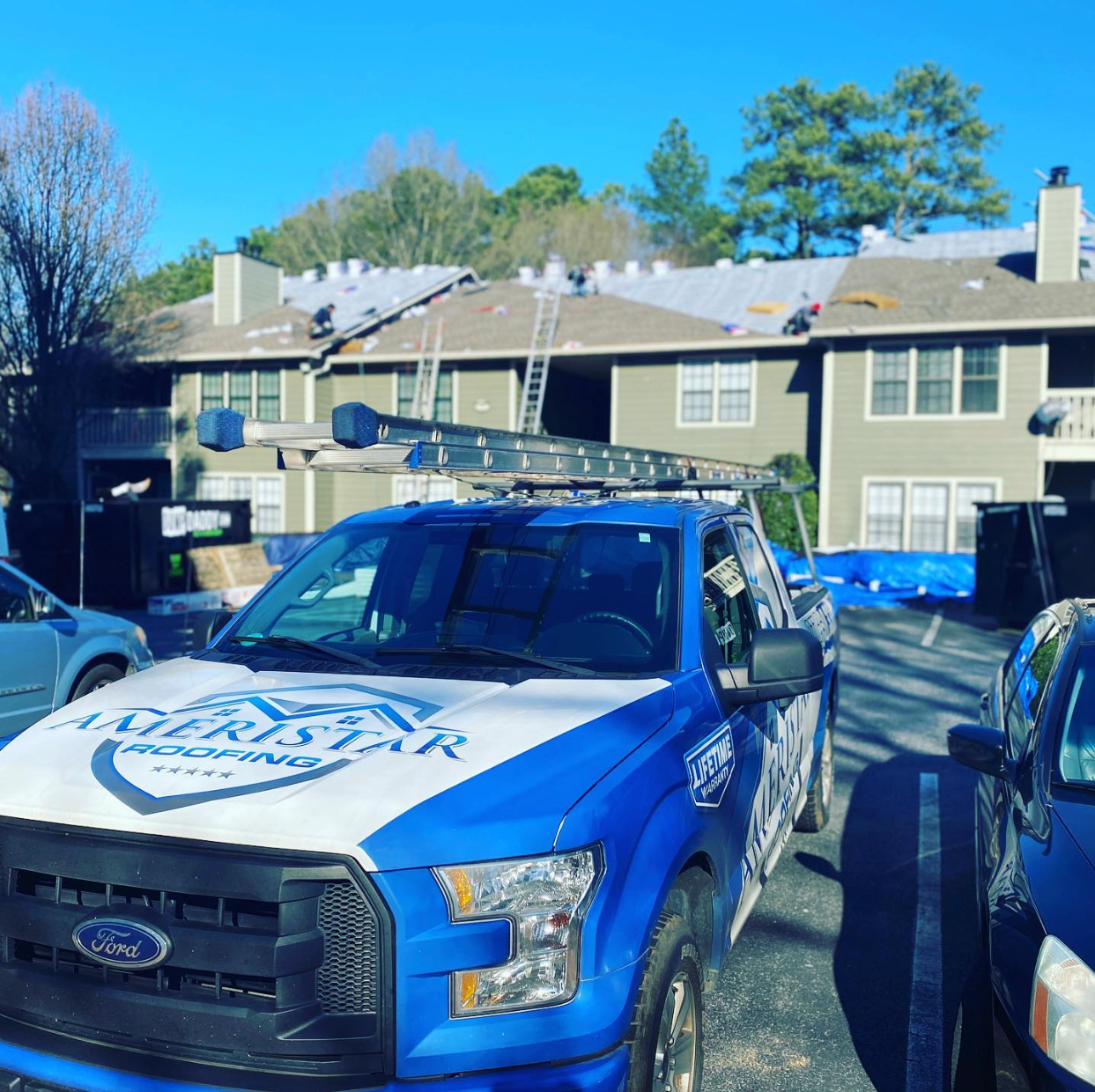
A capable commercial roofing contractor should be able to inspect and document roof conditions, diagnose leaks, repair localized failures, plan replacement, coordinate drainage and recommend a roof system that fits the building rather than forcing every property into the same assembly.
Commercial roofing decisions are shaped by more than membrane type. Building use, roof access, rooftop equipment, drainage, penetrations, deck conditions, insulation, tenant operations and future maintenance all affect the scope.
Ameristar Roofing works with owners, facility teams and property managers to define the roofing problem first. That may lead to a targeted repair, replacement of a failing section, complete re-roofing, drainage corrections or a system change when the existing assembly no longer fits the building.
The practical goal is simple: create a roof plan that protects the building while controlling disruption, defining responsibilities and reducing the chance that obvious details become tomorrow’s service calls.

Roof areas, membrane or metal conditions, penetrations, flashings and drainage are reviewed so the next step starts with documented conditions.
ROOF INSPECTIONS →Leaks and localized failures are diagnosed around seams, penetrations, flashings, metal details and drainage conditions.
COMMERCIAL ROOF REPAIR →Replacement planning addresses the existing assembly, tear-off requirements, insulation, drainage, roof access and operational constraints.
COMMERCIAL ROOF REPLACEMENT →Gutters, downspouts, scuppers, internal drains and drainage paths are evaluated as part of the overall water-management strategy.
COMMERCIAL DRAINAGE →Compare built-up, modified bitumen, TPO, PVC, EPDM and metal roofing based on the building, slope and lifecycle objectives.
COMMERCIAL ROOF SYSTEMS →Access, deliveries, staging, tenant impact, rooftop equipment and sequencing are coordinated before a large repair or replacement begins.
A commercial roof system should be selected around roof slope, existing assembly, deck, drainage, penetrations, energy goals and maintenance strategy. Picking by brochure color is, tragically, not engineering.
 01
01
Multi-ply asphalt and reinforcing layers used on low-slope commercial roofs where redundancy and proven performance matter.
EXPLORE BUILT-UP ROOFING →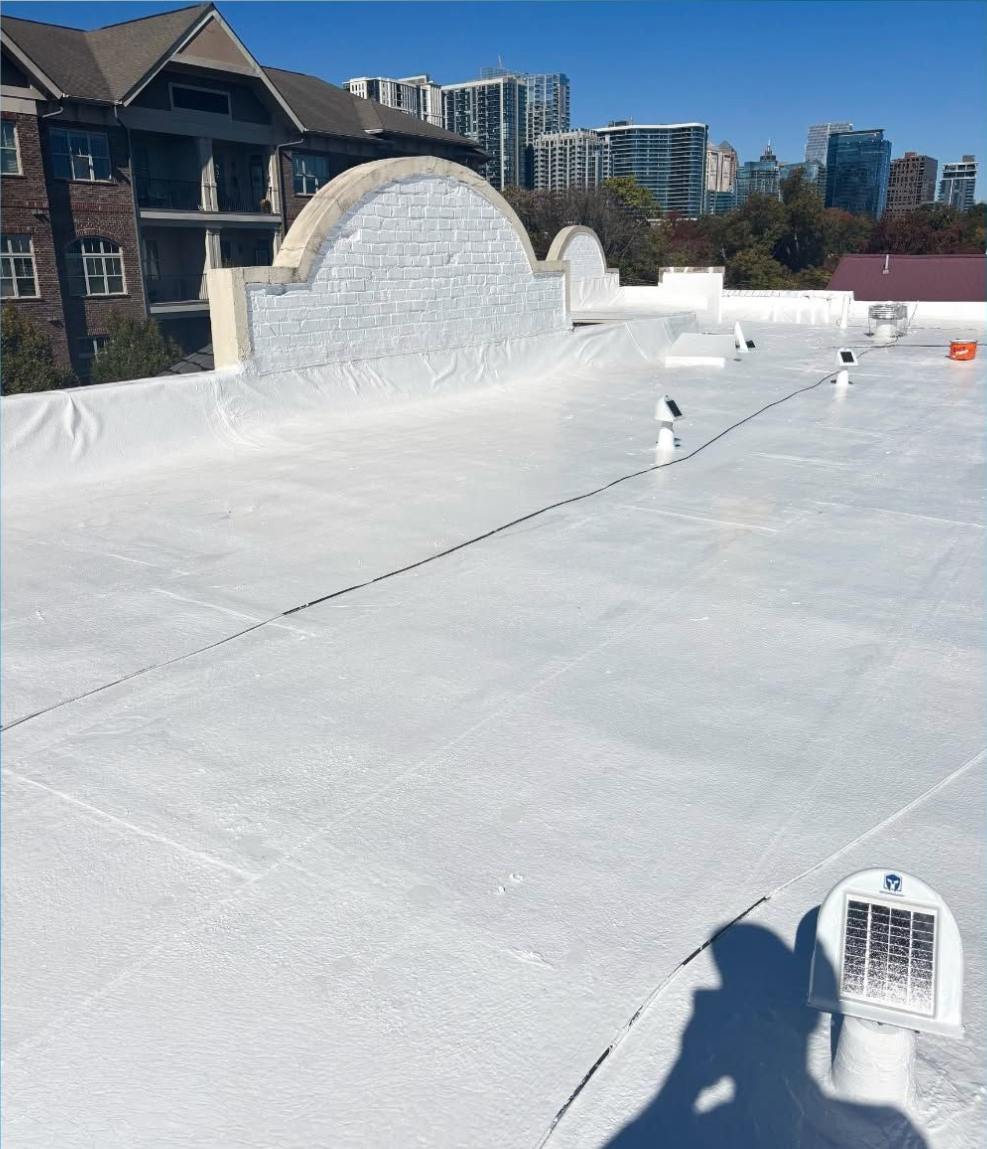 02
02
Asphalt-based sheets modified for added flexibility and strength, commonly used on low-slope roofs and detail-heavy areas.
EXPLORE MODIFIED BITUMEN ROOFING → 03
03
Reflective thermoplastic single-ply membrane with heat-welded seams for commercial low-slope roof assemblies.
EXPLORE TPO ROOFING → 04
Heat-welded thermoplastic membrane valued for chemical resistance and durable seam construction on qualifying facilities.
EXPLORE PVC ROOFING →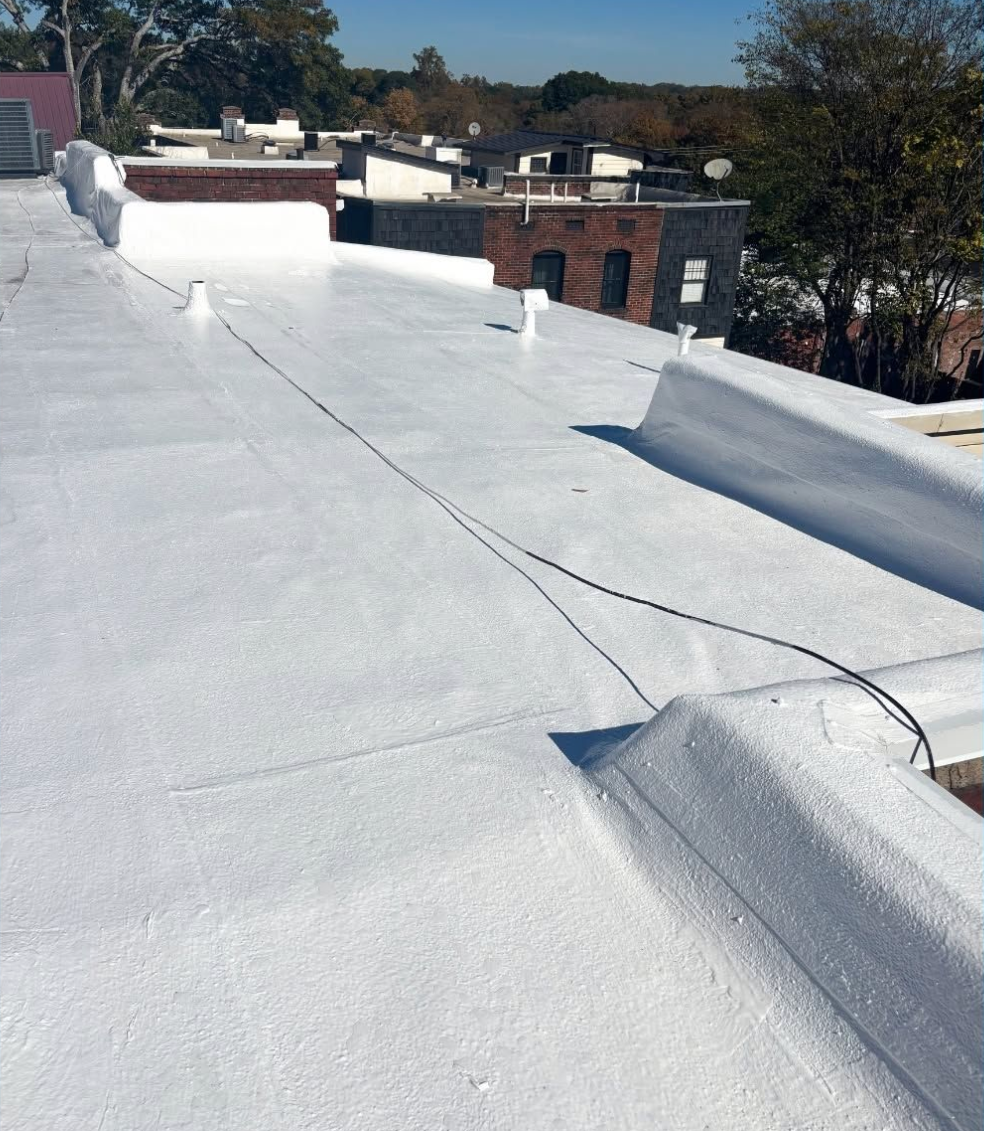 05
05
Flexible synthetic rubber membrane with a long commercial roofing history and strong weathering characteristics.
EXPLORE EPDM ROOFING →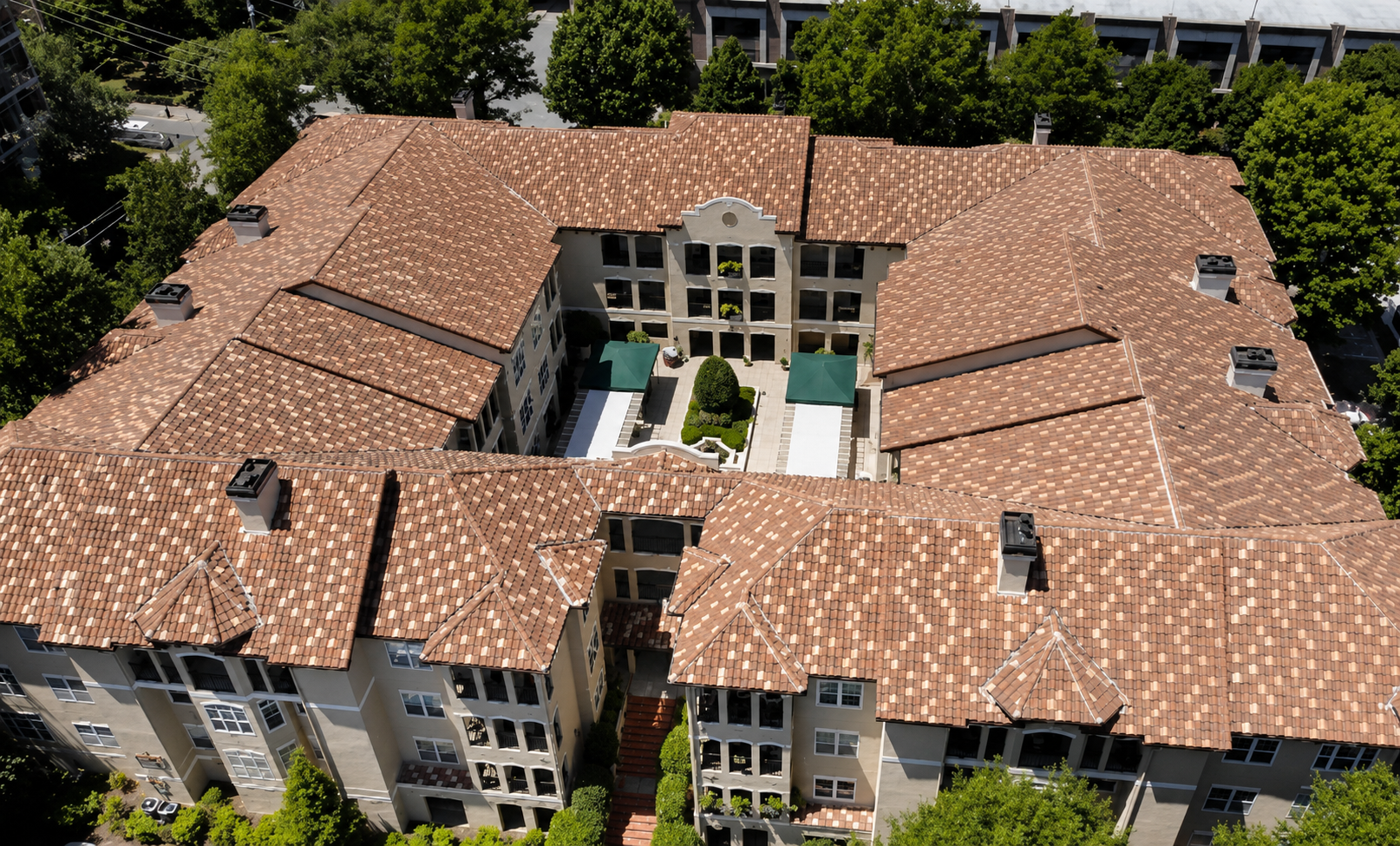 06
06
Standing seam and other commercial metal systems for buildings that need durability, long-term performance and architectural impact.
EXPLORE METAL ROOFING →Roofing work planned around employees, visitors, rooftop equipment and normal business access.
Sequencing and site controls that account for customers, tenants, deliveries and pedestrian areas.
Large low-slope roof areas, penetrations and drainage systems evaluated as part of the roof assembly.
Steep- and low-slope roofing scopes coordinated around occupied facilities, events and access limitations.
Commercial roofing can affect parking, loading, entrances, tenant operations, rooftop equipment and interior spaces. Planning those interfaces matters almost as much as the membrane itself.
Visible roof conditions, problem areas, drainage and critical details are reviewed.
Findings are organized so ownership or management can understand what is driving the recommendation.
Repair, replacement and system alternatives are defined around the existing assembly and building use.
Access, staging, deliveries, weather and operating constraints are built into project sequencing.
The approved scope is completed with attention to seams, flashings, penetrations and drainage.
Final review, cleanup and applicable project documentation complete the roofing work.
Ameristar Roofing can inspect the roof, document visible conditions and develop the repair, replacement or drainage scope around the property you actually operate.
(770) 831-1770