ROOF ISSUE 01
MISSING SHINGLES
Wind can loosen or remove shingles and expose the roofing beneath them.
Roof problems do not always start with water pouring through the ceiling. Damaged materials, failed flashing, drainage problems, storm exposure and installation defects can develop long before the interior shows obvious damage.
Common roofing problems include active leaks, damaged or missing shingles, granule loss, failed flashing, deteriorated pipe boots and penetrations, poor drainage, ponding water, membrane or seam defects, ventilation problems, storm damage and recurring failures caused by aging or improper installation.
Water that gets through the roofing system can eventually reach decking, insulation, framing, ceilings and interior finishes. The frustrating part is that the place where water becomes visible is not necessarily where it entered the roof.
That is why roof diagnosis should look beyond one damaged shingle or one ceiling stain. Flashing, valleys, penetrations, drainage, ventilation, seams, transitions and the condition of surrounding roofing all matter.
Ameristar Roofing evaluates roofing problems across homes, commercial buildings and managed communities throughout Atlanta and surrounding areas before recommending the next construction step.
LEARN ABOUT ROOF INSPECTIONS →
Roof problems can look very different depending on the roofing system and how the failure started. These are some of the most common visible conditions property owners may notice.
Wind can loosen or remove shingles and expose the roofing beneath them.
Impact can bruise shingles, loosen granules and damage metal roofing components.
Failed flashing around walls, valleys and transitions can let water behind the roofing system.
Ceiling stains or active dripping may be the first interior sign of a roofing failure.
Bald or heavily worn shingle areas can indicate aging, deterioration or impact.
Cracked seals and deteriorated pipe boots are common leak points around roof penetrations.
Standing water on low-slope roofs can point to drainage, slope or roof-surface problems.
Visible dips or soft areas can indicate damaged decking, moisture or structural conditions.
Do not try to diagnose the entire roof from one visible symptom. Have the roofing system inspected to determine where the problem started and how far it extends.
Some roof problems are obvious. Others show up as small changes in materials, drainage or interior moisture before a serious failure develops.
Interior stains, wet insulation or attic moisture can point to a roofing failure, but water may travel from the actual entry point before becoming visible.
Wind, impact, aging and installation problems can loosen, crease, crack or remove shingles and expose surrounding roof components to additional weather.
Some granule loss occurs naturally over time. Concentrated or widespread loss can also indicate material wear, impact or deterioration that deserves a closer look.
Chimneys, walls, valleys, roof edges and other transitions rely on correctly installed flashing. Failed detailing can allow water behind otherwise serviceable roofing.
Plumbing vents, exhaust vents, skylights, curbs and other roof penetrations create interruption points where aging seals, flashing or installation defects can lead to leakage.
Blocked or poorly functioning drainage can keep water where it does not belong and contribute to overflow, fascia damage, roof-edge problems or low-slope ponding.
Visible sagging or soft decking can indicate moisture damage, deteriorated materials or structural conditions that should be evaluated rather than covered with another surface repair.
Low-slope roofs depend on proper drainage. Water that remains after rainfall can signal drain, slope or roof-surface conditions that need attention.
Commercial and low-slope roofs can develop punctures, open seams, flashing failures or damaged membrane areas around rooftop equipment and traffic zones.
Storm damage may include lifted roofing, impact damage, damaged metal components, fallen debris or openings that are difficult to identify safely from the ground.
STORM DAMAGE ROOFING →Poor attic ventilation can contribute to excessive heat, moisture accumulation and condensation conditions that may affect roofing components and the space below.
When one area repeatedly fails, the repair detail may be wrong. When problems keep appearing across different areas, the condition of the overall roofing system deserves attention.
These symptoms are useful clues, not automatic diagnoses. A roof inspection connects the visible condition to the actual roofing component that is failing.
The inspection has to match the roofing system. A shingle roof and a commercial membrane roof should not be evaluated through the same checklist.
Steep-slope systems depend on water-shedding materials, flashing, valleys, roof edges and properly integrated penetrations.
Low-slope roofs rely heavily on seams, flashings, drainage, penetrations and transitions around rooftop equipment.
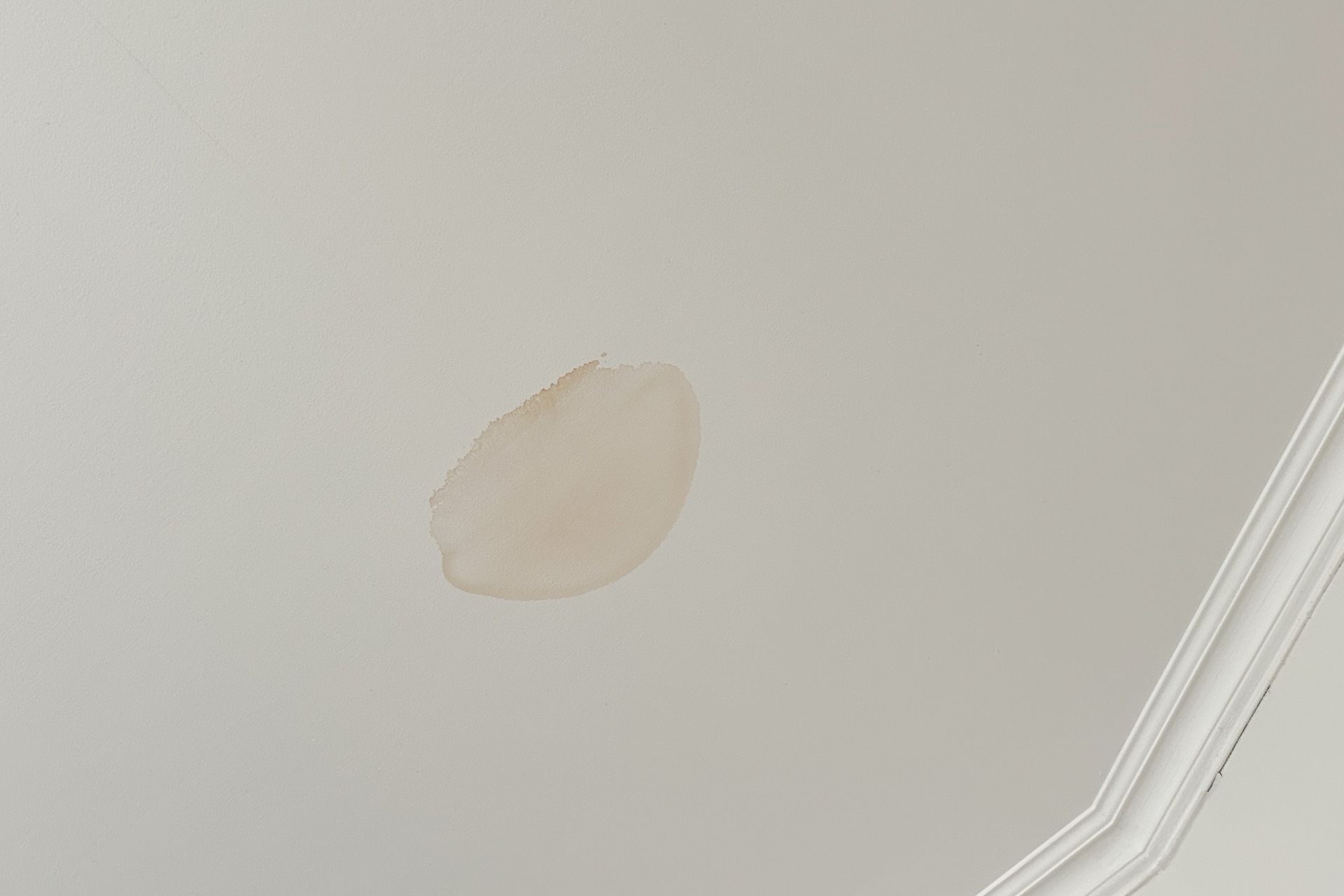
Water does not politely fall straight down from the exact point where the roof failed. It can move along decking, framing, insulation and other building components before it becomes visible inside.
That makes surface patching dangerous as a diagnostic strategy. The repair may temporarily hide the symptom while the actual failure continues somewhere nearby.
A proper roof evaluation considers the reported symptom, surrounding materials, flashing, penetrations, drainage, previous repairs and the overall condition of the roofing system.
SCHEDULE A ROOF INSPECTION →Finding a roofing problem does not automatically mean the entire roof needs replacement. The extent of the failure and condition of the surrounding roof should drive the recommendation.
Some conditions are not active failures and may simply need documentation and periodic review as part of normal roof maintenance.
ROOF INSPECTIONS →Repair may make sense when the problem is localized, the source can be identified and the surrounding roofing remains serviceable enough for the repair to provide useful life.
ROOF REPAIR →Replacement may become the stronger long-term option when failures are widespread, repairs keep multiplying or the surrounding roofing system no longer supports another worthwhile localized repair.
ROOF REPLACEMENT →Stay off damaged, wet or storm-affected roofing. Protect people and the interior first, then have the roof professionally evaluated.
The goal is not simply to find something that looks damaged. It is to understand what failed, how far the problem extends and what construction work actually makes sense.
Tell us what you are seeing, where it appears and when the problem started.
Accessible roofing areas and likely failure points are evaluated along with surrounding conditions.
The visible symptoms are connected to the roofing components and conditions contributing to the failure.
Ameristar explains whether monitoring, repair or broader replacement makes sense based on the roof itself.
Use the roofing condition, property type and extent of the problem to move into the service or resource that actually matches what you need.
There is no single cause. Leaks can originate at damaged roofing materials, flashing, valleys, penetrations, walls, roof transitions, drainage areas or underlayment. The visible interior stain may also be some distance from the actual roof failure.
No. Localized leaks can often be repaired when the source can be identified and the surrounding roofing remains serviceable. Widespread failures, recurring leaks or broader deterioration can make replacement the stronger long-term option.
Shingles are only one part of the roof. Flashing, pipe boots, vents, valleys, walls, underlayment and roof transitions can allow water to enter even when the main shingle field appears normal from the ground.
Some granule loss is normal as asphalt shingles weather. Heavy, concentrated or unusual granule loss can justify a closer inspection, particularly when accompanied by damaged shingles, exposed areas or recent severe weather.
Low-slope roofs are designed around controlled drainage. Water that remains for an extended period after rainfall can indicate blocked drains, inadequate slope, deformation or other drainage conditions that deserve evaluation.
Protect people and the interior first. Move belongings away from active water when it is safe, use containers for drips and avoid climbing onto a wet or damaged roof. Arrange a professional inspection as soon as practical.
Yes. Ameristar works with residential, commercial, multi-family and HOA properties and has experience with both pitched and low-slope roofing systems.
Ameristar Roofing evaluates roofing problems for homes, commercial properties and managed communities throughout Atlanta and surrounding areas. Start with the condition of the roof, then build the repair or replacement decision from the facts.