SEAM + MEMBRANE FAILURES
Single-ply seams, laps, cuts or punctures can allow water entry when the surrounding membrane remains otherwise serviceable.
Ameristar Roofing diagnoses commercial roof leaks and localized failures across low-slope and metal roofing systems, then builds the repair scope around the actual failure path and remaining roof condition.
Often, yes, when the failure is localized and the surrounding roof remains serviceable. The important question is not whether a patch is physically possible. It is whether the repair can be integrated correctly and provide enough useful service life to justify the cost.
A commercial roof leak can start at a seam, curb, penetration, flashing transition, drain, scupper, metal joint or damaged roof area and appear inside somewhere else. Water has the irritating habit of ignoring convenient straight lines.
Ameristar Roofing starts by reviewing the reported interior symptom and then inspecting likely roof-side causes and surrounding conditions. The goal is to identify whether the failure is isolated enough for a repair to provide useful service life.
When the surrounding roof is too deteriorated, moisture is widespread or new leaks continue appearing, the better decision may shift from repair to replacement. That conclusion should come from the roof condition, not because replacement produces a larger invoice.
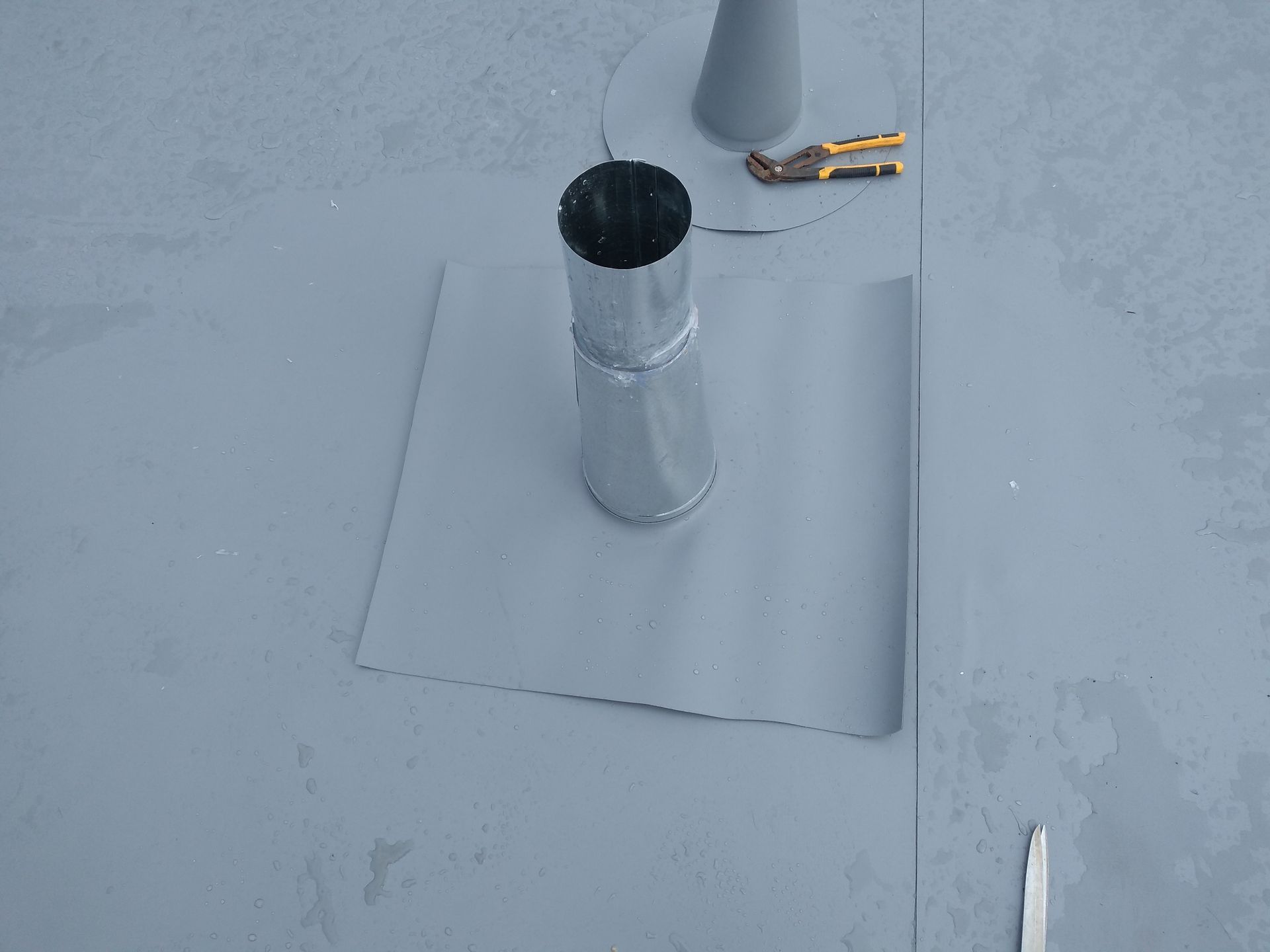
Single-ply seams, laps, cuts or punctures can allow water entry when the surrounding membrane remains otherwise serviceable.
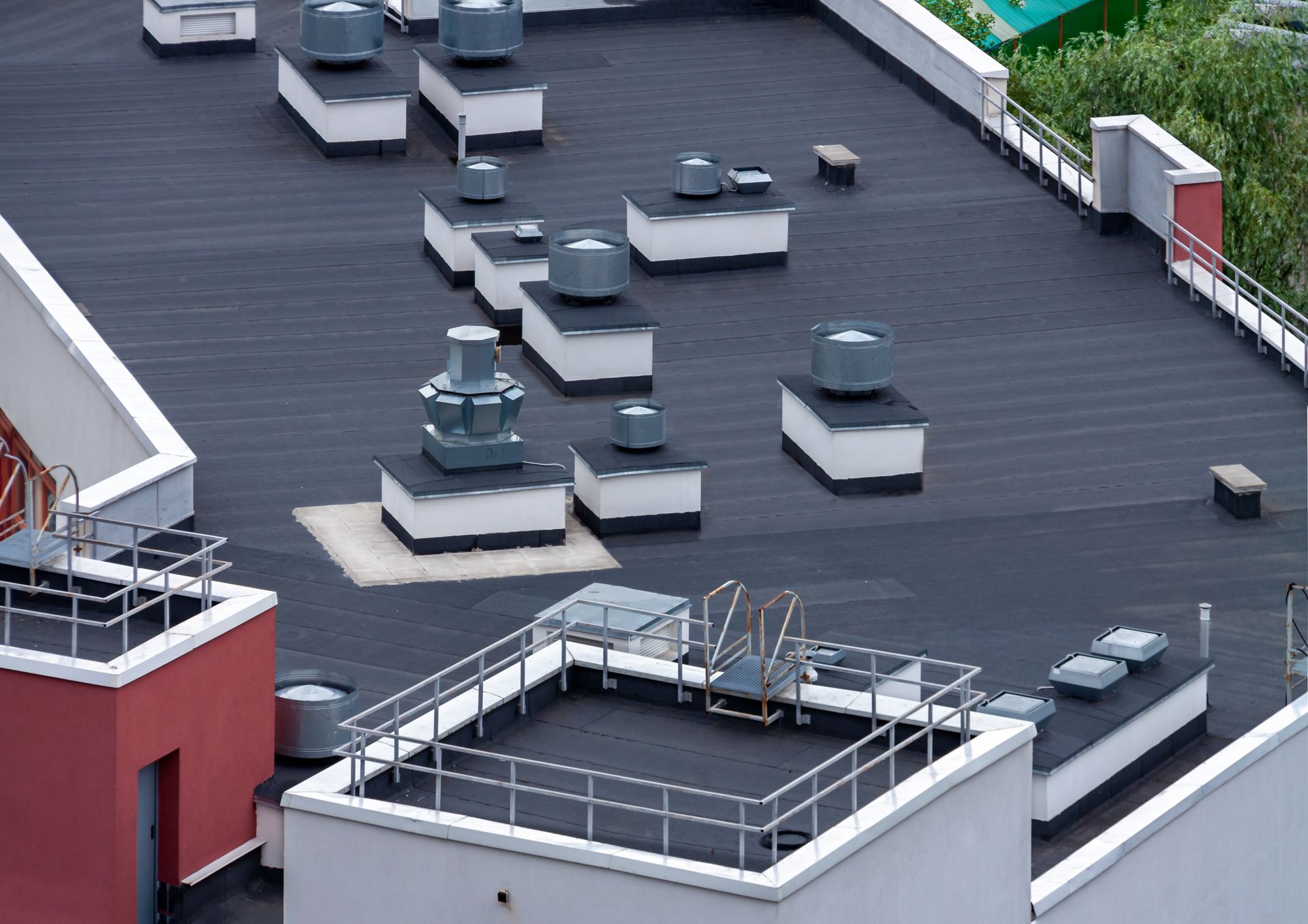
Walls, curbs and equipment transitions are high-risk areas because several materials and movement conditions meet in one detail.
Pipes, conduits, supports and later-added rooftop equipment can create leak paths when flashing is damaged or improvised.
Restricted drains or damaged transitions can hold water on the roof and increase stress around seams and flashings.
Panel movement, fastener issues, sealant failure and poorly detailed transitions can create leaks on commercial metal roofing.
Wind, hail and debris can damage membrane, metal, flashing and rooftop components in obvious or subtle ways.
 01
01
Multi-ply asphalt and reinforcing layers used on low-slope commercial roofs where redundancy and proven performance matter.
EXPLORE BUILT-UP ROOFING →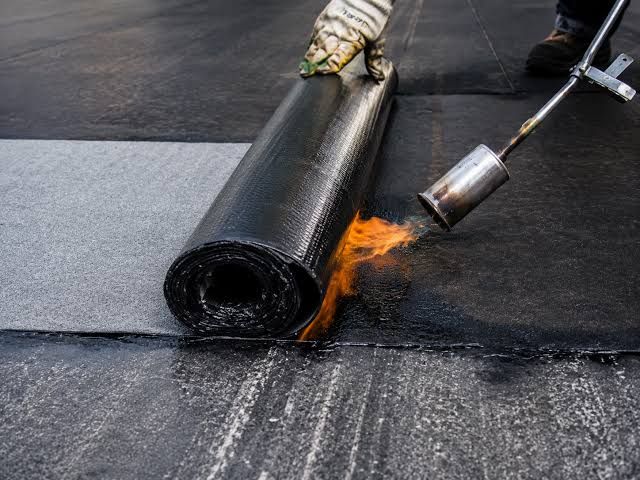 02
02
Asphalt-based sheets modified for added flexibility and strength, commonly used on low-slope roofs and detail-heavy areas.
EXPLORE MODIFIED BITUMEN ROOFING →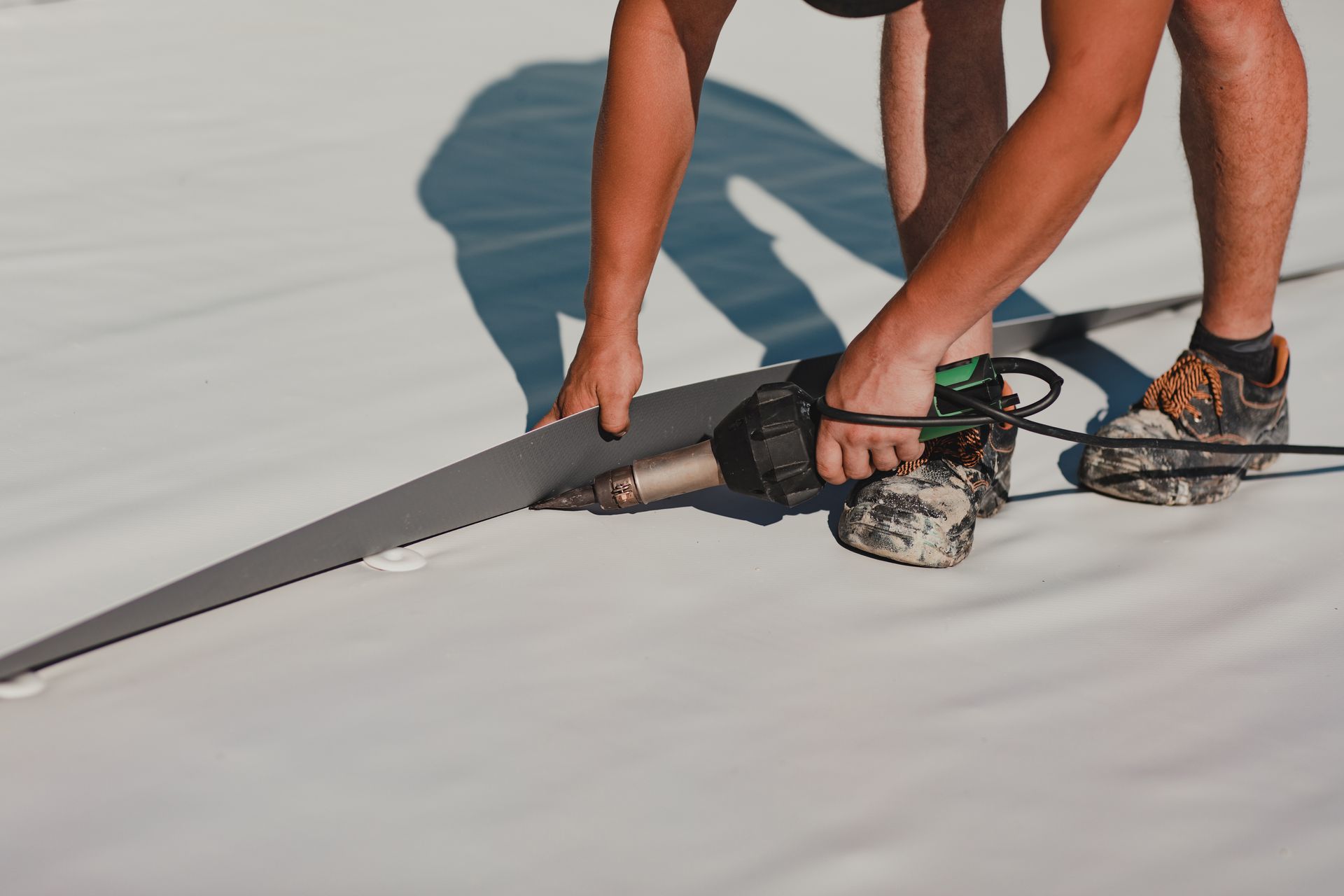 03
03
Reflective thermoplastic single-ply membrane with heat-welded seams for commercial low-slope roof assemblies.
EXPLORE TPO ROOFING →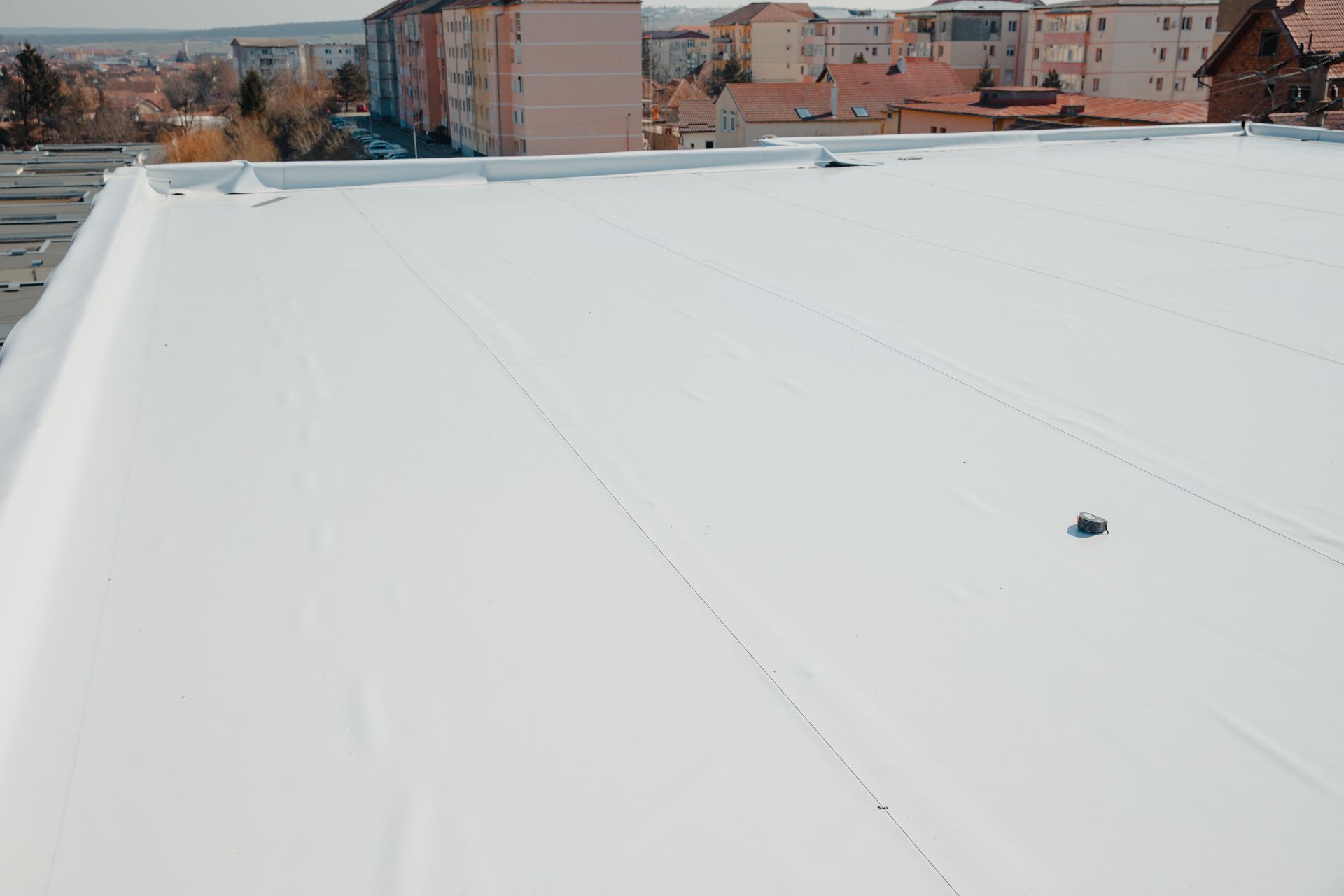 04
04
Heat-welded thermoplastic membrane valued for chemical resistance and durable seam construction on qualifying facilities.
EXPLORE PVC ROOFING →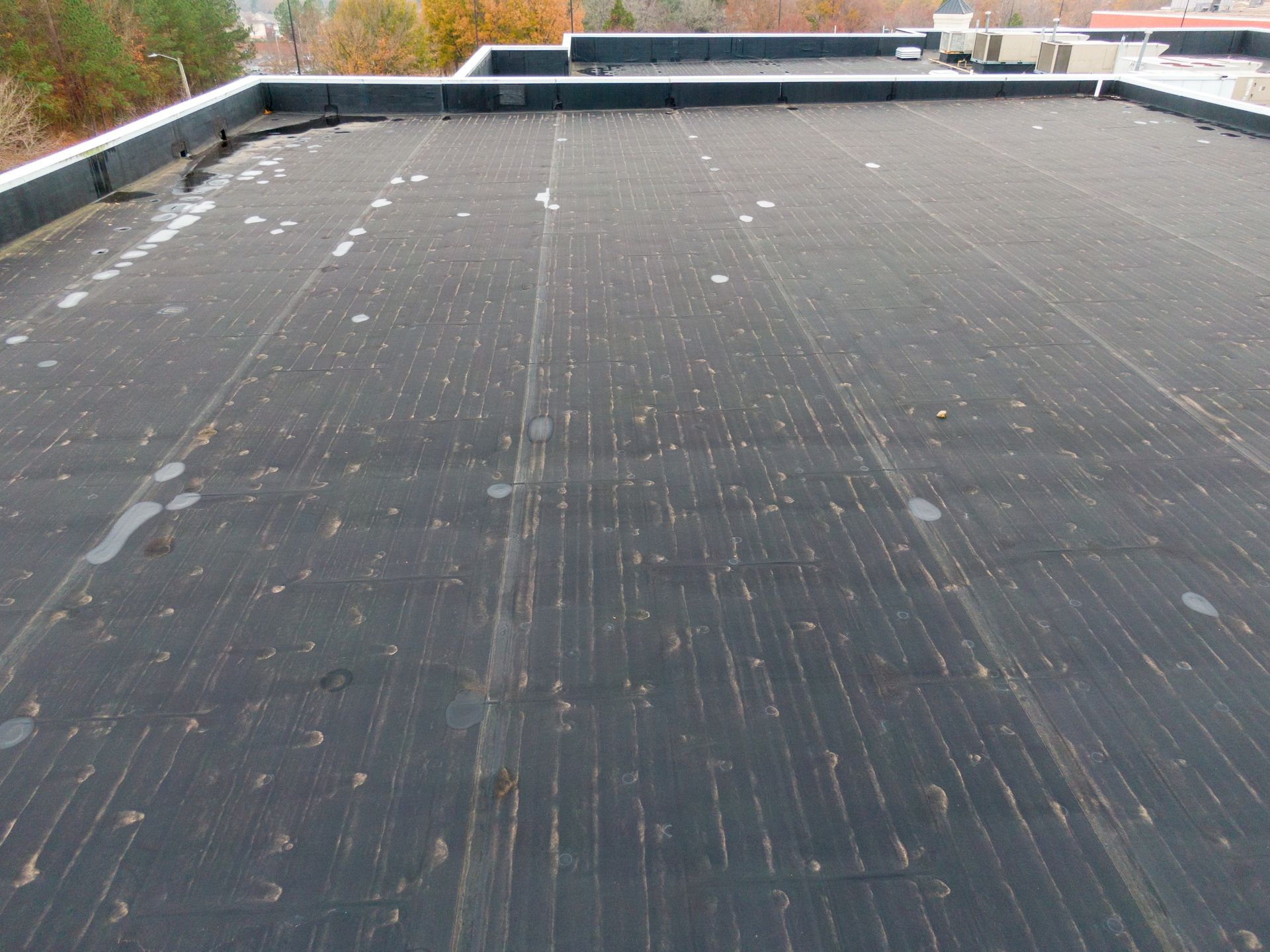 05
05
Flexible synthetic rubber membrane with a long commercial roofing history and strong weathering characteristics.
EXPLORE EPDM ROOFING →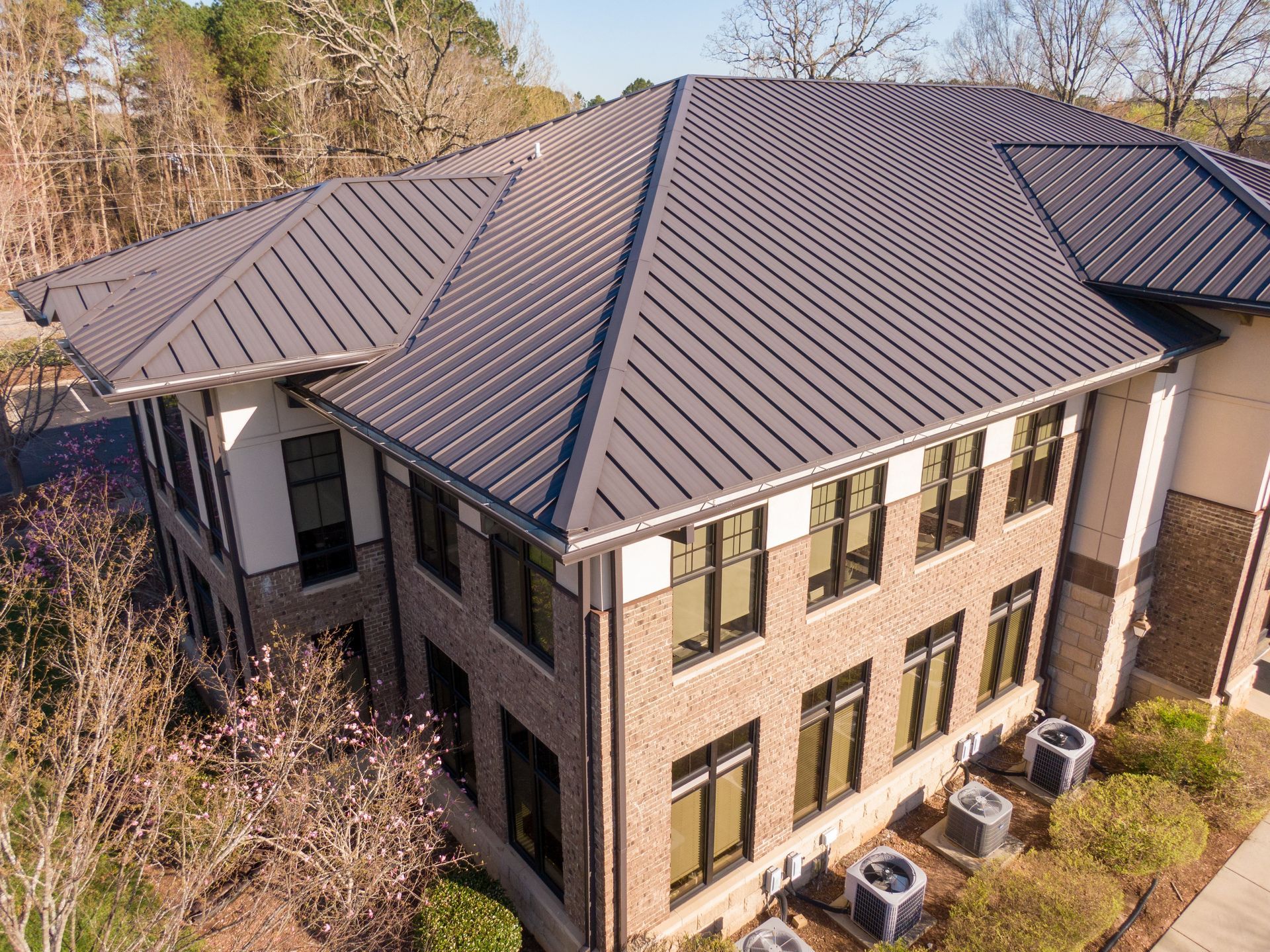 06
06
Standing seam and other commercial metal systems for buildings that need durability, long-term performance and architectural impact.
EXPLORE METAL ROOFING →
Start with the interior symptom, leak history and any known weather or equipment event.
Review likely roof-side causes, surrounding conditions, drainage and prior repair areas.
Separate a localized defect from broader roof deterioration or moisture concerns.
Define the materials, limits and known conditions for the recommended repair.
Complete the approved work using details appropriate for the existing roof system.
Document completed work and note any areas that should be monitored or considered in future capital planning.
Ameristar Roofing can inspect the reported leak area, evaluate the surrounding commercial roof and define whether repair or replacement is the stronger next step.
(770) 831-1770