01
ROOF DECK
The structural deck must be sound and compatible with the selected attachment method and roof assembly.
Modified bitumen roofing combines asphalt with polymer modification and reinforced sheets to create a durable low-slope commercial roof system with multiple application and surfacing options.
Modified bitumen is an asphalt-based low-slope roofing system manufactured in reinforced rolls. SBS and APP are the two major modifier families, and systems may use base sheets, cap sheets and different attachment methods depending on the product. Installation can involve hot asphalt, torch application, cold-process adhesive, mechanical attachment or self-adhered materials where permitted and specified.
Modified bitumen systems can be assembled in different ways, but the recurring idea is redundancy. Deck preparation, insulation, cover board, base layers, cap sheets, laps, flashings and surfacing all influence how the roof handles water, foot traffic and repeated service work.
The structural deck must be sound and compatible with the selected attachment method and roof assembly.
Thermal layers and a stable surface support drainage, attachment and long-term membrane performance.
Some assemblies include a mechanically attached, adhered or asphalt-set base ply beneath the cap sheet.
Reinforced SBS- or APP-modified sheets create the primary waterproofing layers.
Granulated cap sheets or other approved surfacing protect the asphaltic membrane from ultraviolet exposure and traffic.
Transitions and sheet laps must follow the product-specific installation method and temperature requirements.
Modified bitumen is often evaluated for commercial roofs where owners want an asphalt-based assembly with reinforced sheets, multiple plies, durable surfacing and repair methods that are familiar on many existing built-up or modified roofs. It can be useful around frequent rooftop service activity when the assembly is detailed and protected correctly.
| System | Type | Seams / Joints | Standout Advantage | Watch Closely |
|---|---|---|---|---|
| Modified Bitumen | Polymer-modified asphalt sheets | Product-specific laps | Redundancy + durable surfacing | Application method, heat, weight, detailing |
| Built-Up Roofing | Alternating bitumen + reinforcing plies | Hot/cold-applied field plies | Multiple waterproofing layers | Weight, odor/logistics, surfacing, drains |
| TPO | Thermoplastic single-ply | Heat welded | Reflectivity + broad commercial use | Welds, punctures, drainage |
| EPDM | Synthetic rubber single-ply | Tape / adhesive seams | Flexibility + large sheets | Seams, punctures, rooftop traffic |
The right system starts with slope, deck, drainage, rooftop use, exposure, existing materials and ownership goals. These related commercial roof systems solve different problems and should not be treated as interchangeable products.
 01
01
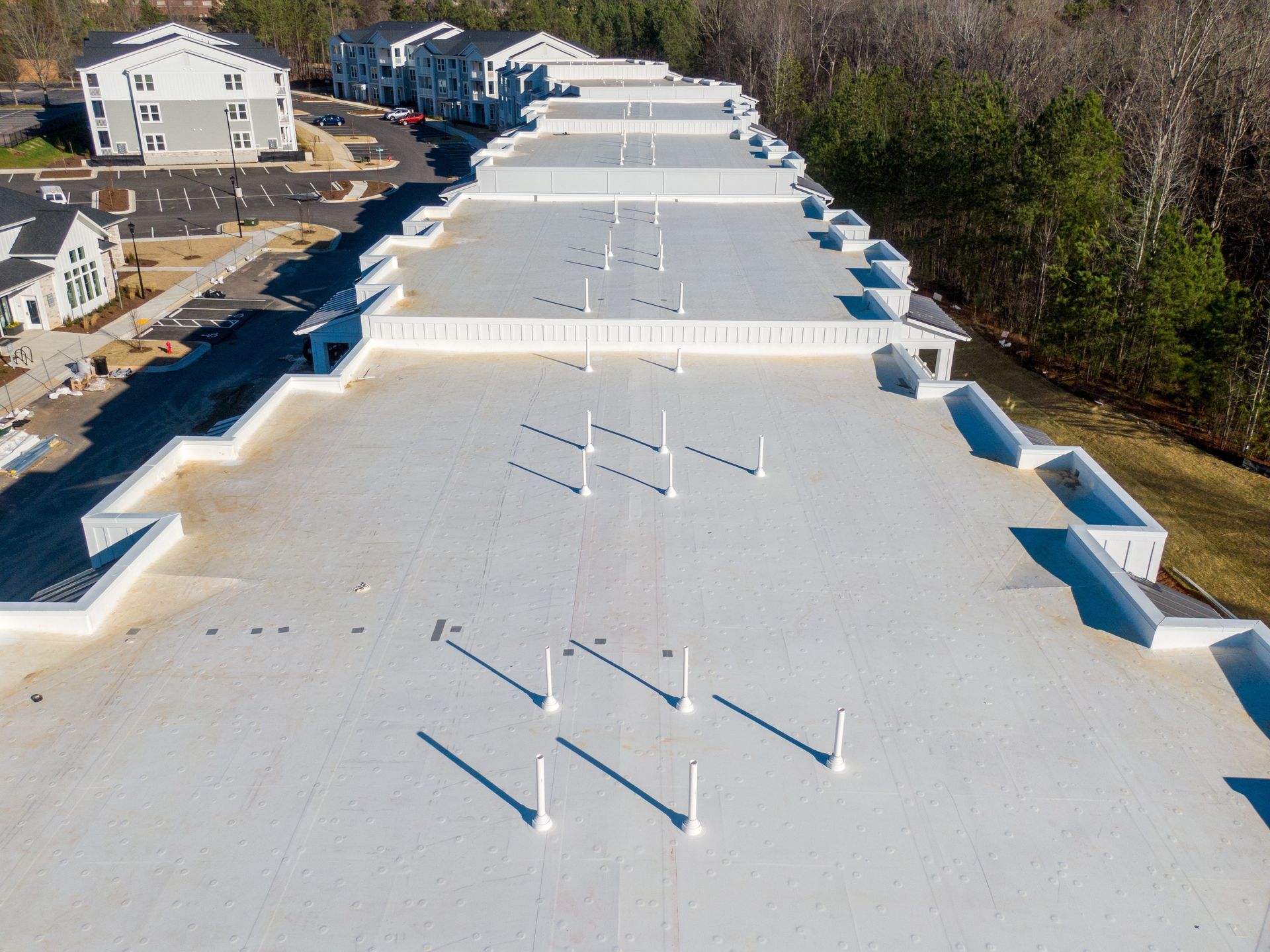
Thermoplastic single-ply with heat-welded seams for low-slope commercial roofs.
EXPLORE TPO ROOFING →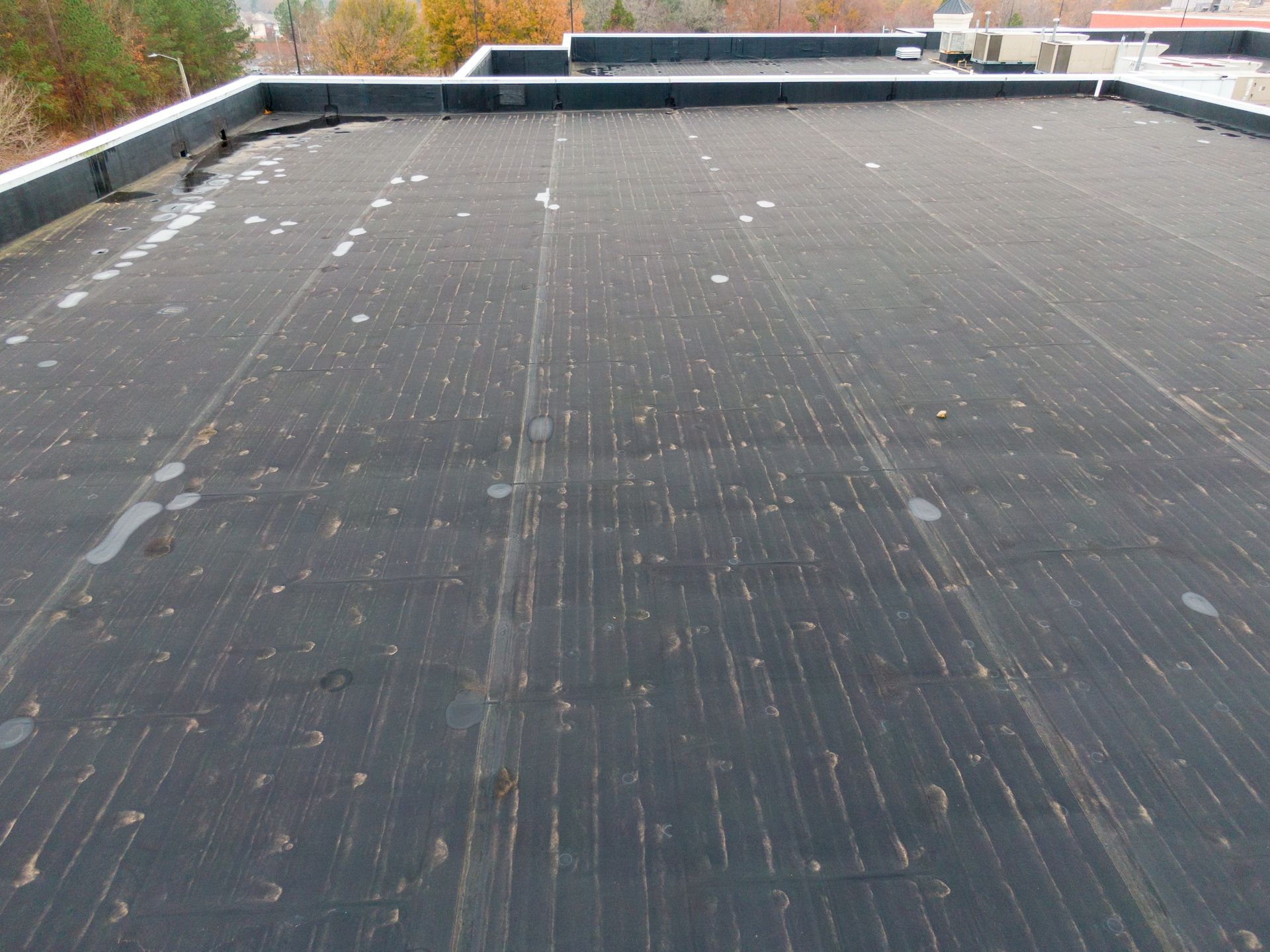 02
02
Synthetic-rubber single-ply roofing with flexible sheets and proven repair methods.
EXPLORE EPDM ROOFING →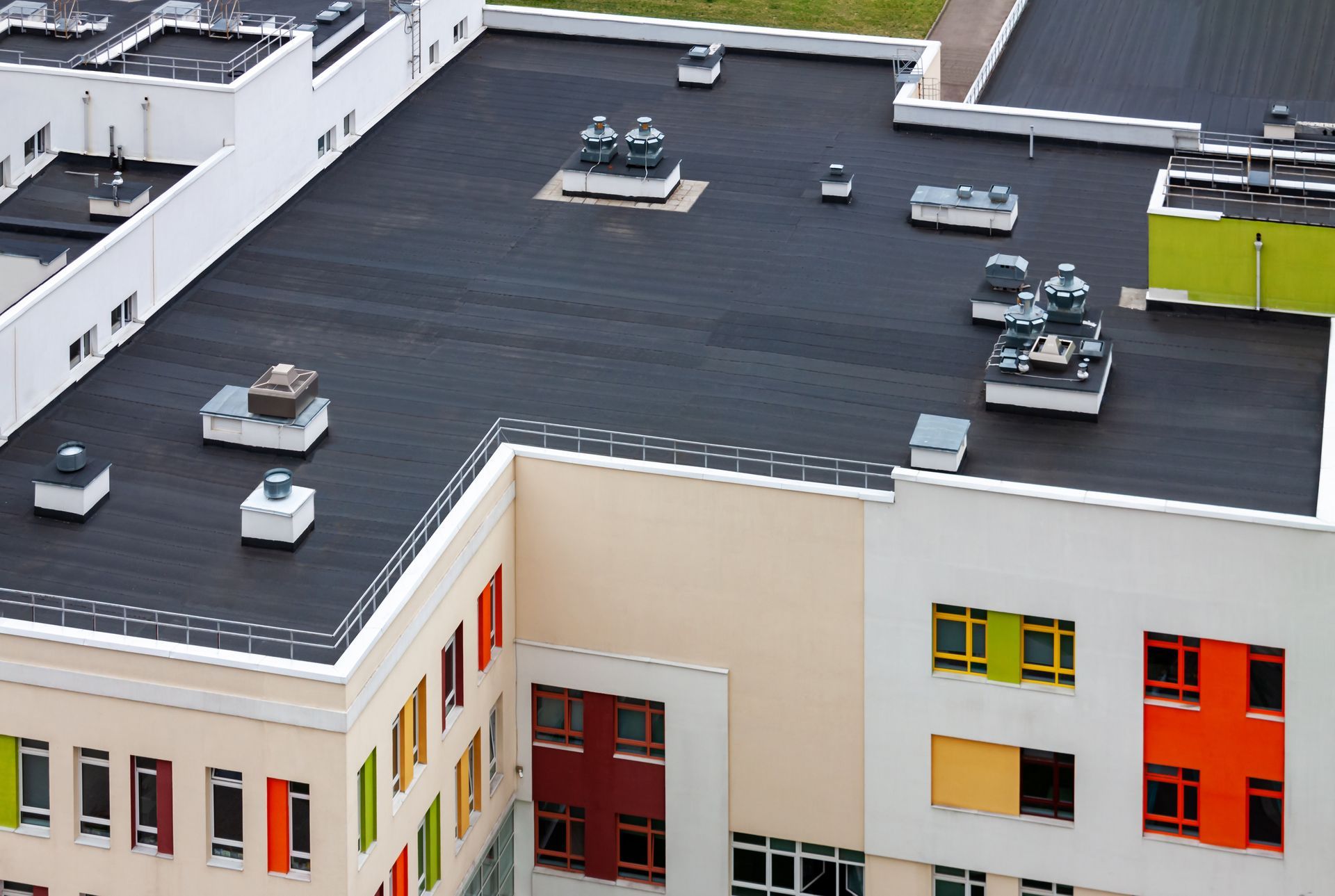 03
03
Thermoplastic membrane with welded seams and strong resistance to many grease and chemical exposures.
EXPLORE PVC ROOFING → 04
Multi-ply bitumen and reinforcement for redundant commercial waterproofing.
EXPLORE BUILT-UP ROOFING →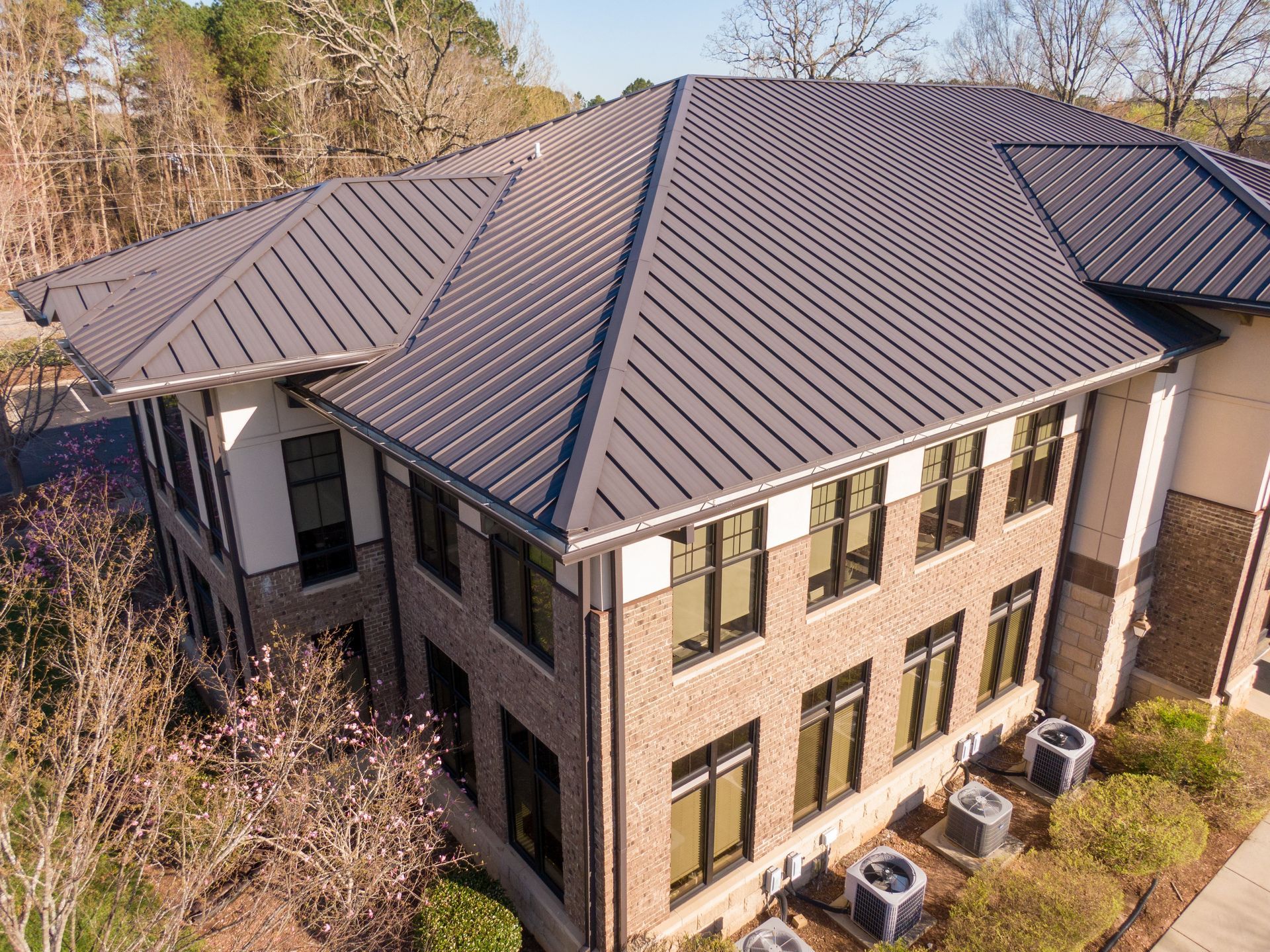 05
05
Panel and standing-seam systems built around movement, attachment and flashing control.
EXPLORE COMMERCIAL METAL →Determine the existing roof composition, moisture conditions and whether the project is repair, recover or replacement.
Match SBS or APP products and the approved attachment method to the building, substrate and manufacturer system.
Create a clean, dry, stable surface with compatible insulation or cover board and corrected drainage transitions.
Install base and cap sheets with proper side laps, end laps, offsets and adhesion according to the system.
Build curbs, walls, penetrations, drains and edge transitions with compatible reinforced flashing materials.
Protect exposed asphalt, inspect laps and terminations, and correct wrinkles, voids or incomplete bonds before closeout.

Before recommending a commercial roof project, Ameristar Roofing can evaluate membrane or panel condition, moisture, insulation, deck concerns, drainage, penetrations, previous repairs and the remaining usefulness of the existing assembly.
A small leak does not automatically mean full replacement. The opposite is also true: a roof covered in patchwork is not automatically a good repair candidate just because another bucket of sealant can be purchased.
The decision should be based on the extent of deterioration, trapped moisture, attachment, recurring leak history, building plans and whether a repair or recover can reasonably restore dependable performance.
Ameristar Roofing can inspect the existing commercial roof, evaluate the assembly and help determine whether modified bitumen roofing belongs in the repair, recover or replacement plan.
(770) 831-1770