01
ROOF DECK
The deck provides structural support and must be evaluated for condition, attachment and moisture-related deterioration.
PVC roofing is a thermoplastic single-ply membrane system known for heat-welded seams, reflective surface options and strong resistance to many chemicals, oils and grease exposures.
PVC is a reinforced thermoplastic single-ply roofing membrane used on low-slope commercial roofs. Seams and many flashing details are fused with hot-air welding equipment. PVC is often evaluated for restaurants, manufacturing, food service and other roofs where grease, oils or certain chemical exposures make membrane formulation and compatibility especially important.
PVC performance comes from the complete roof assembly, not simply from choosing a chemically resistant membrane. Deck condition, insulation, cover board, attachment, weld quality, perimeter securement, flashing details and drainage all need to work together.
The deck provides structural support and must be evaluated for condition, attachment and moisture-related deterioration.
Insulation affects energy performance and can be tapered to improve drainage around low areas.
A compatible separator or cover board may be required based on the substrate, existing materials and system design.
The reinforced thermoplastic sheet creates the exposed waterproofing surface and may be specified by thickness and formulation.
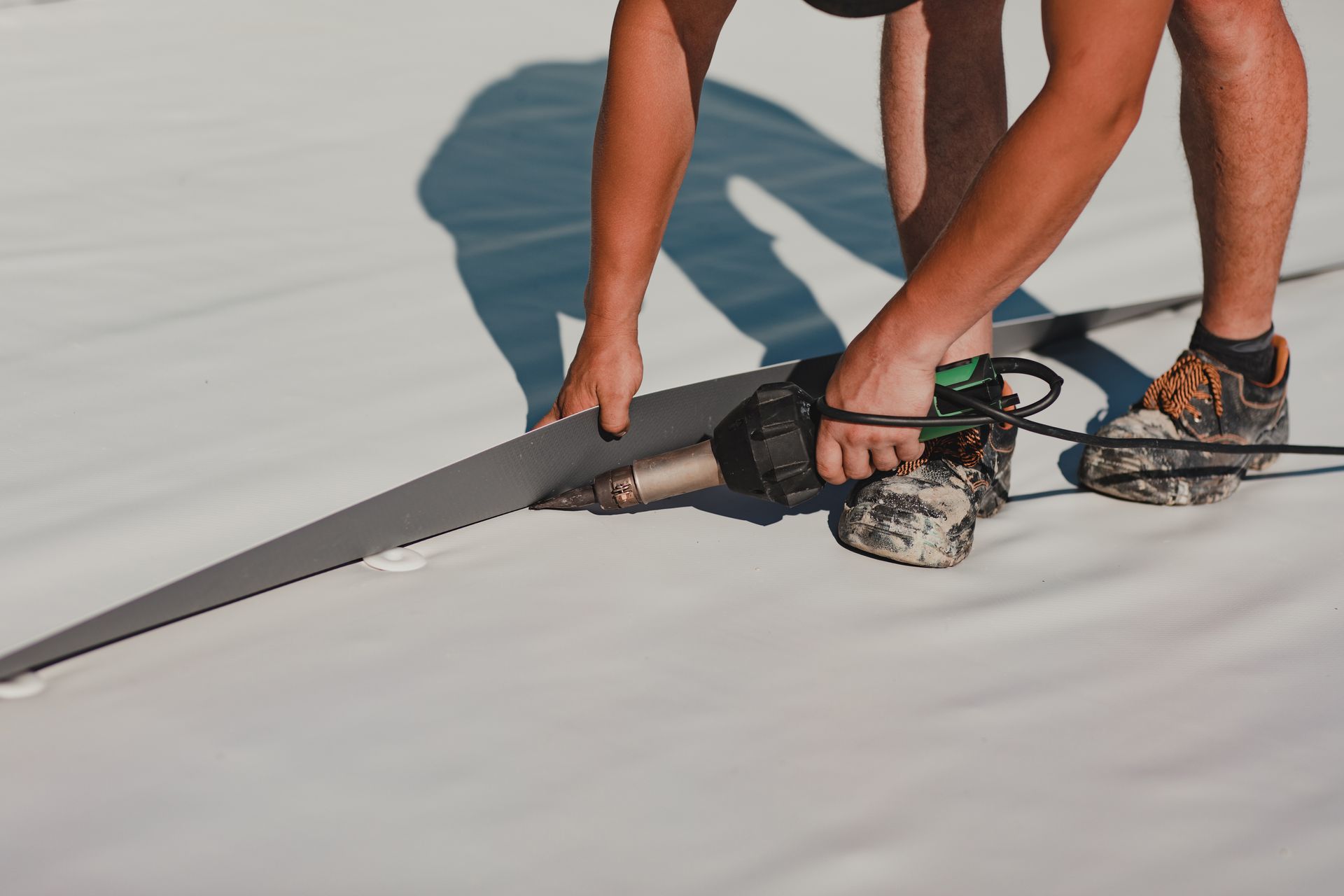
Field seams and many prefabricated or field-fabricated details are welded into the membrane system.
Adhesives, sealants, flashings and contact surfaces must be appropriate for the PVC system and roof exposure.
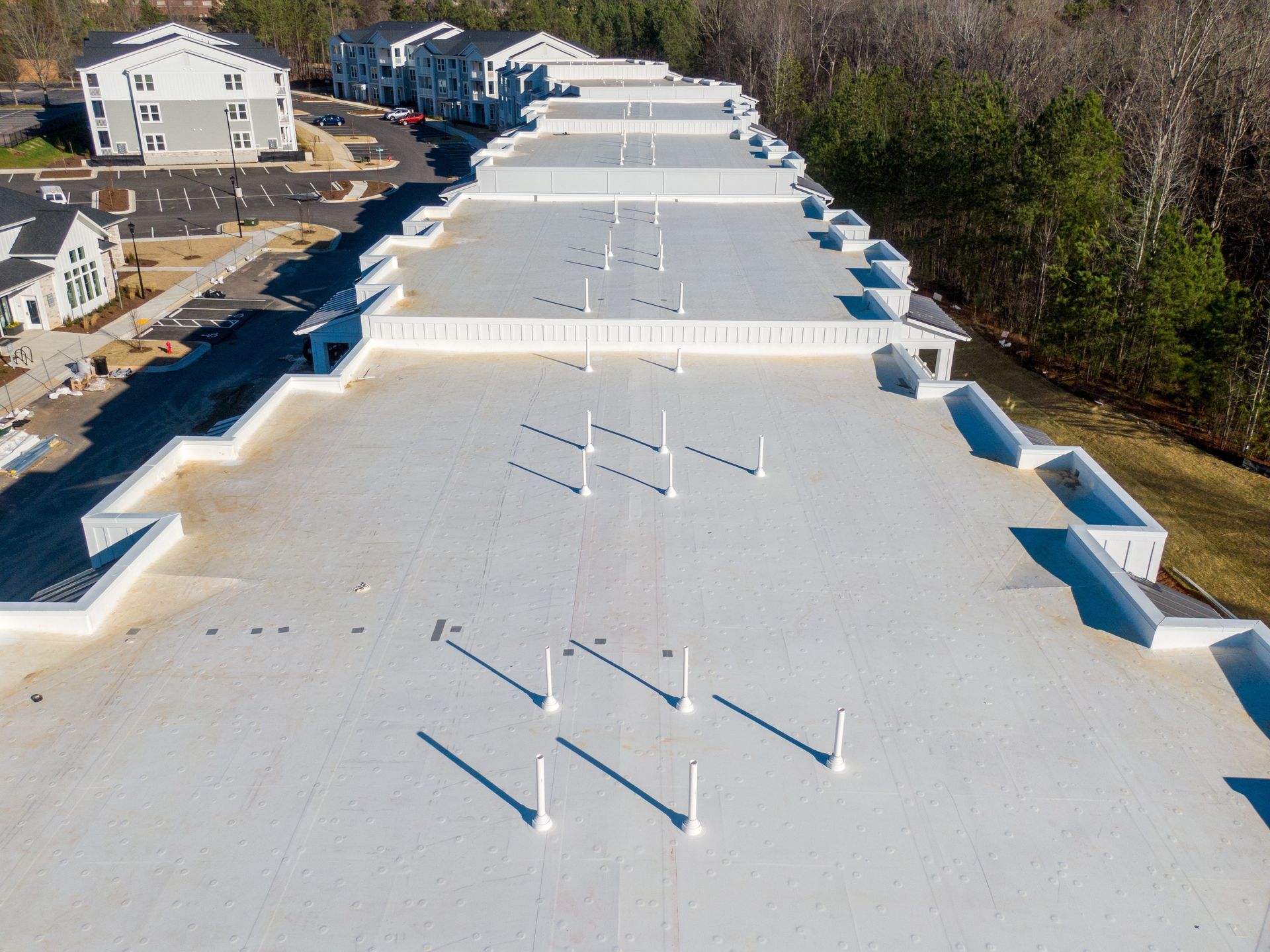
PVC is frequently considered on low-slope commercial roofs where grease, oils or certain chemical exposures are part of the environment. Restaurants, food-service facilities, manufacturing buildings and properties with exhaust discharge near the roof may benefit from evaluating PVC against other membranes.
| System | Type | Seams / Joints | Standout Advantage | Watch Closely |
|---|---|---|---|---|
| PVC | Thermoplastic single-ply | Heat welded | Chemical/grease resistance + reflectivity | Compatibility, welds, details, specification |
| TPO | Thermoplastic single-ply | Heat welded | Reflectivity + broad commercial use | Weld quality, drainage, puncture exposure |
| EPDM | Synthetic rubber single-ply | Tape / adhesive seams | Flexibility + large sheet sizes | Seams, punctures, dark surface heat gain |
| Modified Bitumen | Asphalt-based multi-layer | Product-specific laps | Redundancy + durable surface | Application method, weight, heat exposure |
The right system starts with slope, deck, drainage, rooftop use, exposure, existing materials and ownership goals. These related commercial roof systems solve different problems and should not be treated as interchangeable products.
 01
01
Thermoplastic single-ply with heat-welded seams for low-slope commercial roofs.
EXPLORE TPO ROOFING →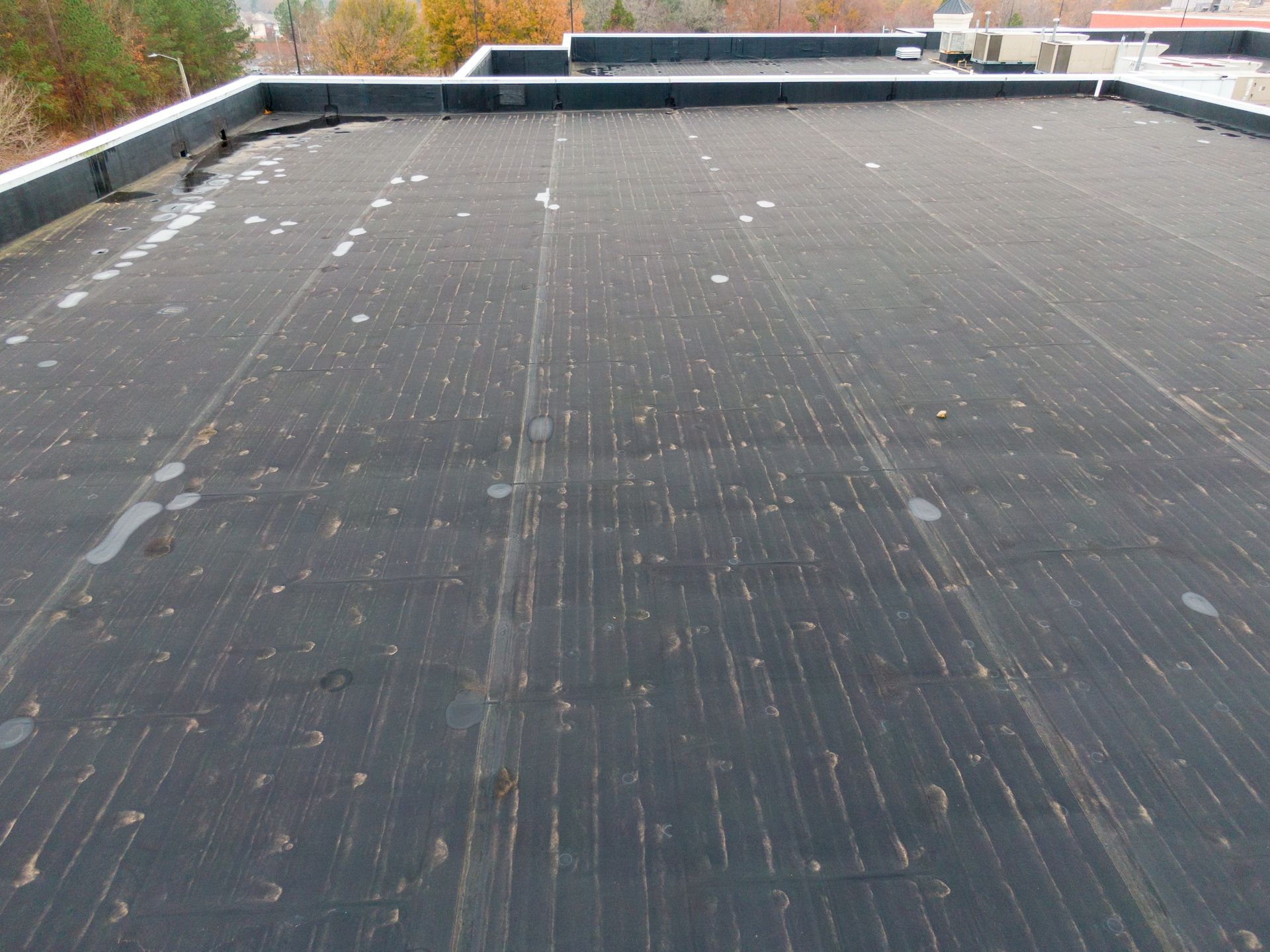 02
02
Synthetic-rubber single-ply roofing with flexible sheets and proven repair methods.
EXPLORE EPDM ROOFING →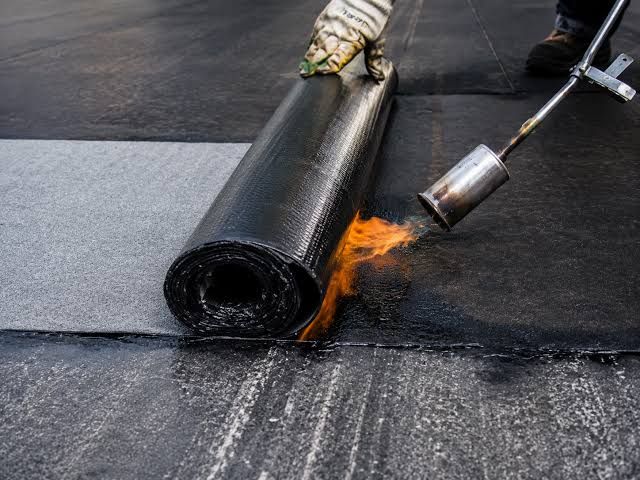 03
03
Reinforced asphalt-based sheets that create durable multi-layer low-slope assemblies.
EXPLORE MODIFIED BITUMEN →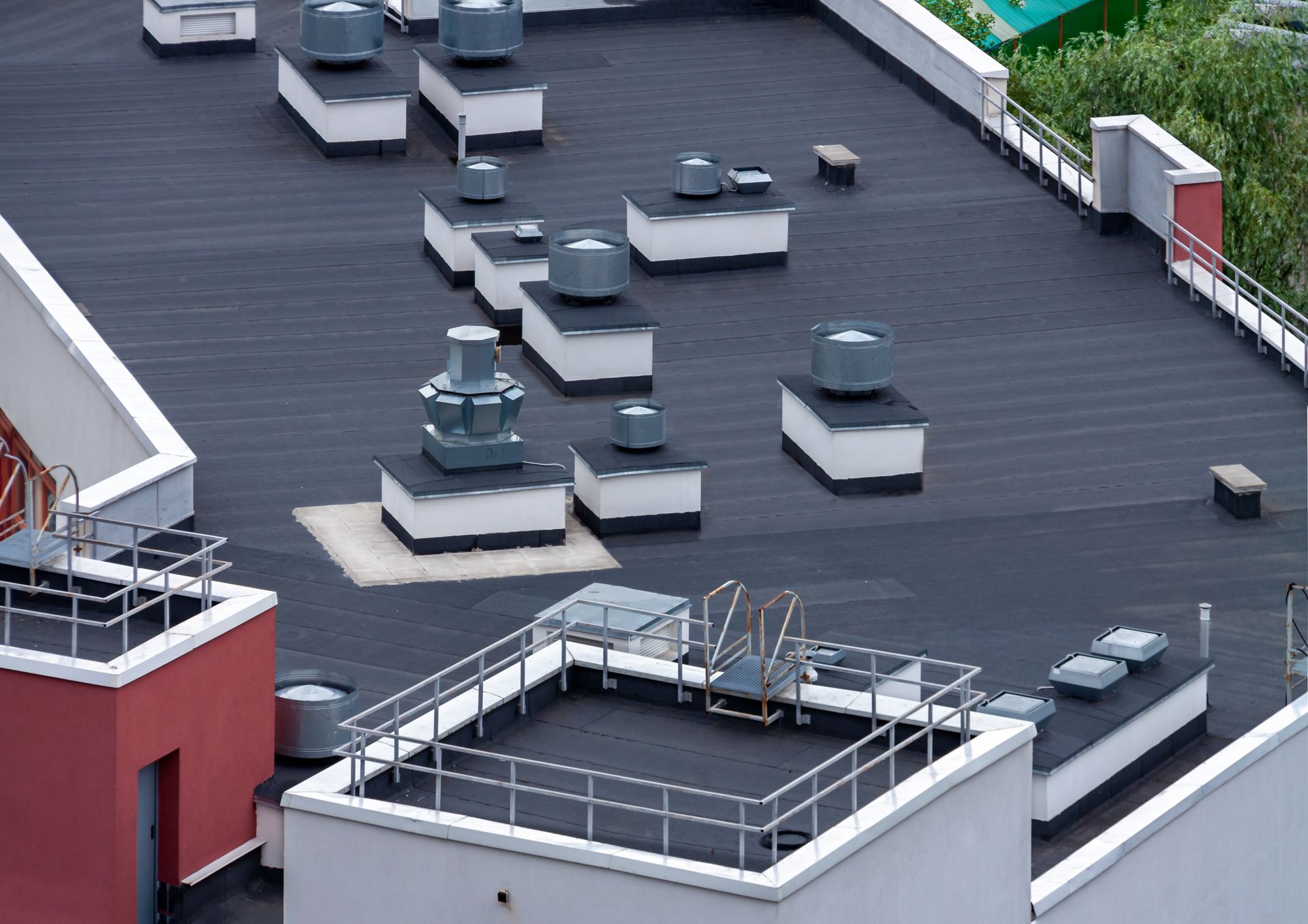 04
04
Multi-ply bitumen and reinforcement for redundant commercial waterproofing.
EXPLORE BUILT-UP ROOFING →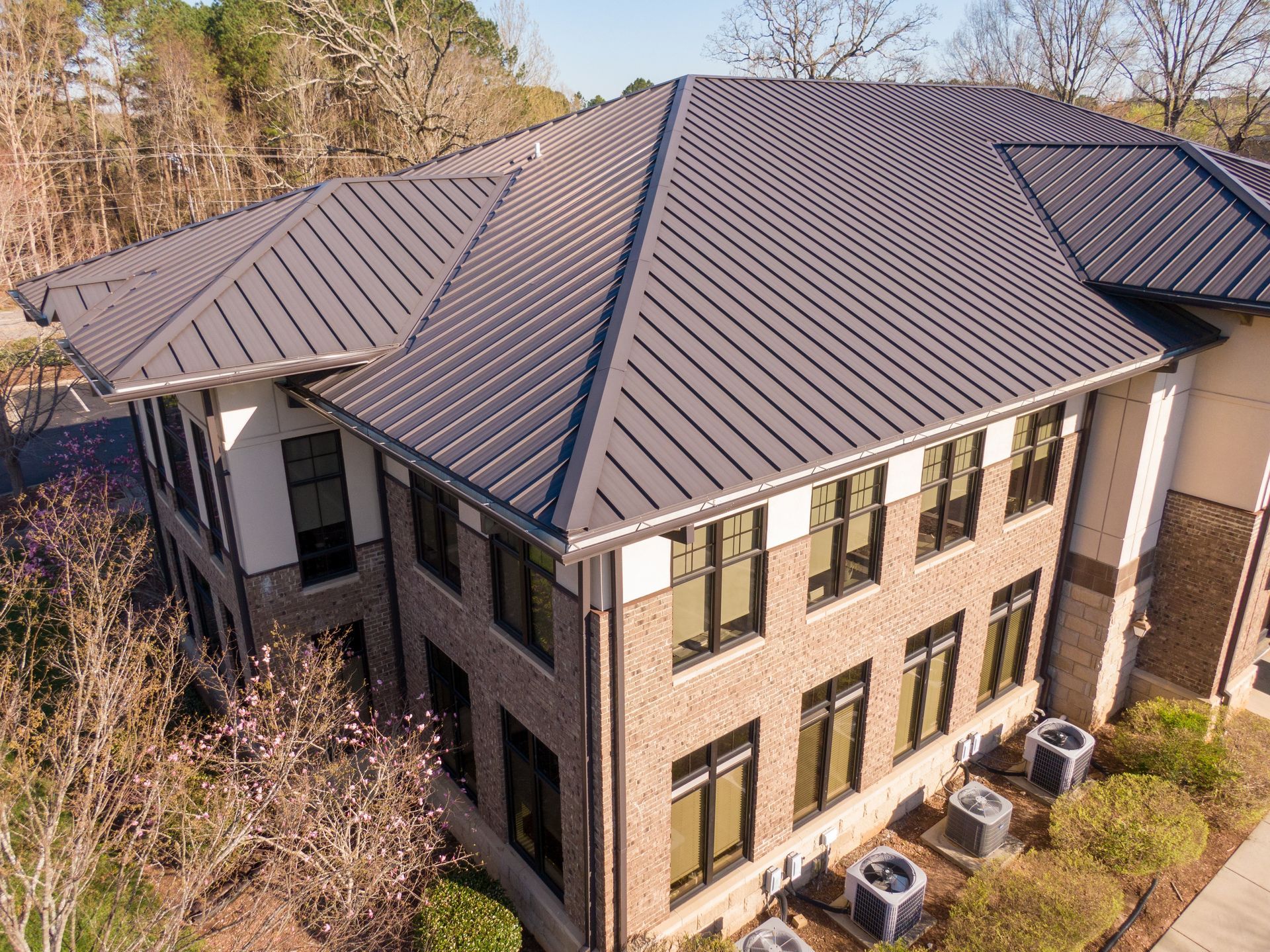 05
05
Panel and standing-seam systems built around movement, attachment and flashing control.
EXPLORE COMMERCIAL METAL →Identify grease, oils, chemicals, exhaust discharge and service conditions before membrane selection.
Check deck, wet insulation, existing roof materials and whether separation layers are needed.
Set thermal layers, tapering and drain transitions to reduce standing-water conditions.
Lay out and secure sheets according to the specified attachment method and fastening pattern.
Weld seams and details under controlled conditions and verify weld integrity during installation.
Address exhaust discharge, service paths, penetrations and incompatible materials so the membrane is not undermined after installation.

Before recommending a commercial roof project, Ameristar Roofing can evaluate membrane or panel condition, moisture, insulation, deck concerns, drainage, penetrations, previous repairs and the remaining usefulness of the existing assembly.
A small leak does not automatically mean full replacement. The opposite is also true: a roof covered in patchwork is not automatically a good repair candidate just because another bucket of sealant can be purchased.
The decision should be based on the extent of deterioration, trapped moisture, attachment, recurring leak history, building plans and whether a repair or recover can reasonably restore dependable performance.
Ameristar Roofing can inspect the existing commercial roof, evaluate the assembly and help determine whether pvc roofing belongs in the repair, recover or replacement plan.
(770) 831-1770