RESIDENTIAL • MULTI-FAMILY • COMMERCIAL
ROOFING TYPES & SYSTEMS FOR ATLANTA, GA PROPERTIES
From asphalt shingles, metal, cedar shake and slate to built-up roofing, modified bitumen, TPO, PVC and EPDM, every system solves a different roofing problem. Ameristar Roofing helps property owners compare roof slope, building use, durability, appearance, maintenance and budget before choosing the system that belongs on the property.
GAF MASTER ELITE®
PRESIDENT'S CLUB
PITCHED + LOW-SLOPE
ROOF BASICS • QUICK ANSWER
There is no single “best” roofing material. Asphalt, metal, cedar shake and slate are steep-slope options with very different cost, appearance and maintenance profiles, while built-up roofing, modified bitumen, TPO, PVC, EPDM and commercial metal cover the primary commercial and low-slope system categories Ameristar works with.
START HERE • ROOFING SYSTEM SELECTOR
COMPARE ROOFING SYSTEMS BY PROPERTY, SLOPE & PRIORITY.
Residential and commercial roofing should not be dumped into one generic “roof type” list. Start with the building and roof slope, then compare the systems that actually fit the application.
| System | Typical Application | Roof Slope | Upfront Investment | Standout Advantage | Important Consideration |
|---|---|---|---|---|---|
| Asphalt Shingles | Homes, townhomes, HOAs, apartments | Steep-Slope | $$ | Strong balance of value, style and availability | Ventilation, flashing and installation details drive performance |
| Residential Metal | Homes, estates, churches, architectural properties | Steep-Slope | $$$–$$$$ | Durability, long service potential and clean design | Panel profile, movement, flashing and fastening matter enormously |
| Cedar Shake | Custom homes, estates, historic and architectural properties | Steep-Slope | $$$–$$$$ | Natural texture and distinctive architectural character | Moisture management, ventilation, maintenance and local code requirements |
| Slate Roofing | Historic homes, estates, churches, luxury properties | Steep-Slope | $$$$$ | Exceptional longevity and natural stone appearance | Specialized installation and structural review are critical |
| Built-Up Roofing | Commercial, industrial and large low-slope roofs | Low-Slope | $$$ | Multiple plies create a durable, redundant roof assembly | Weight, drainage, application method and rooftop logistics |
| Modified Bitumen | Commercial, multi-family and detail-heavy low-slope roofs | Low-Slope | $$–$$$ | Tough asphalt-based membrane with flexible installation options | Seams, flashing and installation method must fit the roof assembly |
| TPO | Commercial, apartments, warehouses, offices and retail | Low-Slope | $$–$$$ | Reflective membrane with heat-welded seams | Drainage, weld quality, penetrations and flashing drive performance |
| PVC | Restaurants, retail, commercial and low-slope facilities | Low-Slope | $$$ | Heat-welded seams with strong resistance to many chemicals and grease | Compatibility, fastening, flashing and penetration details |
| EPDM | Commercial, industrial, offices and large low-slope roofs | Low-Slope | $$–$$$ | Flexible membrane with a long commercial roofing track record | Seams, attachment, penetrations and drainage require precise detailing |
| Commercial Metal | Retail, offices, churches, facilities, canopies and sloped commercial roofs | Steep + Select Low-Slope | $$$–$$$$ | Durability, architectural appearance and long-term service potential | Expansion, clips or fasteners, transitions and panel geometry |
Investment levels are relative, not estimates. Actual project cost depends on roof size, access, tear-off, deck condition, insulation, flashing, material profile, building height and project complexity.
STEEP-SLOPE ROOFING
STEEP-SLOPE ROOFING FOR HOMES & ARCHITECTURAL PROPERTIES.
These systems are most commonly used on pitched roofs, where appearance and water-shedding performance are major parts of the decision.
01
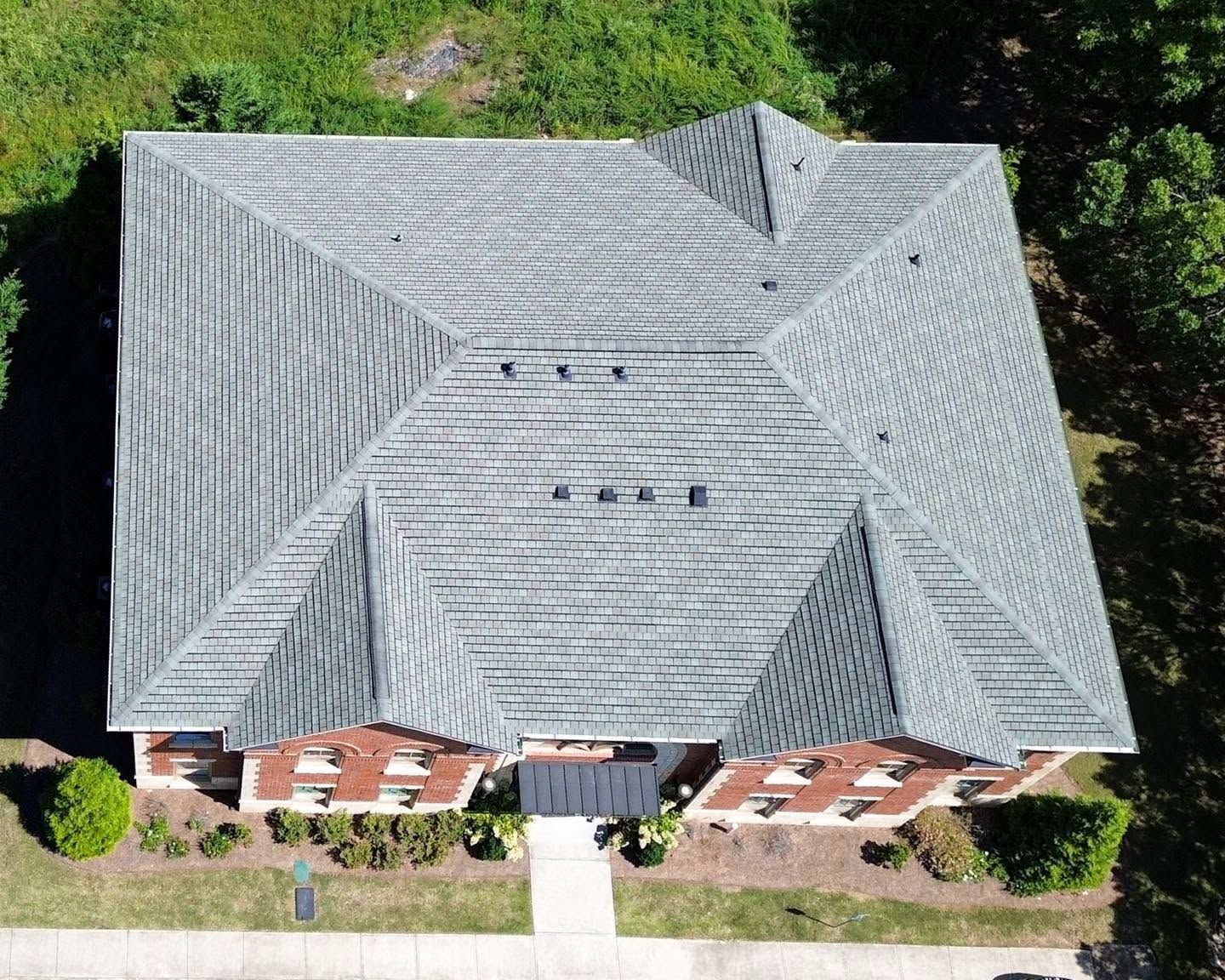
ASPHALT SHINGLE ROOFING
THE VALUE LEADER FOR RESIDENTIAL ROOFING.
Asphalt shingles remain the most common residential roofing material because they combine attainable cost, broad style options and proven performance when the complete roof system is installed correctly.
BEST FOR
Homes, HOAs, Townhomes, Apartments
ROOF TYPE
Steep-Slope
INVESTMENT
$$ • Value / Midrange
KEY ADVANTAGE
Versatility + Value
ARCHITECTURAL VS. 3-TAB SHINGLES
Both are asphalt-based, but architectural shingles are thicker, dimensional and now far more common. For most replacement and new-construction projects, architectural shingles provide the stronger mix of appearance, wind performance and long-term value.
- Architectural and designer shingle options
- Wide range of colors and profiles
- Efficient installation compared with premium materials
- Compatible system accessories and ventilation matter
- Proper flashing and fastening are critical
- Strong fit for neighborhoods and multi-building communities
Roof-system point:
shingles are only the visible layer. Underlayment, leak barriers, starter strips, flashing, ventilation and ridge-cap components all contribute to performance.
02
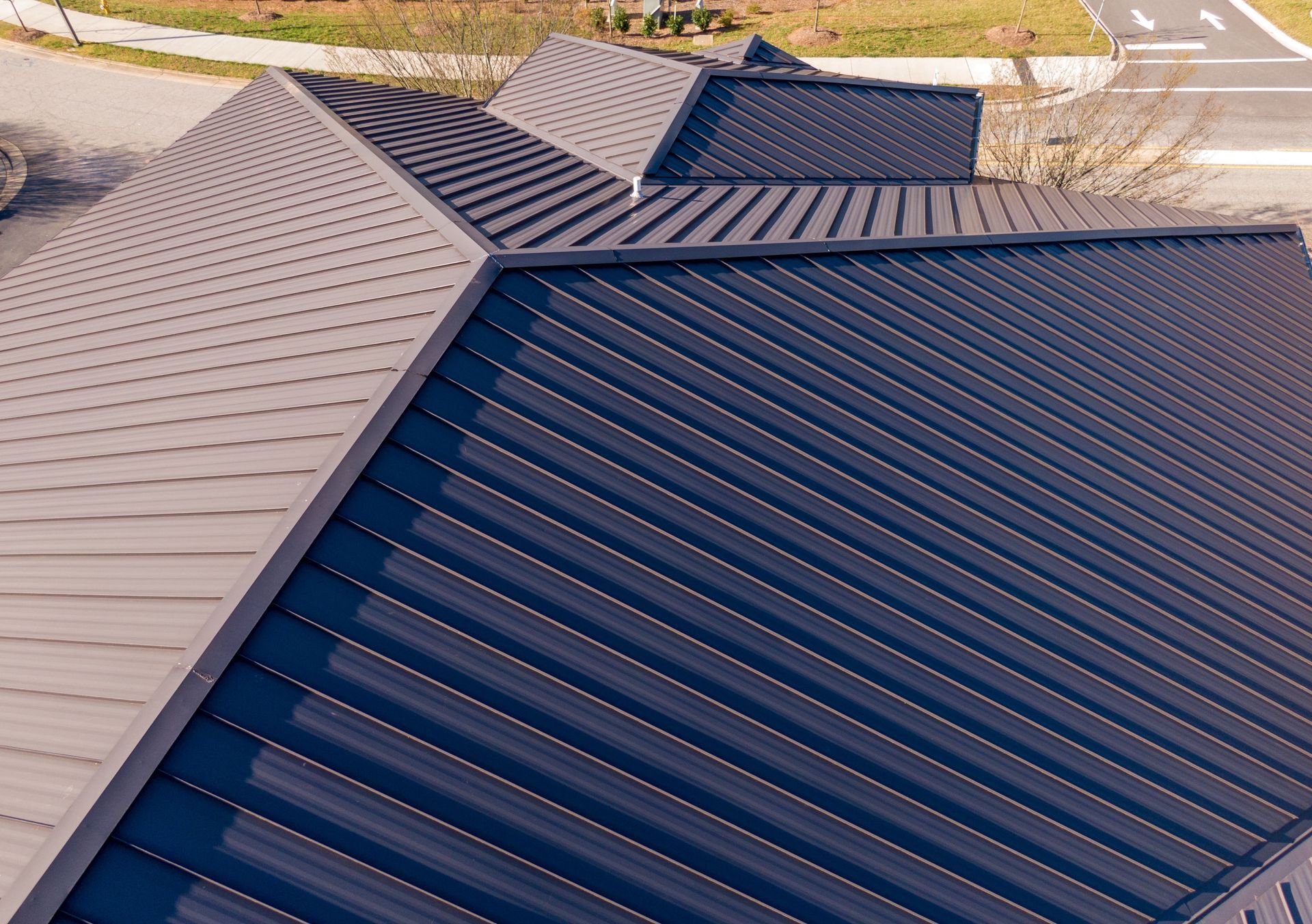
METAL ROOFING
DURABILITY WITH ARCHITECTURAL IMPACT.
Metal roofing is a premium system for owners who prioritize long service potential, lower routine maintenance and a clean architectural appearance. Industry guidance commonly places properly installed metal roofs in roughly the 40–70 year service-life range, depending on system and conditions.
BEST FOR
Homes, Commercial, Churches, Retail
SYSTEM TYPES
Standing Seam, Panels, Metal Shingles
INVESTMENT
$$$–$$$$ • Premium
KEY ADVANTAGE
Longevity + Durability
TYPES AMERISTAR CAN WORK WITH
- Standing seam metal roofing
- Corrugated / exposed-fastener panels
- Metal shingle systems
- Stone-coated steel systems
- Architectural metal panels
- Residential and commercial applications
Where expertise matters:
metal expands and contracts. Panel layout, clips or fasteners, flashings, penetrations and transition details need to accommodate movement rather than fight it.
03
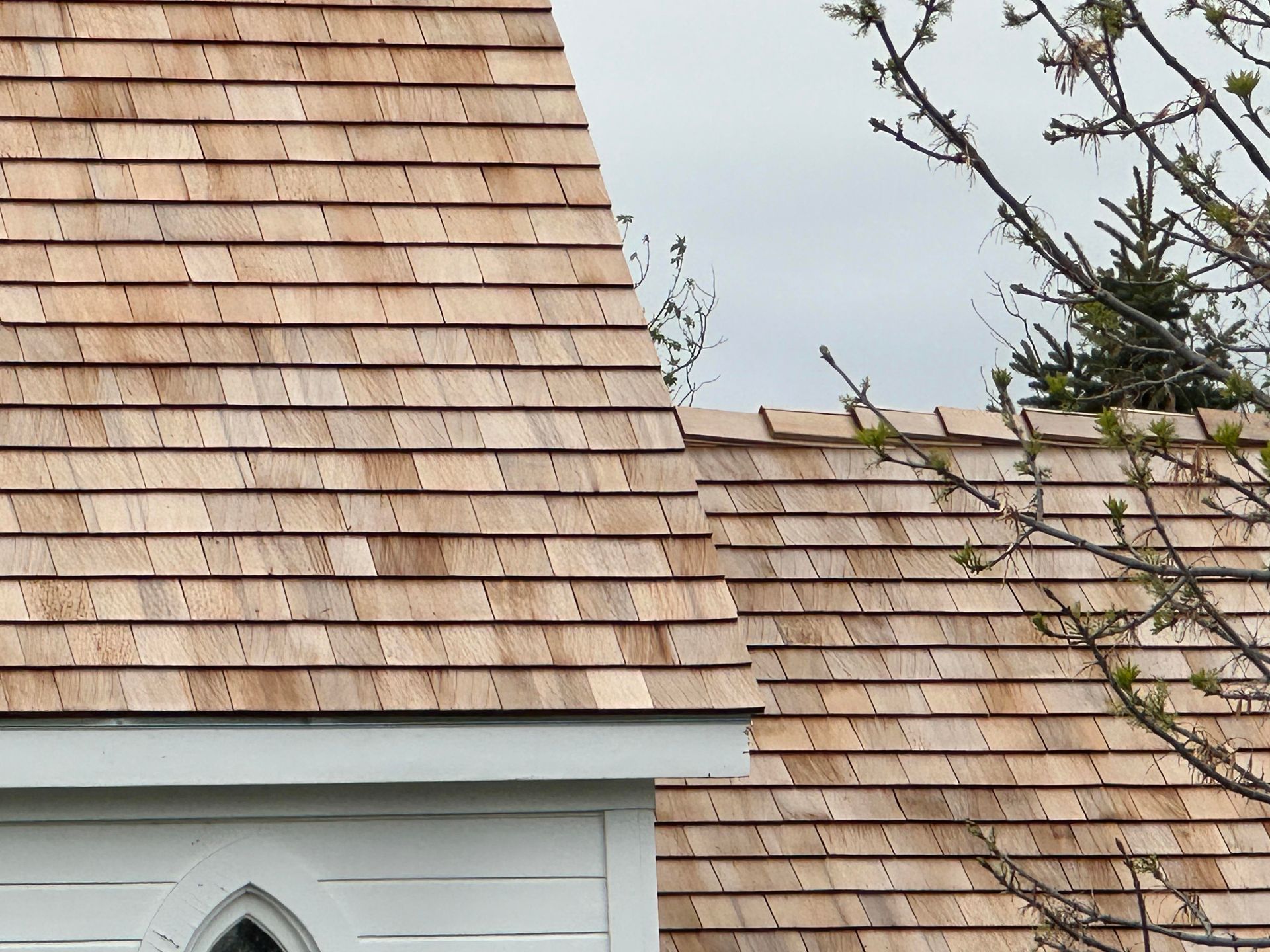
CEDAR SHAKE ROOFING
NATURAL CHARACTER. A ROOF WITH REAL TEXTURE.
Cedar shake roofing brings depth, variation and a natural architectural look that manufactured roofing materials cannot perfectly reproduce. It is best suited to owners who value character and are comfortable with the maintenance and detailing a real wood roofing system requires.
BEST FOR
Custom Homes, Estates, Historic + Architectural Properties
MATERIAL
Cedar / Wood Shake
INVESTMENT
$$$–$$$$ • Premium
KEY ADVANTAGE
Natural Texture + Architectural Character
WOOD ROOFING NEEDS A COMPLETE SYSTEM
Cedar shake is not simply wood nailed to a roof deck. Underlayment, ventilation, spacing, fastening, flashing, moisture control and the condition of the roof deck all matter. Local building and fire requirements also need to be considered before selecting a wood roofing system.
- Distinctive natural color and texture that changes as the material weathers
- Strong fit for custom, historic and architecturally detailed homes
- Individual damaged shakes can often be serviced when the surrounding system is sound
- Routine inspection and maintenance are more important than with many manufactured roofing materials
Roof-system point:
cedar shake performs best when the roof assembly is designed to manage moisture and allow the material to dry. Ventilation and flashing details are not optional extras.
04
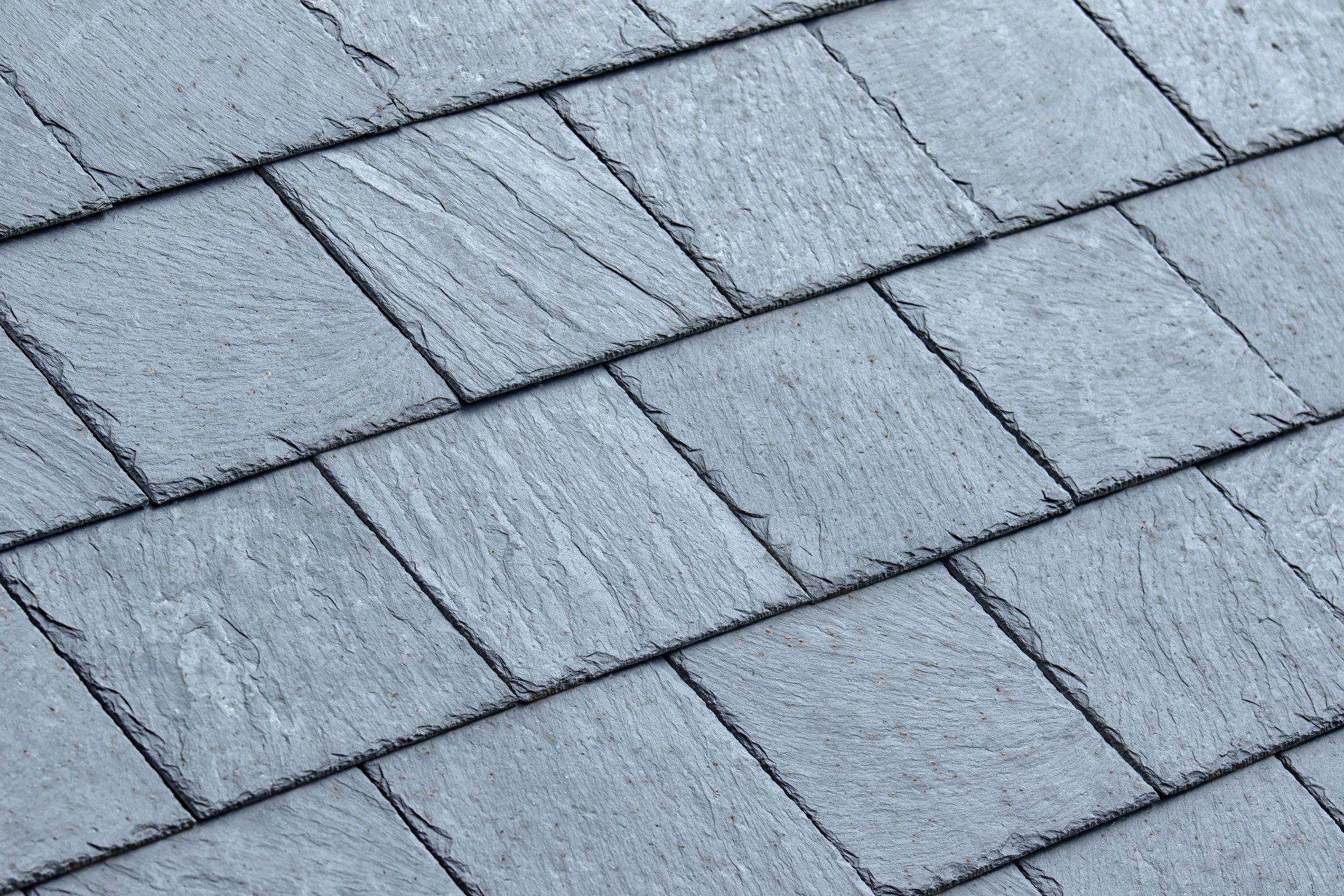
SLATE ROOFING
THE ROOFING MATERIAL FOR GENERATIONS, NOT YEARS.
Natural slate sits at the top end of steep-slope roofing. It is selected for historic, luxury and architecturally significant properties where appearance, material authenticity and exceptional longevity justify the higher initial investment.
BEST FOR
Historic, Estate, Church, Luxury
MATERIAL
Natural Stone
INVESTMENT
$$$$$ • Luxury
KEY ADVANTAGE
Exceptional Longevity
INSTALLATION IS SPECIALIZED
Slate is not a system for crews learning on the job. Fastening, layout, flashing, breakage control, roof access and weight distribution demand specialized handling. Improper installation can waste one of the longest-lasting roofing materials available.
- Exceptional natural variation and architectural character
- Noncombustible stone material
- Individual slate units can be serviced when properly accessed
- Structure and substrate must be appropriate for the system weight
COMMERCIAL & LOW-SLOPE ROOFING
COMMERCIAL ROOFING SYSTEMS BUILT AROUND THE BUILDING.
Ameristar works with built-up roofing, modified bitumen, TPO, PVC, EPDM and commercial metal. Each system solves a different set of roof conditions, so the recommendation should account for slope, deck and insulation, drainage, penetrations, rooftop traffic, energy goals, maintenance expectations and long-term ownership plans.
01
BUILT-UP ROOFING
Multiple layers of bitumen and reinforcing materials create a durable, redundant roof assembly for low-slope commercial and industrial properties.
02
MODIFIED BITUMEN
A polymer-modified asphalt membrane well suited to low-slope roofs that need toughness, serviceability and flexible flashing details.
03
TPO ROOFING
A reflective thermoplastic single-ply membrane with heat-welded seams, commonly used across warehouses, retail, offices and multi-family properties.
04
PVC ROOFING
A heat-welded single-ply membrane often considered where reflectivity plus resistance to grease or certain chemical exposures matters.
05
EPDM ROOFING
A flexible synthetic rubber membrane with a long commercial roofing history and a strong fit for large low-slope roof areas.
06
COMMERCIAL METAL
Standing seam and architectural metal systems provide durability, long-term performance and strong visual impact on properly designed roof slopes.
COMMERCIAL SYSTEM COMPARISON
MATCH THE COMMERCIAL ROOF TO THE BUILDING CONDITIONS.
The system name matters less than whether the assembly actually fits the roof. This comparison gives property owners a cleaner way to understand where each commercial roofing system tends to make sense.
| System | System Type | Common Fit | Primary Strength | Critical Detail |
|---|---|---|---|---|
| Built-Up Roofing | Multi-ply asphalt + reinforcing layers | Large low-slope commercial and industrial roofs | Redundancy and proven multi-layer construction | Drainage, weight, flashing and application logistics |
| Modified Bitumen | Polymer-modified asphalt membrane | Low-slope roofs, repairs, additions and detail-heavy assemblies | Tough membrane with strong detailing flexibility | Seams, terminations, flashing and installation method |
| TPO | Thermoplastic single-ply membrane | Warehouses, retail, offices, apartments and facilities | Reflective surface + heat-welded seams | Weld quality, penetrations, attachment and drainage |
| PVC | Thermoplastic single-ply membrane | Restaurants, retail and specialized commercial facilities | Welded seams + resistance to many grease/chemical exposures | Compatibility, attachment, flashing and penetrations |
| EPDM | Synthetic rubber single-ply membrane | Large commercial, industrial and office roof areas | Flexibility + long commercial roofing history | Seams, flashing, puncture protection and drainage |
| Commercial Metal | Standing seam / architectural metal panels | Retail, churches, offices, facilities, canopies and sloped roofs | Durability + architectural appearance | Thermal movement, clips/fasteners, transitions and flashing |
No commercial system is automatically best. Existing roof conditions, deck type, insulation, slope, drainage, rooftop equipment, code requirements and maintenance goals should be evaluated before the assembly is selected.
HOW AMERISTAR MATCHES THE SYSTEM
THE RIGHT ROOFING SYSTEM STARTS WITH THE PROPERTY.
Product selection should be the result of the roof assessment, not the opening sales pitch. Ameristar compares the conditions that actually determine whether a roofing system belongs on the building.
PROPERTY USE
Homes, apartment communities, retail centers, offices, churches and warehouses create different roofing demands.
ROOF SLOPE
Steep-slope water-shedding systems and low-slope membrane assemblies are designed to manage water differently.
EXISTING ASSEMBLY
Deck type, insulation, existing materials, framing and substrate condition can narrow the viable system choices quickly.
DRAINAGE + DETAILS
Drains, scuppers, penetrations, walls, curbs, valleys and transitions often matter as much as the field material itself.
LIFECYCLE + MAINTENANCE
Initial cost should be weighed against expected service, maintenance access, repairability, disruption and eventual replacement.
ARCHITECTURE + BUDGET
Appearance matters on visible roofs, but the chosen system still has to fit the building conditions and the owner's investment priorities.
CERTIFICATION + WARRANTY ACCESS
GAF MASTER ELITE® IS ACTUALLY A RARE CREDENTIAL.
GAF states that fewer than 2% of roofing contractors qualify for Master Elite® status. Ameristar Roofing is also a GAF President's Club award recipient, a designation reserved for select Master Elite® contractors demonstrating performance, reliability and service.
VERIFY AMERISTAR WITH GAF →ROOFING TYPES FAQ
WHAT TO KNOW BEFORE CHOOSING A ROOFING SYSTEM.
Roof slope, building use, structure, drainage, maintenance and budget all influence the right system. These are the questions property owners commonly need answered before narrowing the field.
What is the best roofing material for a home in Georgia?
There is no universal best material. Architectural asphalt shingles are the most common value-oriented option, metal can provide long service potential and a premium appearance, cedar shake offers natural architectural character, and slate serves specialized luxury and historic applications. Roof slope, structure, budget, design and maintenance expectations all matter.
Are architectural shingles better than 3-tab shingles?
For most current residential projects, architectural shingles provide a thicker, dimensional appearance and generally stronger performance options than basic 3-tab shingles. Product ratings and warranty terms vary by manufacturer and product line.
Does cedar shake require more maintenance than asphalt shingles?
Generally, yes. Real wood roofing requires closer attention to moisture, ventilation, debris, damaged shakes and the condition of flashing and surrounding roof details. That maintenance expectation should be part of the decision before choosing cedar shake.
How long can a metal roof last?
Metal roofing can provide long service life, but actual performance depends on the metal system, coating, environment, installation quality, flashing details and maintenance. Panel type and installation quality matter more than simply choosing “metal.”
What commercial roofing systems does Ameristar work with?
Ameristar's commercial roofing system mix includes built-up roofing, modified bitumen, TPO, PVC, EPDM and commercial metal. The appropriate system depends on roof slope, the existing assembly, drainage, deck, insulation, rooftop equipment, building use and project goals.
Is TPO always the best choice for a commercial roof?
No. TPO is a common commercial system, but PVC, EPDM, modified bitumen, built-up roofing or commercial metal may fit a particular property better. The roof conditions and assembly design should drive the recommendation rather than defaulting every building to the same membrane.
Can Ameristar work on both pitched and low-slope roofs?
Ameristar Roofing works with steep-slope and low-slope systems for residential, multi-family and commercial properties. The system should be selected around the actual roof slope, deck, drainage, building use and existing conditions.
Does the roofing material determine the entire warranty?
No. Warranty eligibility can depend on the specific product, accessory package, installation requirements, contractor certification and warranty selected. Manufacturer terms should be reviewed for the exact system being installed.
NOT SURE WHICH ROOF BELONGS ON YOUR PROPERTY?
START WITH THE BUILDING. THEN CHOOSE THE SYSTEM.
Ameristar Roofing can help compare roofing systems for residential, multi-family and commercial properties across Atlanta, GA and build the recommendation around the roof you actually have.