LIFTED OR MISSING SHINGLES
High winds can loosen shingles, break seals, crease tabs or remove roofing completely, increasing the risk of water intrusion.
After a Georgia storm, the first priority is protecting the property and understanding what actually happened to the roof. Ameristar Roofing can inspect visible conditions, photograph damage and prepare the construction scope for needed repairs or replacement.
Wind can lift or crease shingles without removing them. Hail can bruise roofing materials and damage soft-metal components. Fallen limbs can break shingles, puncture roofing or damage decking. Water can also enter at flashing, vents and transitions that looked normal from the ground.
Ameristar Roofing evaluates the roof as a construction system. We document visible storm-related conditions, identify the areas requiring repair or further evaluation, and prepare a scope and estimate based on the work the property needs.
For homeowners using insurance, your insurer determines coverage and settlement under the policy. Ameristar’s role is the roofing work: inspection, photos, construction observations, estimating and completing the approved repair or replacement scope.

High winds can loosen shingles, break seals, crease tabs or remove roofing completely, increasing the risk of water intrusion.
Hail can affect shingles, metal flashings, vents and other roof components. Impact evidence needs to be evaluated in context with the roof’s age and condition.
Debris can crack roofing, puncture the assembly, damage decking or create structural concerns that require more than surface repairs.
Wind can loosen roof-edge components and flashing at walls, chimneys and other transitions where water protection depends on secure detailing.
Granules naturally weather over time, but concentrated impact patterns can be part of a broader hail evaluation. Granule loss alone does not automatically prove a roof needs replacement.
Ceiling stains, wet insulation or attic moisture after a storm can indicate an active opening in the roof system that needs prompt evaluation.
Ameristar can support the roofing side of an insurance-related project without crossing the line into adjusting or negotiating the homeowner’s claim.
Evaluate visible roofing conditions and identify areas that appear consistent with storm-related damage or other failure mechanisms.
Create visual documentation of relevant roofing conditions so the construction findings are clear and organized.
Prepare the roofing repair or replacement scope based on materials, labor and construction requirements.
Complete the authorized roofing work and provide normal project documentation for the completed construction scope.
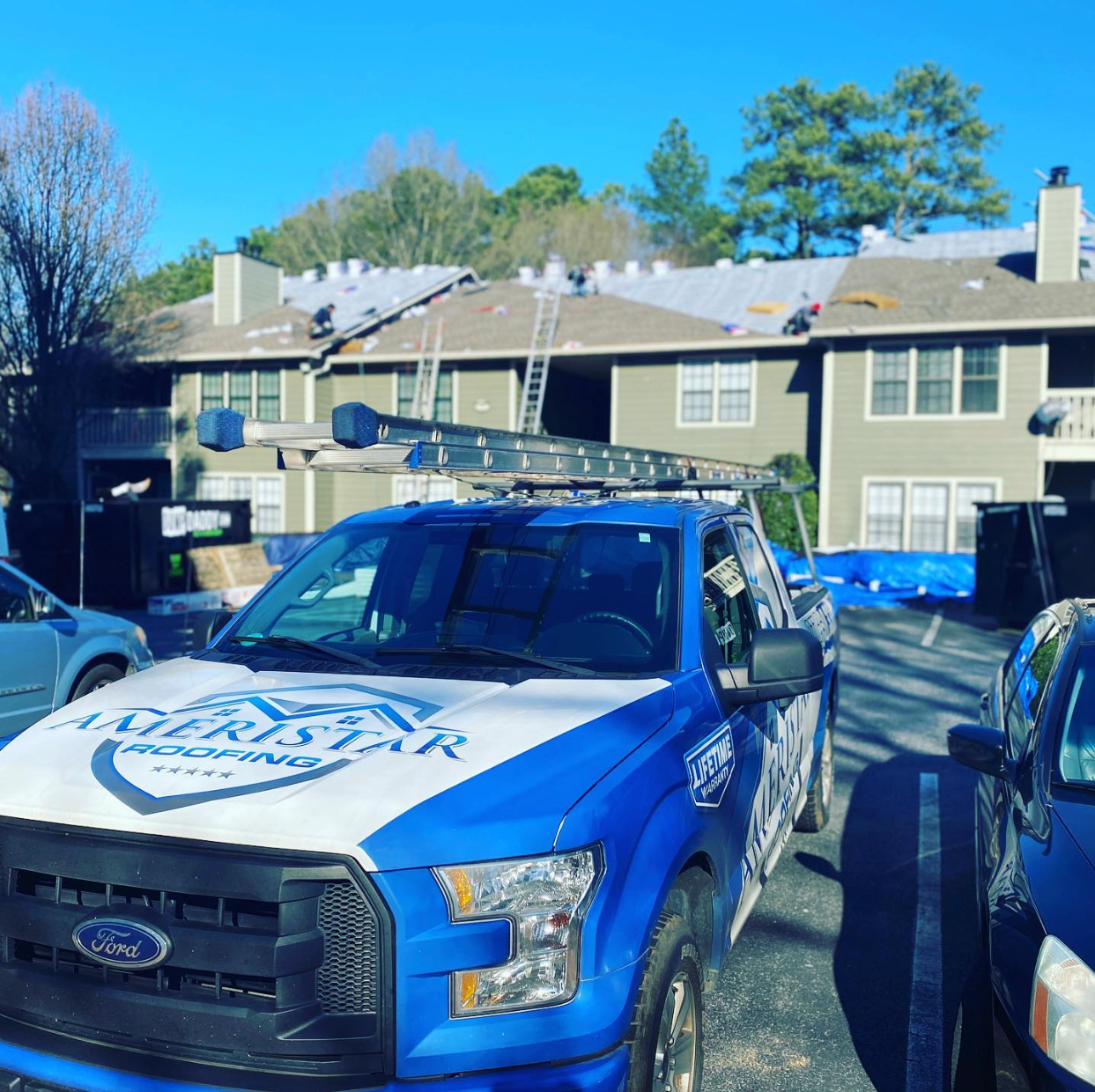
Some storm damage is localized and repairable. Other events affect enough of the roofing system that replacement becomes the more reliable construction solution. The decision should be based on the location and extent of damage, the condition of the surrounding roof and whether the proposed repair can be completed correctly.
Ameristar can explain the construction reasoning behind the recommended scope so the owner understands what is being repaired, what is being replaced and why.
Tell us what happened, whether water is entering the property and any damage you can safely see from the ground.
Ameristar inspects accessible roofing areas and records visible conditions relevant to the proposed construction scope.
We explain whether the roof appears repairable or whether broader replacement is recommended from a roofing standpoint.
If insurance is involved, the property owner reports and manages the claim directly with the insurer or licensed claims professional.
Once the roofing scope is authorized, materials, access and project timing are coordinated.
Ameristar completes the roofing work and closes out the construction project with applicable documentation.
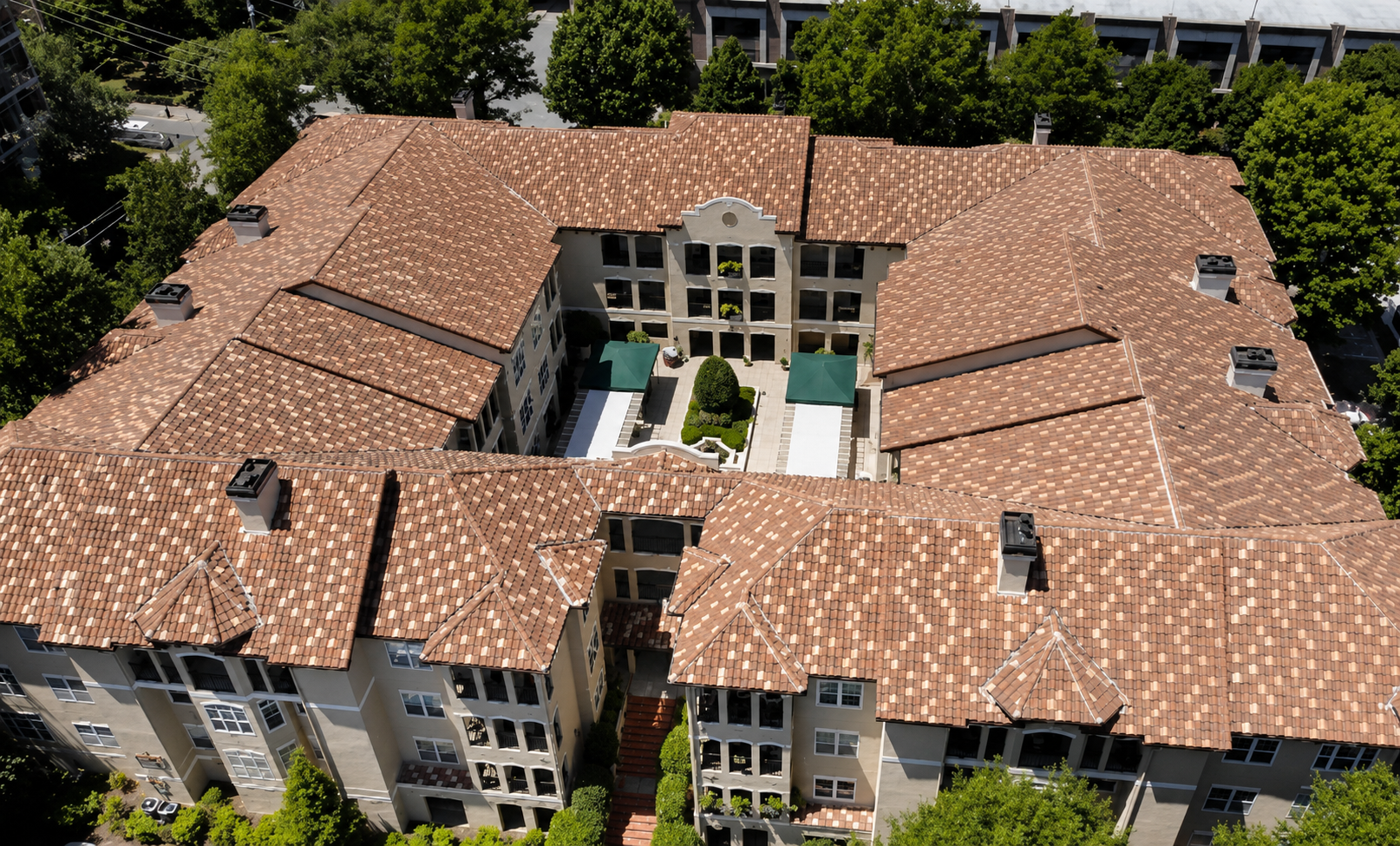

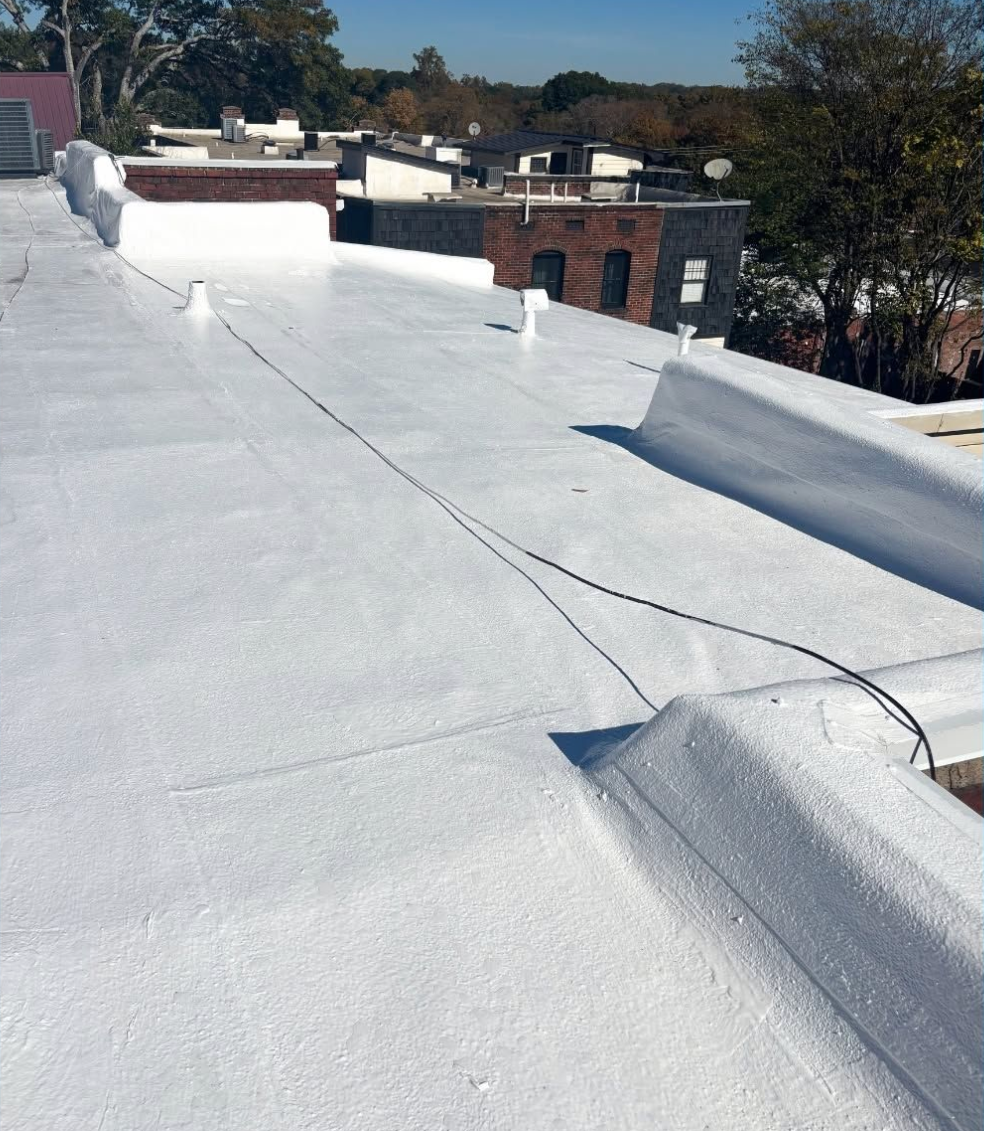
Ameristar Roofing can document visible storm damage, prepare the roofing scope and complete the repair or replacement work your property needs.
(770) 831-1770