01
ROOF DECK
Steel, concrete, wood or another approved deck provides the structural substrate for the roofing assembly.
Thermoplastic polyolefin roofing is a single-ply commercial membrane system built around heat-welded seams, compatible insulation, secure attachment and disciplined drainage.
TPO is a thermoplastic single-ply membrane used on low-slope commercial roofs. The membrane is typically white or light colored, seams are fused with hot-air welding equipment, and the complete assembly may include vapor control, insulation, cover board, membrane attachment, flashing and drainage components. Performance depends as much on detailing and substrate conditions as it does on the membrane itself.
A TPO roof is not simply a white sheet stretched across a building. The roof deck, insulation package, cover board, attachment method, membrane thickness, seam welding, penetrations, perimeter securement and drainage all work together as one assembly.
Steel, concrete, wood or another approved deck provides the structural substrate for the roofing assembly.
Project conditions may call for vapor or air-control layers based on the building use, climate and existing assembly.
Rigid insulation influences thermal performance, slope-to-drain strategy and substrate support.
A compatible cover board can improve surface stability and add protection beneath the membrane.
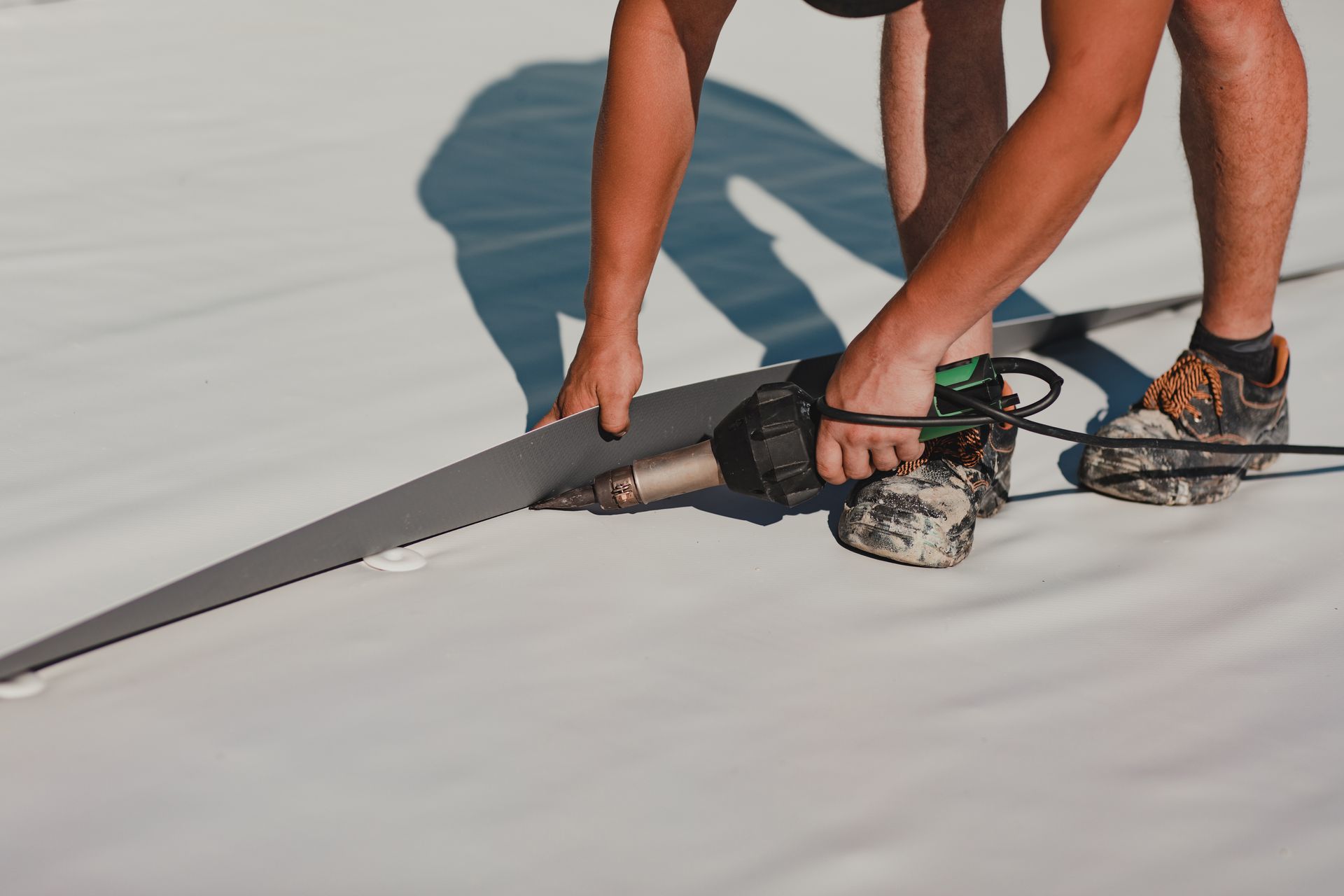
The reinforced thermoplastic membrane forms the primary weathering surface and is installed using the selected attachment method.
Field seams, flashings and many accessories are heat welded so the waterproofing layer acts as a continuous system.
TPO is commonly considered for warehouses, retail buildings, offices, multifamily properties and other low-slope commercial roofs where owners want a reflective membrane, repairable welded seams and a system that can be configured around insulation and attachment requirements.
| System | Type | Seams / Joints | Standout Advantage | Watch Closely |
|---|---|---|---|---|
| TPO | Thermoplastic single-ply | Heat welded | Reflectivity + broad commercial use | Weld quality, drainage, puncture exposure |
| PVC | Thermoplastic single-ply | Heat welded | Chemical/grease resistance + reflectivity | Compatibility, plasticizer aging, detailing |
| EPDM | Synthetic rubber single-ply | Tape / adhesive seams | Flexible membrane + long track record | Seam detailing, punctures, dark surface heat gain |
| Modified Bitumen | Asphalt-based multi-layer | Laps vary by product | Redundancy + asphalt compatibility | Application method, weight, surfacing |
The right system starts with slope, deck, drainage, rooftop use, exposure, existing materials and ownership goals. These related commercial roof systems solve different problems and should not be treated as interchangeable products.
 01
01
Synthetic-rubber single-ply roofing with flexible sheets and proven repair methods.
EXPLORE EPDM ROOFING →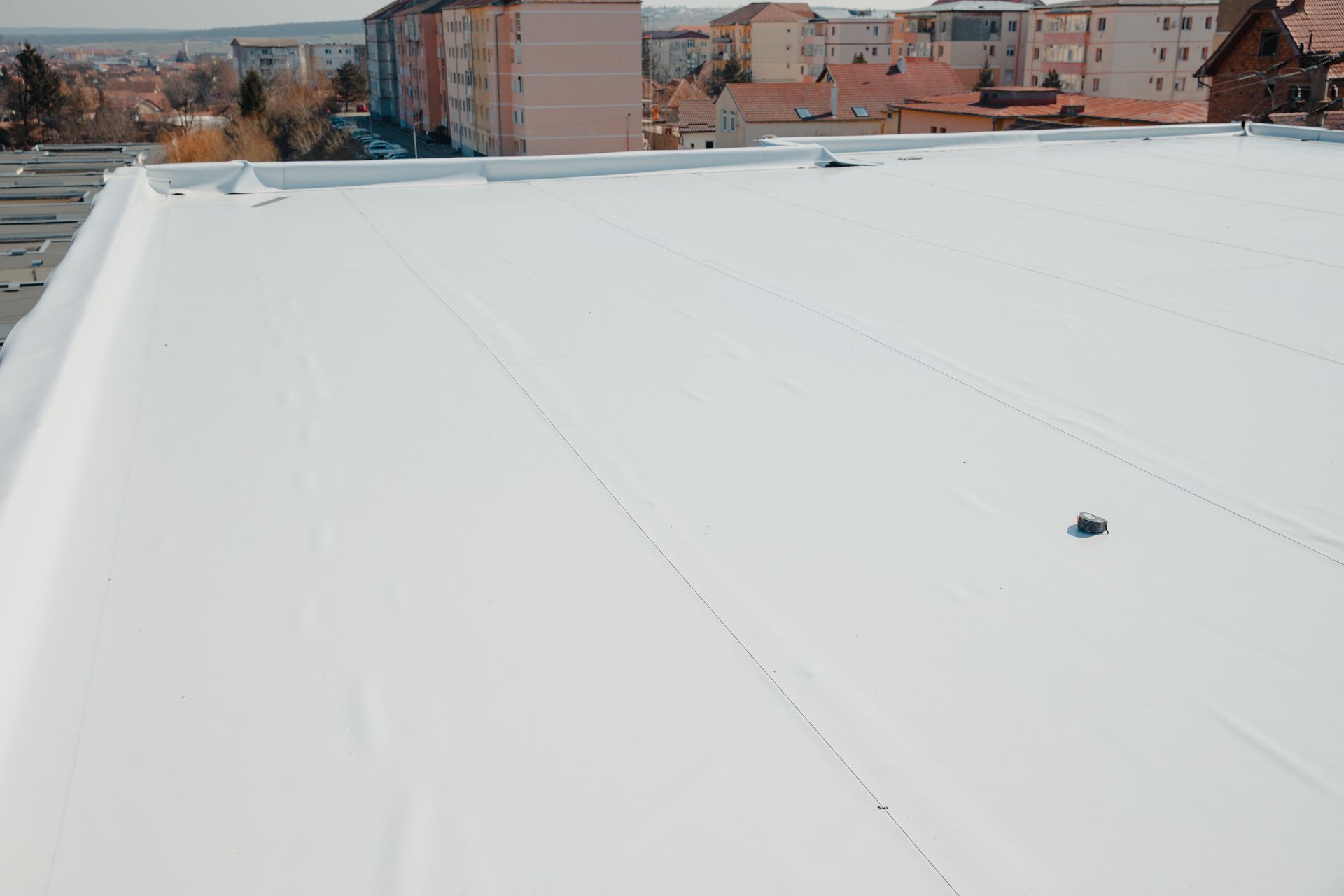 02
02
Thermoplastic membrane with welded seams and strong resistance to many grease and chemical exposures.
EXPLORE PVC ROOFING →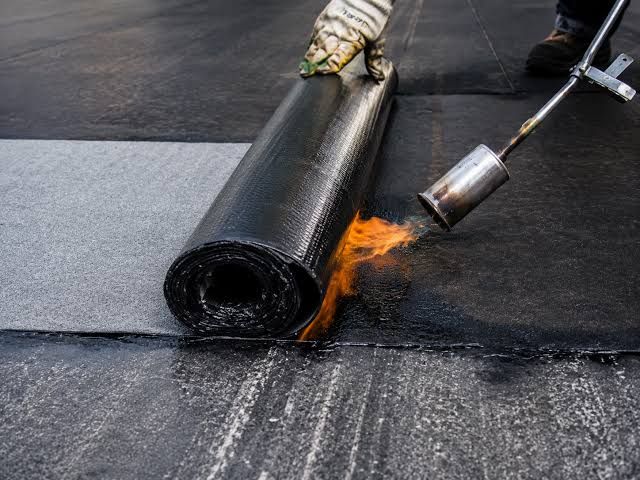 03
03
Reinforced asphalt-based sheets that create durable multi-layer low-slope assemblies.
EXPLORE MODIFIED BITUMEN →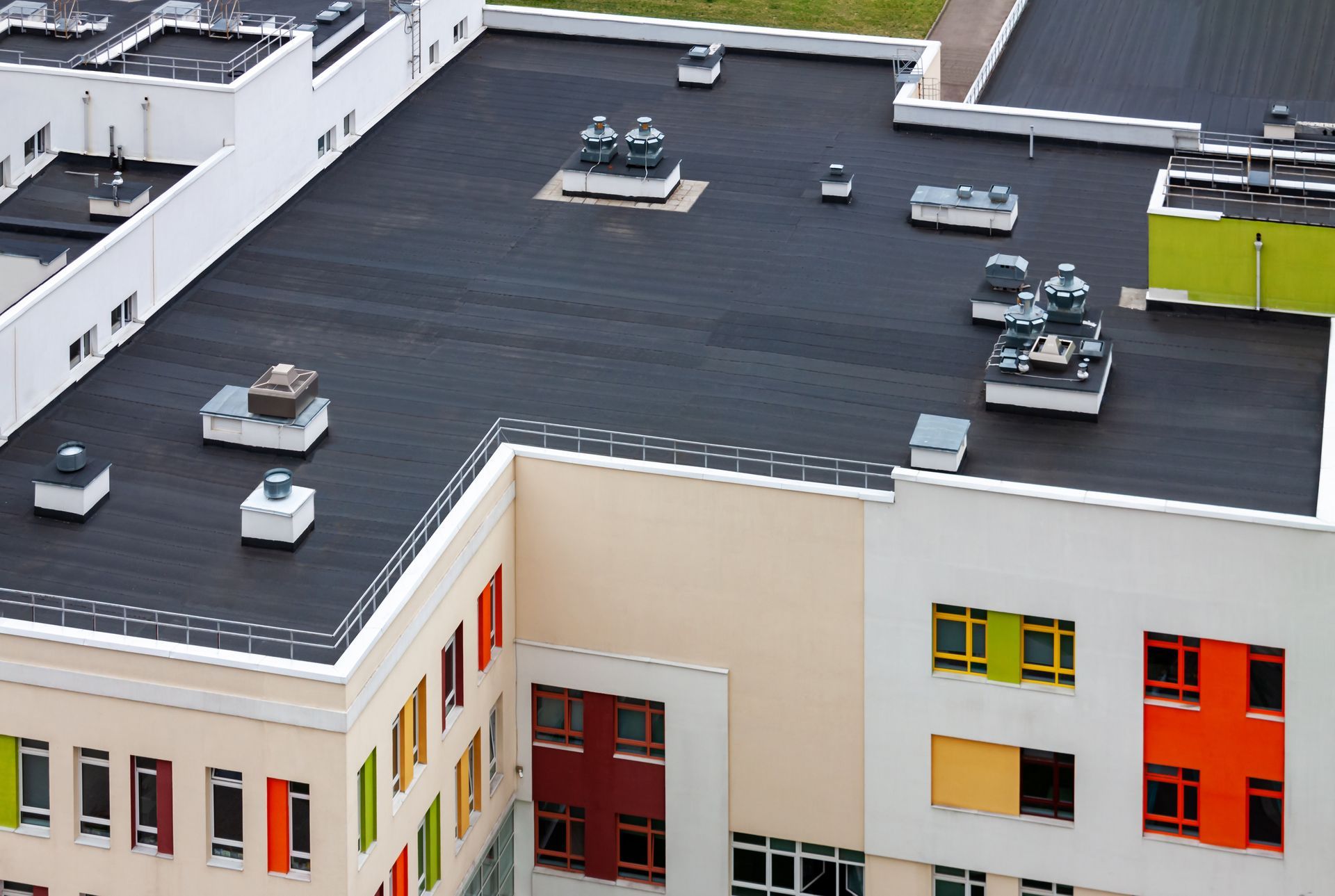 04
04
Multi-ply bitumen and reinforcement for redundant commercial waterproofing.
EXPLORE BUILT-UP ROOFING →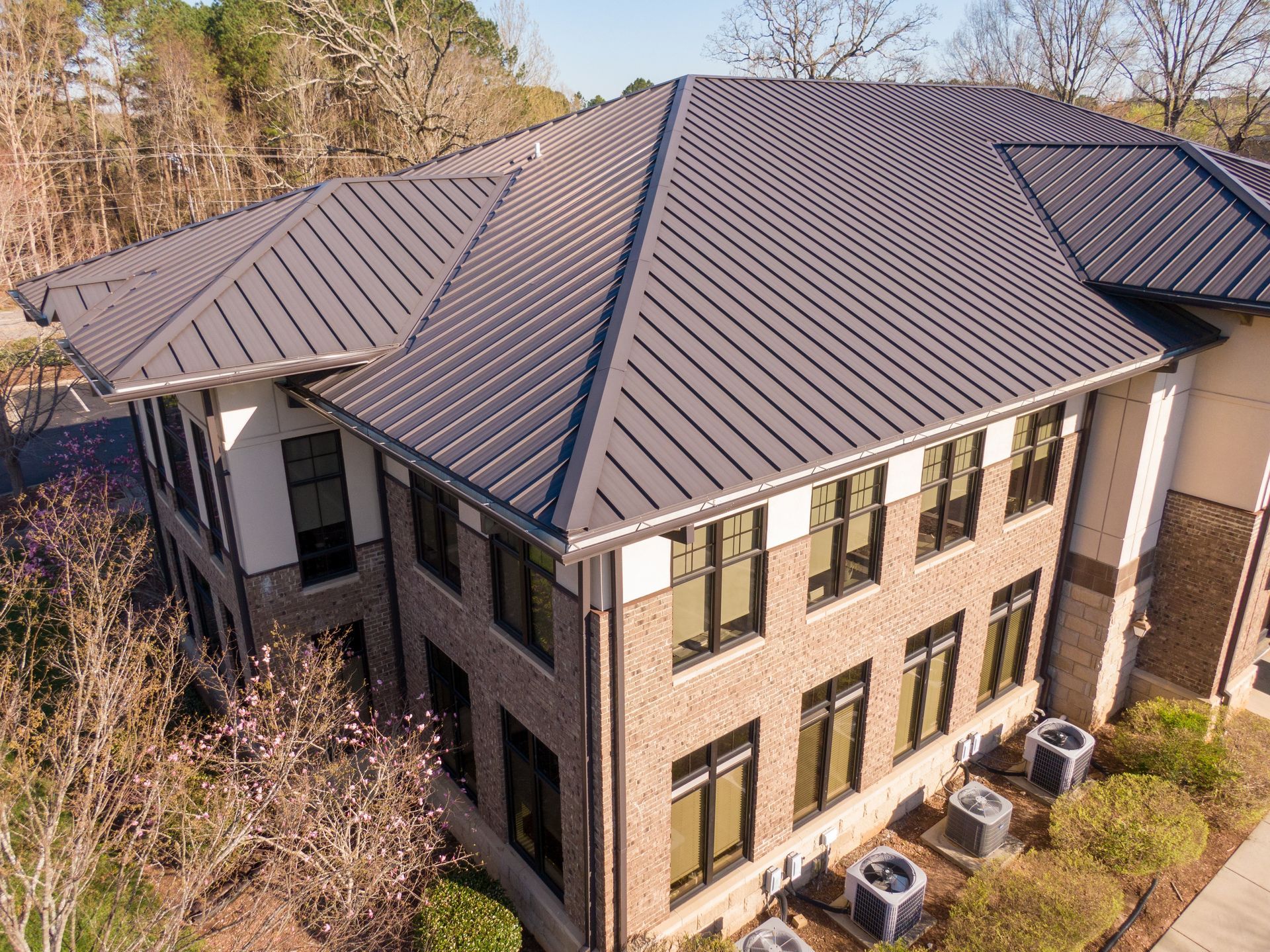 05
05
Panel and standing-seam systems built around movement, attachment and flashing control.
EXPLORE COMMERCIAL METAL →Confirm deck condition, trapped moisture risk, attachment conditions and whether removal or recovery is appropriate.
Evaluate drains, scuppers, gutters and low areas before insulation and membrane layout are finalized.
Build the thermal and support layers to the specified thickness, fastening pattern and slope strategy.
Plan sheets to reduce unnecessary seams and keep field laps away from difficult transitions when practical.
Control equipment settings, speed and surface preparation so seams and flashing welds are consistent.
Probe welds, inspect terminations and penetrations, verify drainage paths and document punch-list corrections.
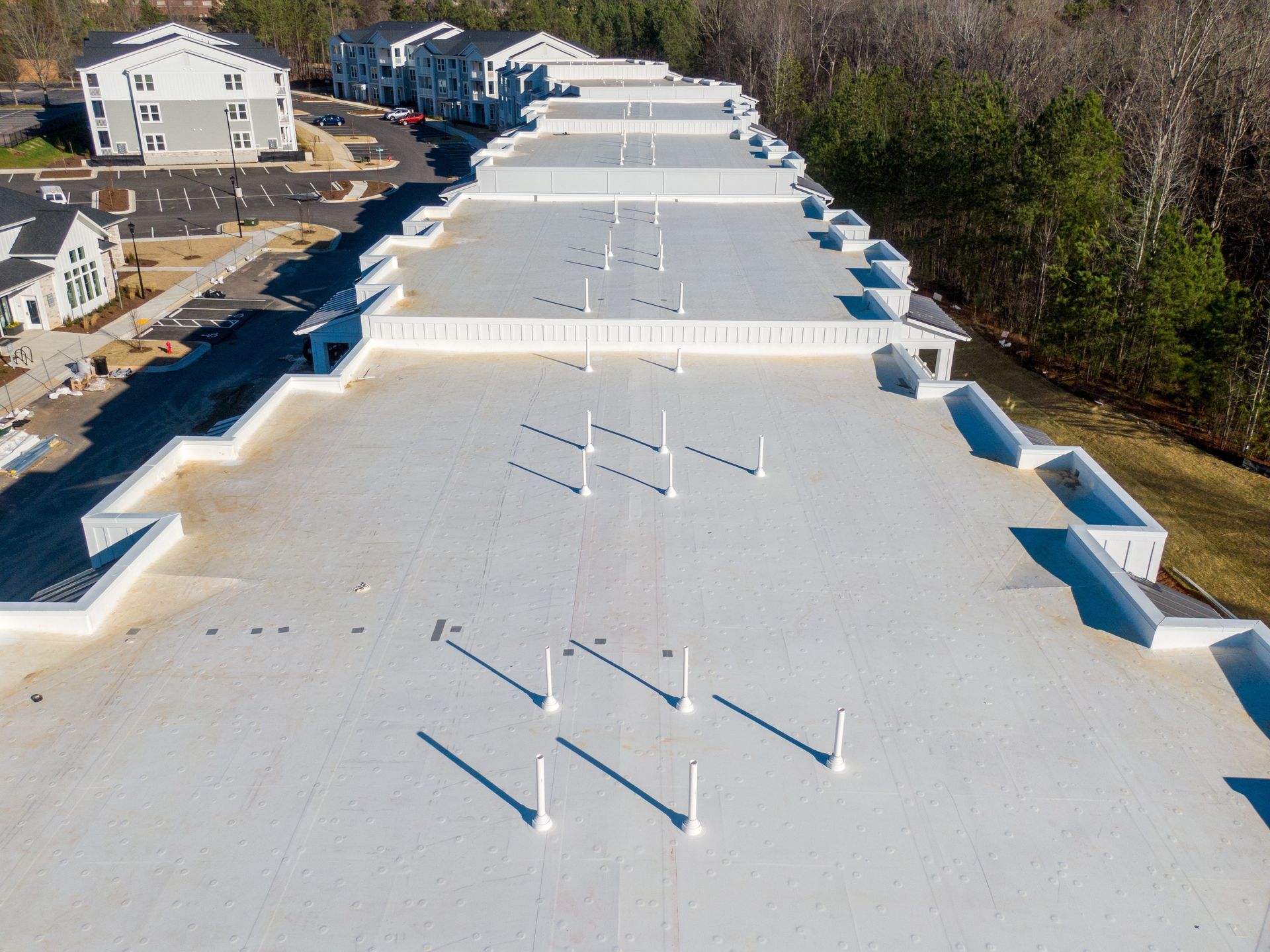
Before recommending a commercial roof project, Ameristar Roofing can evaluate membrane or panel condition, moisture, insulation, deck concerns, drainage, penetrations, previous repairs and the remaining usefulness of the existing assembly.
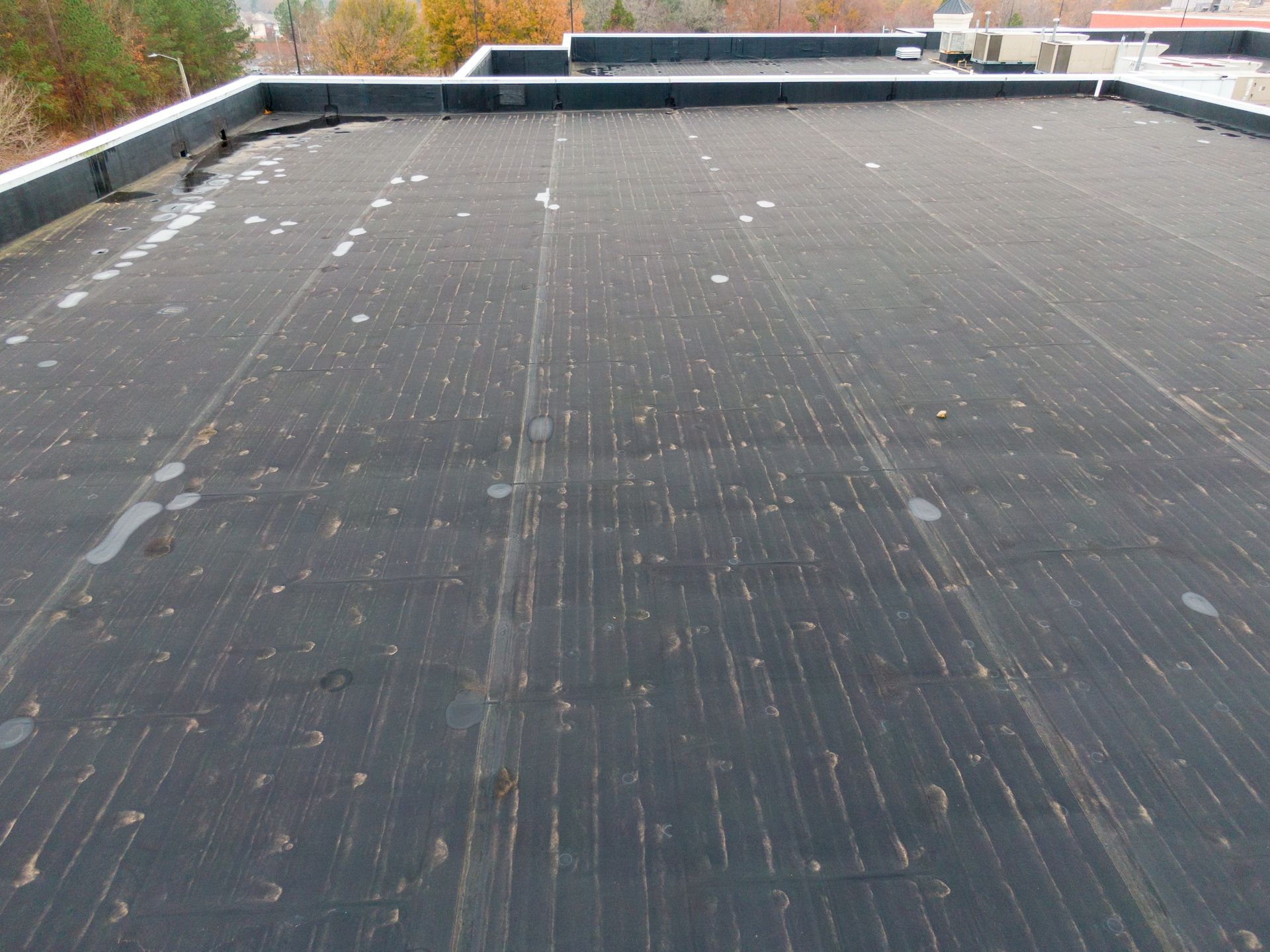
A small leak does not automatically mean full replacement. The opposite is also true: a roof covered in patchwork is not automatically a good repair candidate just because another bucket of sealant can be purchased.
The decision should be based on the extent of deterioration, trapped moisture, attachment, recurring leak history, building plans and whether a repair or recover can reasonably restore dependable performance.
Ameristar Roofing can inspect the existing commercial roof, evaluate the assembly and help determine whether tpo roofing belongs in the repair, recover or replacement plan.
(770) 831-1770