
OVERFLOW DURING RAIN
Overflow can be caused by clogs, poor pitch, inadequate downspout capacity or gutters that are too small for the roof area and rainfall intensity.
A gutter system is part of the roof’s water-management plan. Ameristar Roofing evaluates gutter condition, roof runoff, downspout placement and drainage problems before recommending repair or replacement.
Atlanta gets frequent heavy rain, and a large roof can move a surprising amount of water in a short period. Gutters and downspouts are responsible for collecting that runoff and directing it away from fascia, siding, walkways, landscaping and the building perimeter.
When gutters sag, separate, clog constantly or discharge water in the wrong place, the problem can show up far from the gutter itself. Stained fascia, washed-out landscaping, water near foundations and repeated overflow are all signs that the drainage system deserves a closer look.
Ameristar Roofing evaluates the gutter as part of the property’s roof-and-drainage system. That matters when gutter replacement is coordinated with roof replacement, fascia work or other exterior improvements.
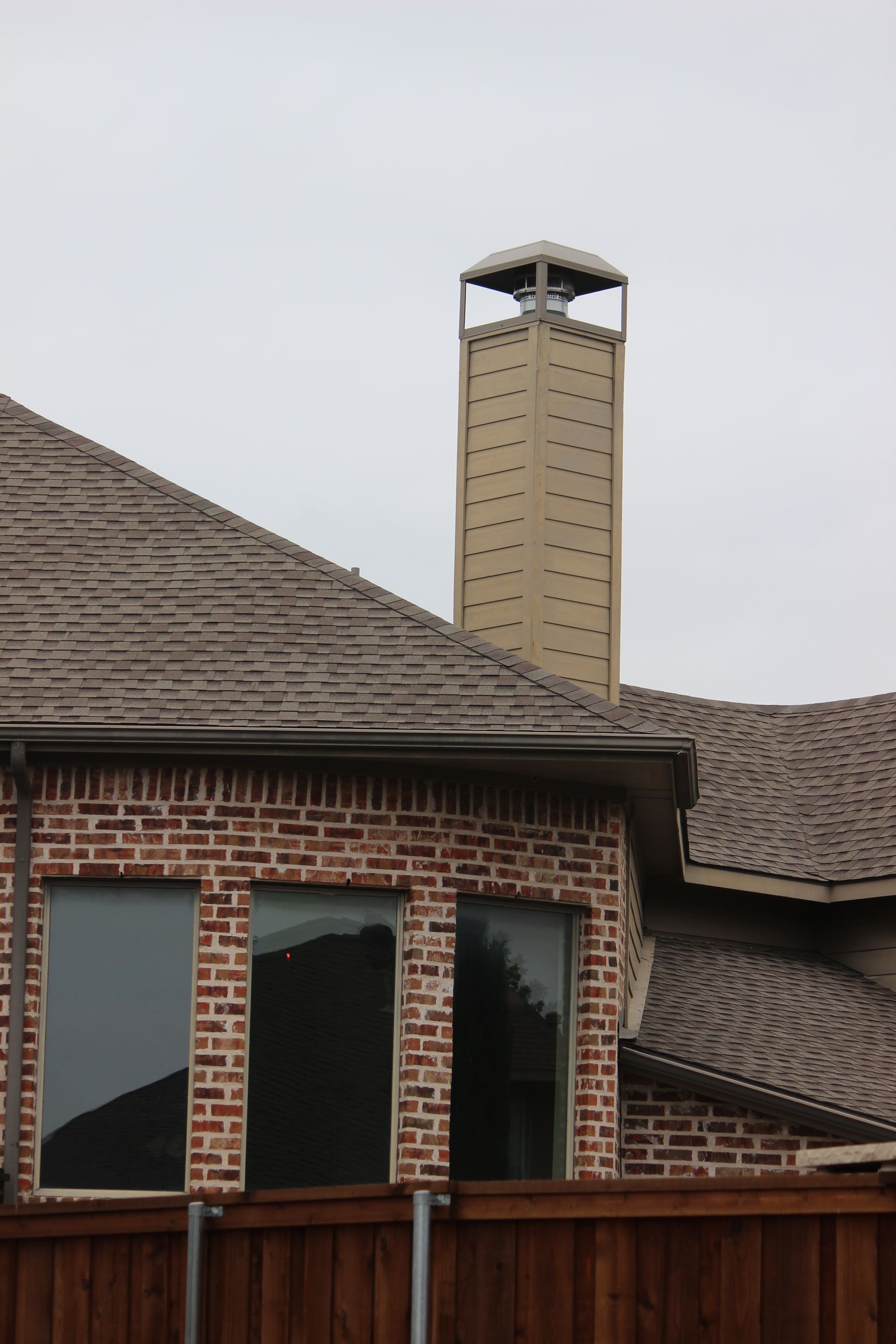
Overflow can be caused by clogs, poor pitch, inadequate downspout capacity or gutters that are too small for the roof area and rainfall intensity.
Loose fasteners, damaged fascia, trapped debris or standing water can cause gutters to separate from the roof edge.
Multiple leaking seams, holes or deteriorated sections can make piecemeal repair less practical than replacement.
Short, disconnected or poorly placed downspouts can dump roof runoff where it creates erosion or moisture problems around the building.
Repeated overflow can carve channels in soil, damage planting beds and create splashback against siding or masonry.
Water behind the gutter can damage fascia and roof-edge materials. The cause should be corrected before simply installing a new gutter over compromised wood.
Sectional gutters rely on more joints. When multiple seams are failing, seamless replacement can reduce the number of potential leak points.
Cleaning may solve debris problems, but it will not correct poor pitch, undersizing, damaged hangers or inadequate downspout configuration.
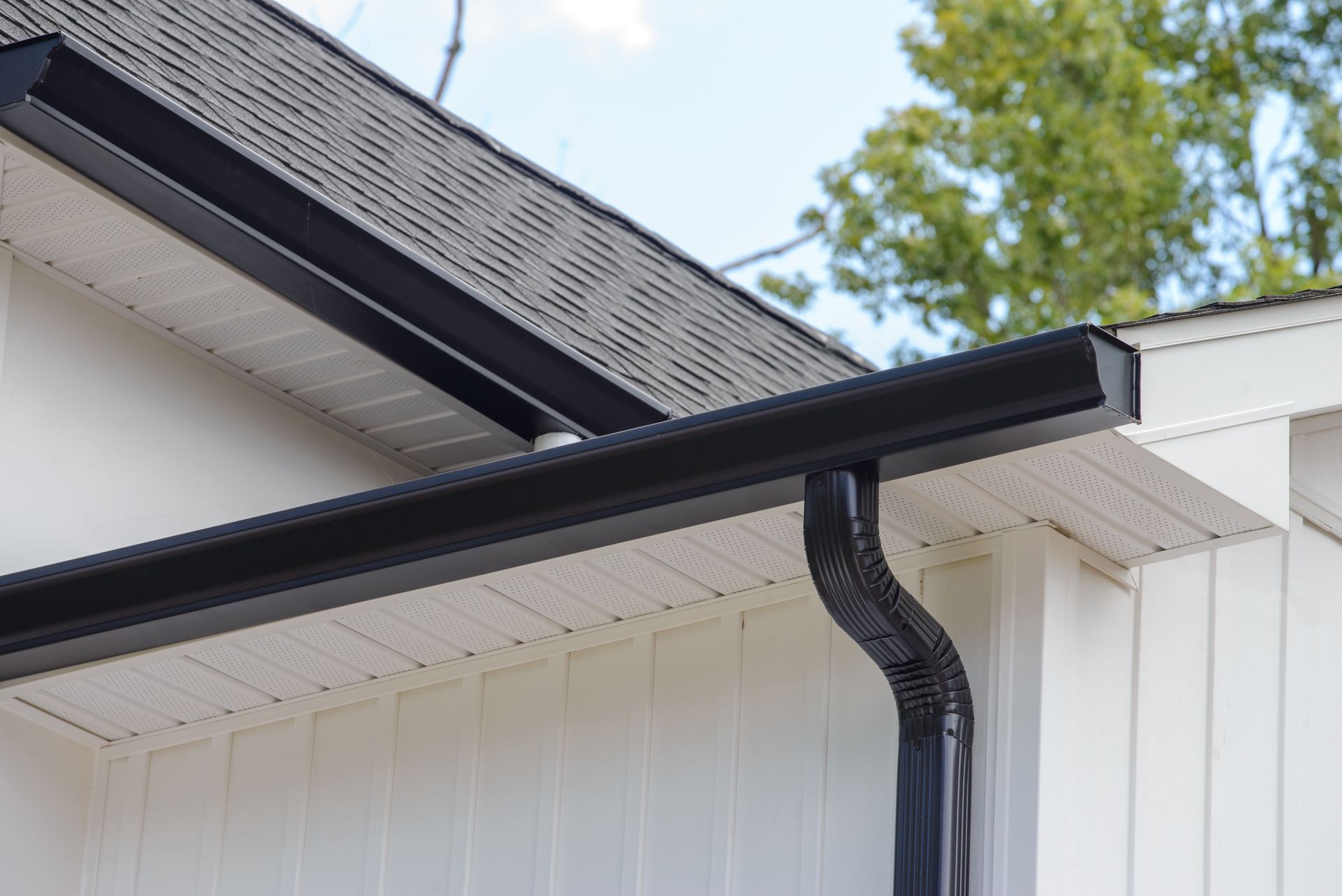
Ameristar’s legacy gutter offering includes seamless aluminum systems in 5-inch and 6-inch sizes. The right configuration should be selected around the property rather than treated as a one-size-fits-all accessory.
The roof-edge assembly should direct runoff into the gutter rather than behind it. Roof and gutter details need to work together.
New gutters need a sound attachment surface. Rotten or damaged fascia should be addressed before relying on it to support the new system.
A gutter only moves the problem if the downspout empties beside the foundation. Discharge location is part of the drainage plan.
Inspect existing gutters, fascia, roof edges, overflow areas and downspout discharge points.
Determine the appropriate gutter size, run lengths, outlet locations and downspout configuration for the property.
Provide a defined scope for installation or replacement, including related conditions that need attention.
Prepare seamless gutter runs and confirm attachment surfaces and roof-edge conditions before installation.
Set gutters for proper flow, secure hangers, connect outlets and install downspouts to the planned discharge locations.
Review the completed drainage path and identify maintenance considerations that can keep the system performing.
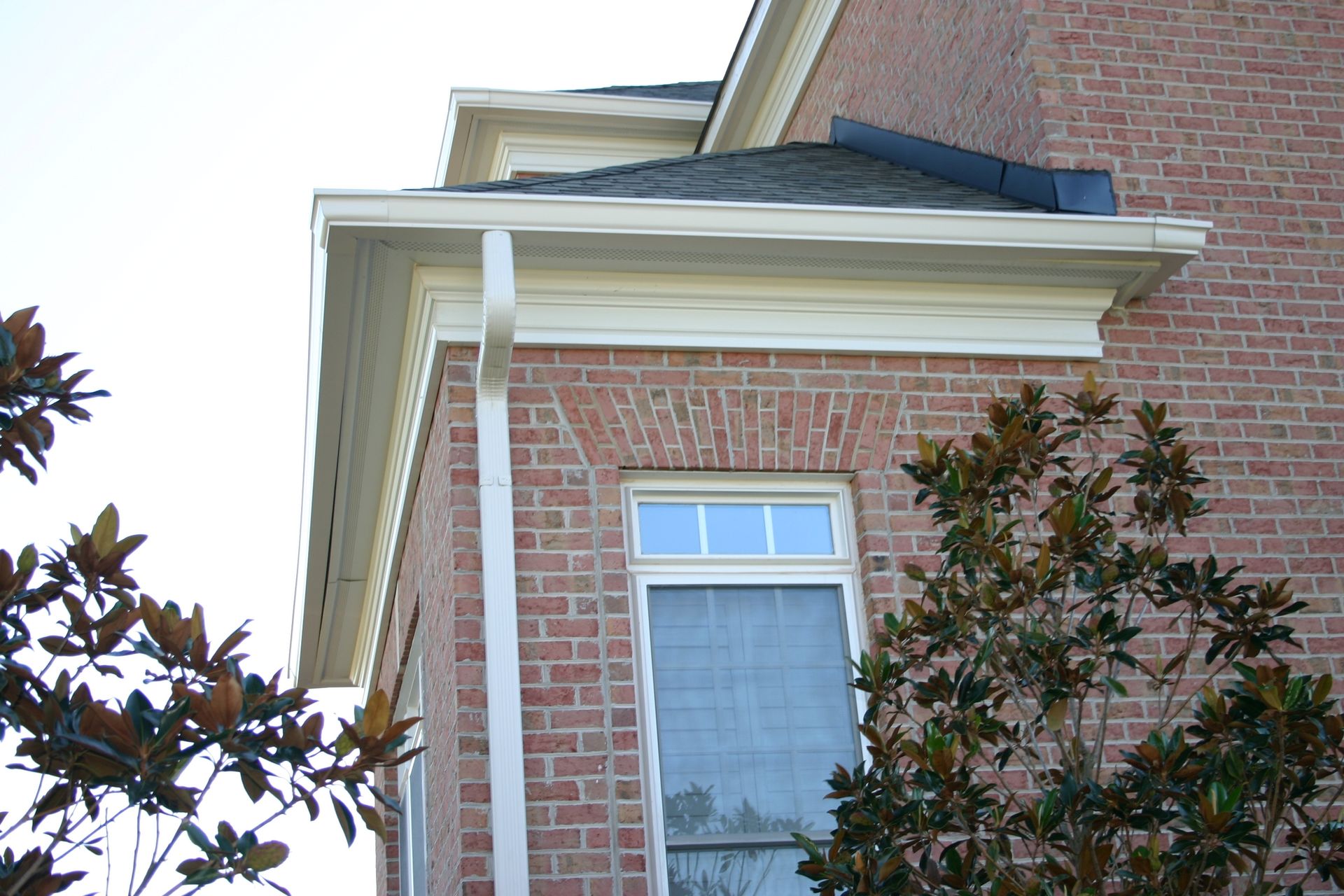
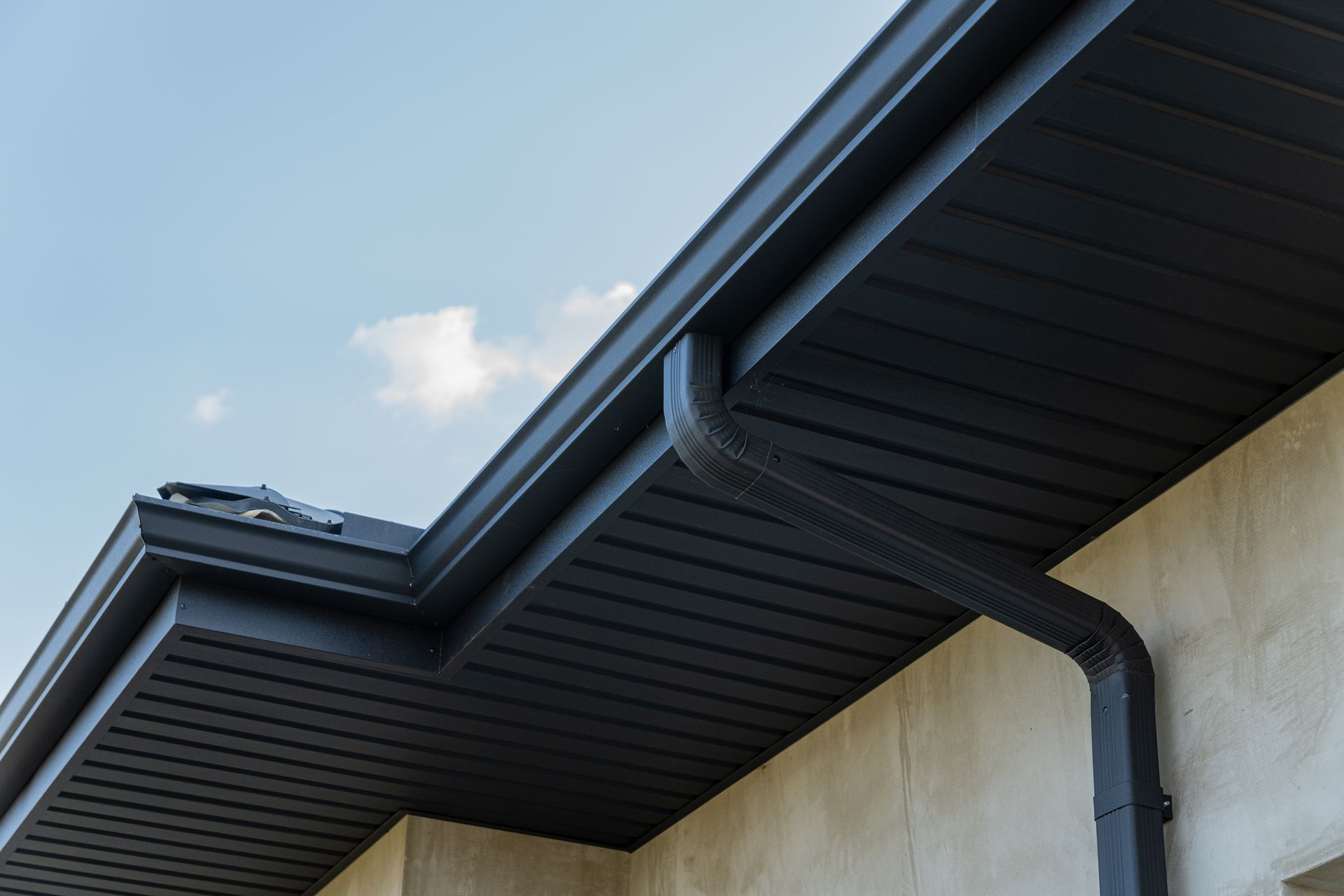
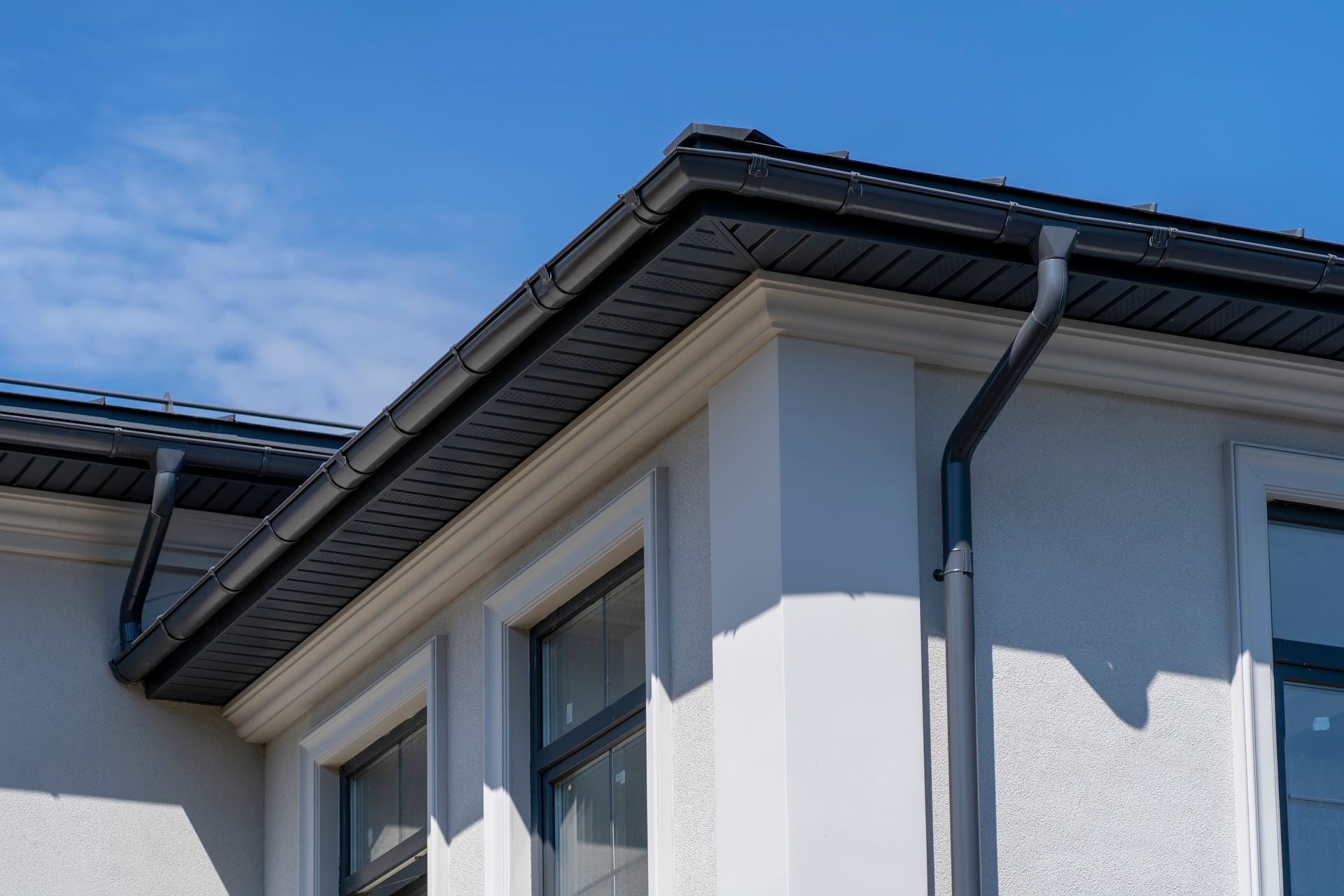
Ameristar Roofing installs and replaces gutter systems as part of a complete roof-and-drainage approach for Atlanta properties.
(770) 831-1770