01
ROOF DECK
The structural deck supports the weight of the roof and must be evaluated for condition and attachment.
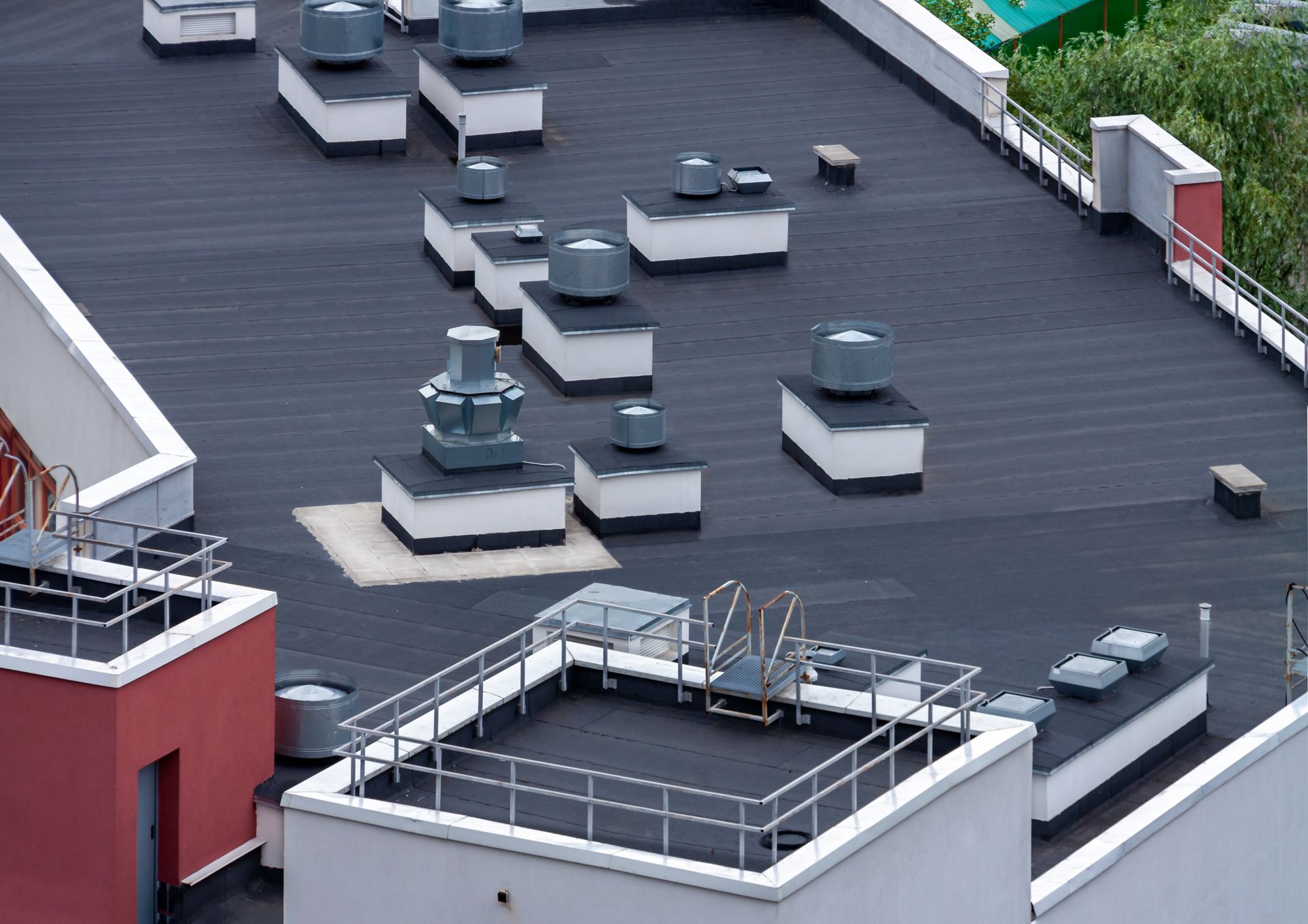
Built-up roofing, commonly called BUR, creates a low-slope commercial roof from multiple layers of bitumen and reinforcement, producing a redundant waterproofing assembly with a long commercial roofing history.
Built-up roofing is a multi-ply low-slope roof system assembled from alternating layers of bitumen and reinforcing felts or fabrics, then protected with an approved surfacing. Depending on the specification, surfacing may include aggregate, a coated surface or another compatible finish. BUR is valued for redundancy because water must get through multiple waterproofing layers rather than a single membrane sheet.
BUR systems earn their name literally: the roof is built up in place. Deck conditions, insulation, base layers, bitumen, reinforcing plies, flashing membranes, surfacing, edge details and drainage all affect the final roof rather than one factory-made membrane doing the entire job.
The structural deck supports the weight of the roof and must be evaluated for condition and attachment.
Thermal layers and a stable substrate help establish drainage and support the roofing plies.
A compatible base sheet or initial ply provides the transition between substrate and the built-up membrane.
Hot asphalt or approved cold-applied bituminous materials bond and waterproof the reinforcing layers.
Multiple felt or fabric plies create redundancy and distribute stresses throughout the roof membrane.
Aggregate, coating or another approved finish protects the asphaltic membrane from ultraviolet exposure and wear.
BUR is often found on established commercial, institutional and industrial buildings with low-slope roofs. It may be considered where owners value multi-ply redundancy, durable surfacing and compatibility with an existing asphalt-based roof, particularly when the building and structure can support the assembly.
| System | Type | Seams / Joints | Standout Advantage | Watch Closely |
|---|---|---|---|---|
| Built-Up Roofing | Bitumen + multiple reinforcing plies | Field-built layers | Redundancy + durable surfacing | Weight, logistics, surfacing, drainage |
| Modified Bitumen | Factory-made modified asphalt sheets | Product-specific laps | Reinforced sheets + asphalt compatibility | Application method, heat, laps, weight |
| TPO | Thermoplastic single-ply | Heat welded | Reflectivity + lighter assembly | Weld quality, punctures, drainage |
| EPDM | Synthetic rubber single-ply | Tape / adhesive seams | Large sheets + flexibility | Seams, punctures, traffic protection |
The right system starts with slope, deck, drainage, rooftop use, exposure, existing materials and ownership goals. These related commercial roof systems solve different problems and should not be treated as interchangeable products.
 01
01
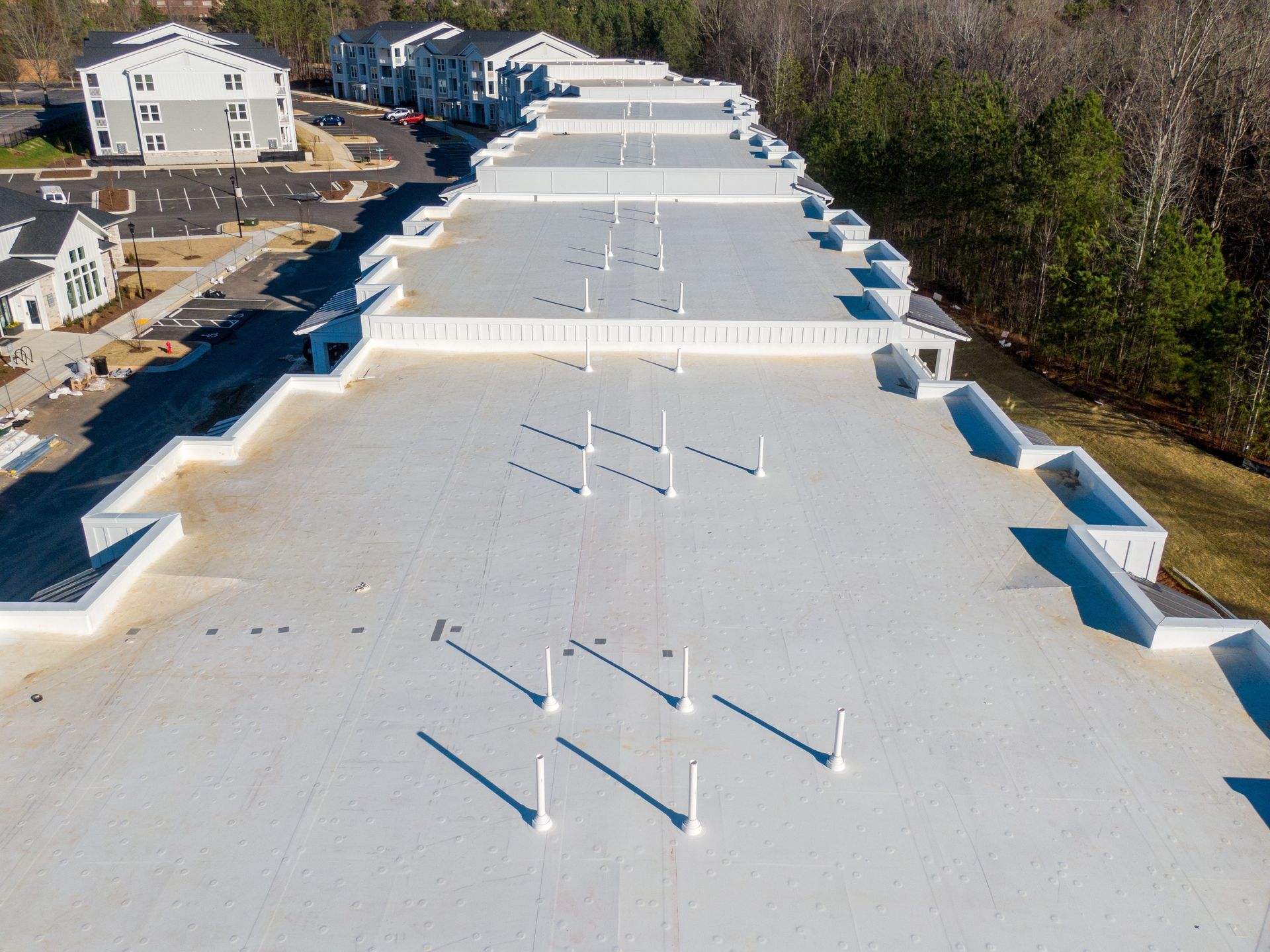
Thermoplastic single-ply with heat-welded seams for low-slope commercial roofs.
EXPLORE TPO ROOFING →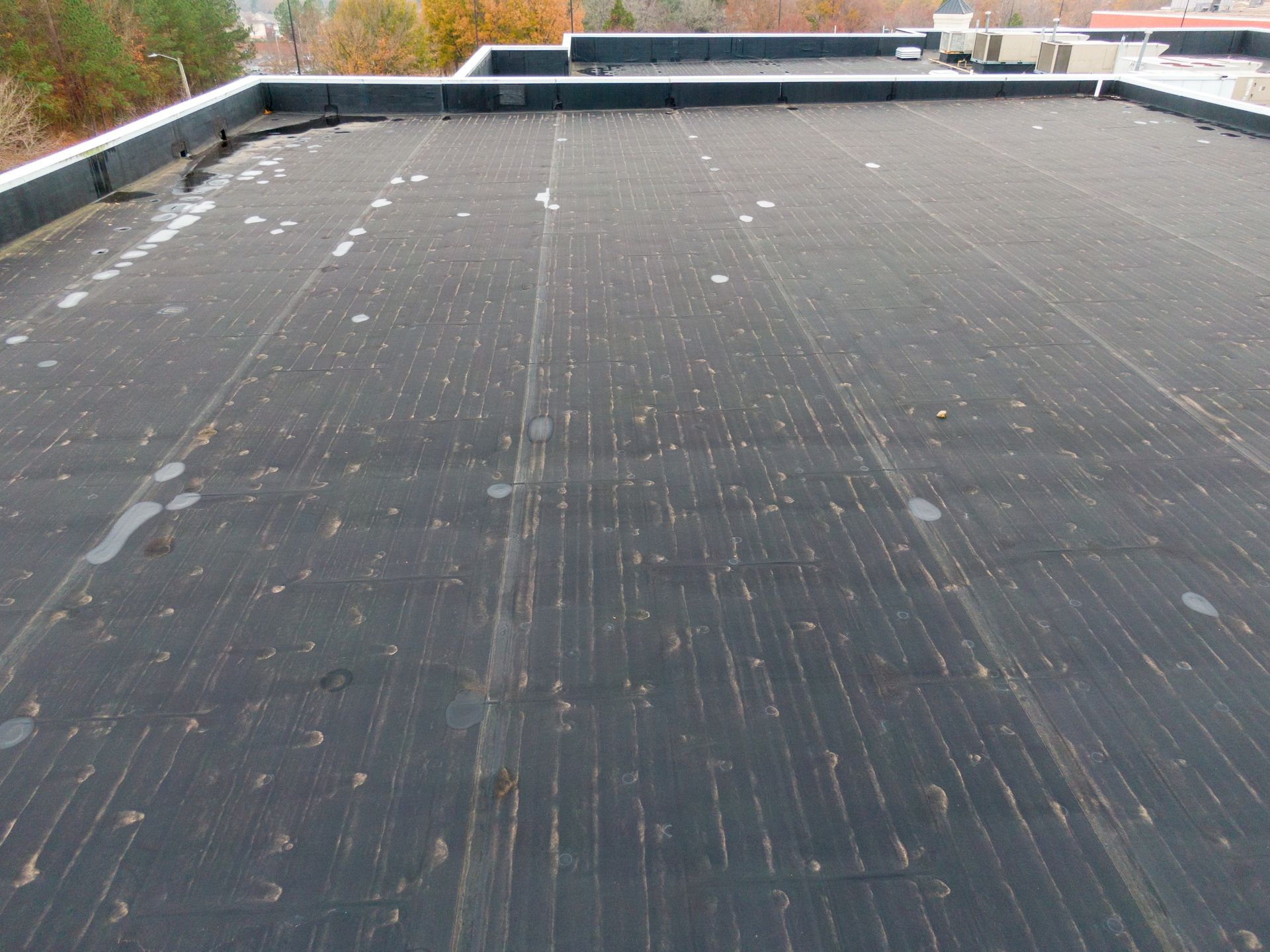 02
02
Synthetic-rubber single-ply roofing with flexible sheets and proven repair methods.
EXPLORE EPDM ROOFING →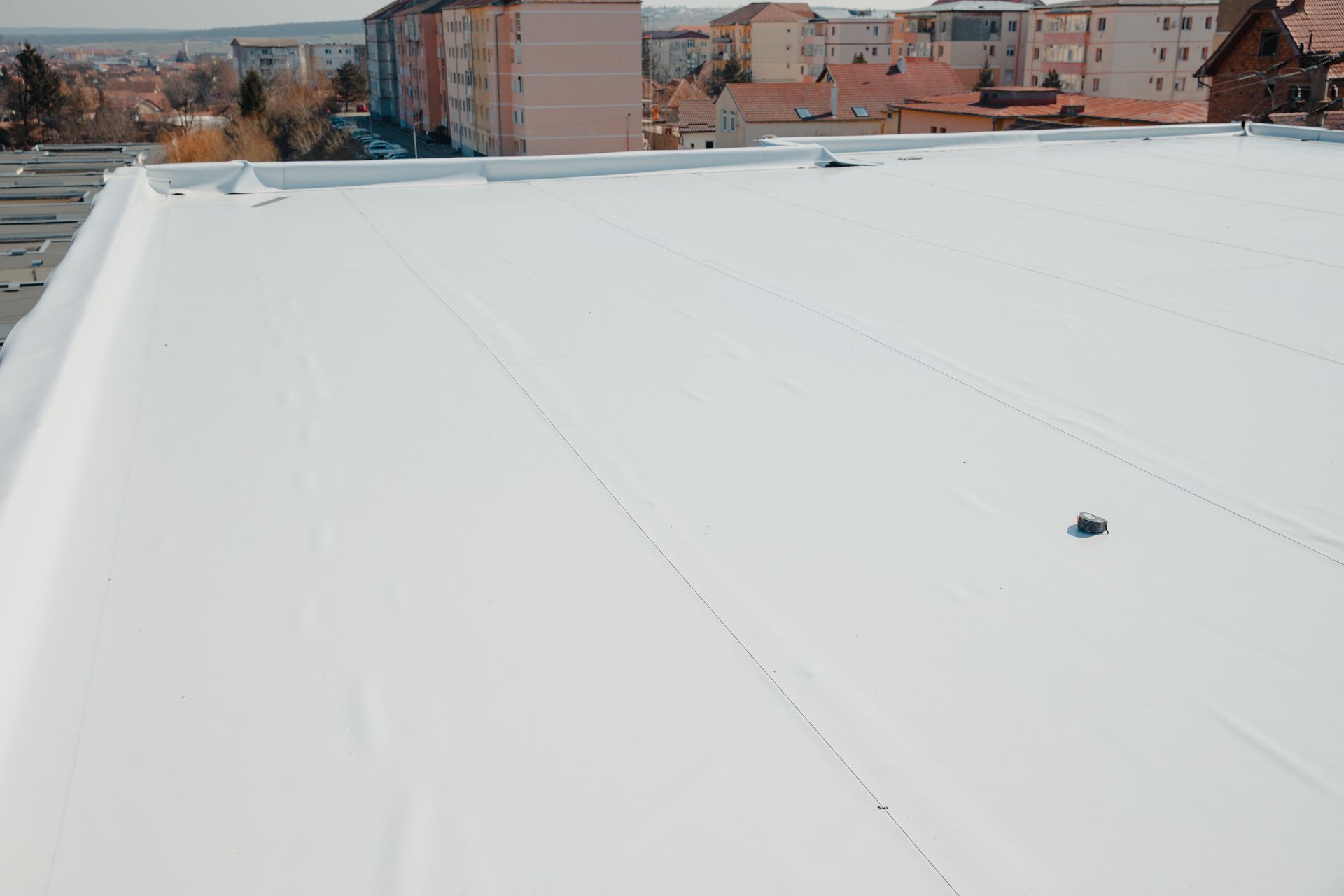 03
03
Thermoplastic membrane with welded seams and strong resistance to many grease and chemical exposures.
EXPLORE PVC ROOFING →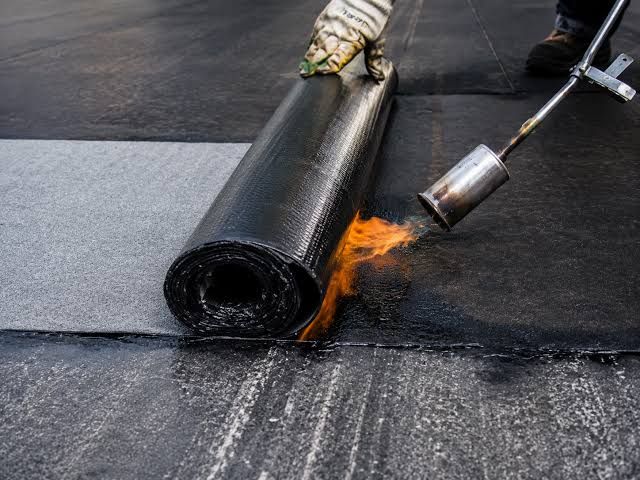 04
04
Reinforced asphalt-based sheets that create durable multi-layer low-slope assemblies.
EXPLORE MODIFIED BITUMEN →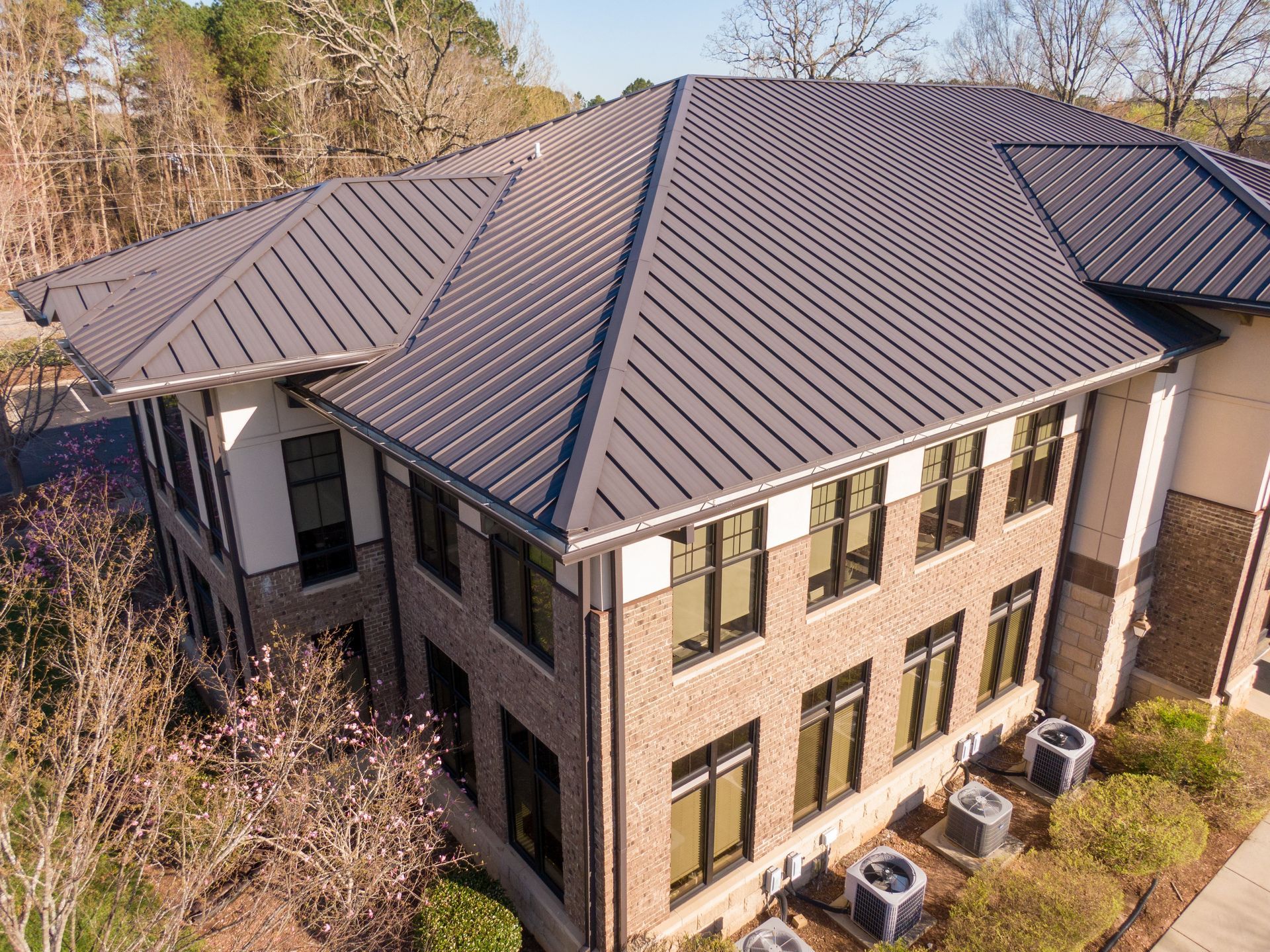 05
05
Panel and standing-seam systems built around movement, attachment and flashing control.
EXPLORE COMMERCIAL METAL →Confirm deck condition, existing roof composition, moisture, attachment and whether the structure is suitable for the specified system.
Determine what must be removed and what, if anything, can remain under code and system requirements.
Build the thermal and drainage package before membrane plies lock the roof profile in place.
Install bitumen and reinforcing layers at the specified coverage, overlap and sequence.
Integrate walls, curbs, drains and penetrations into the multi-ply membrane rather than treating them as separate repairs.
Complete the protective surface, check drainage and terminations, and correct voids or exposed asphalt before closeout.
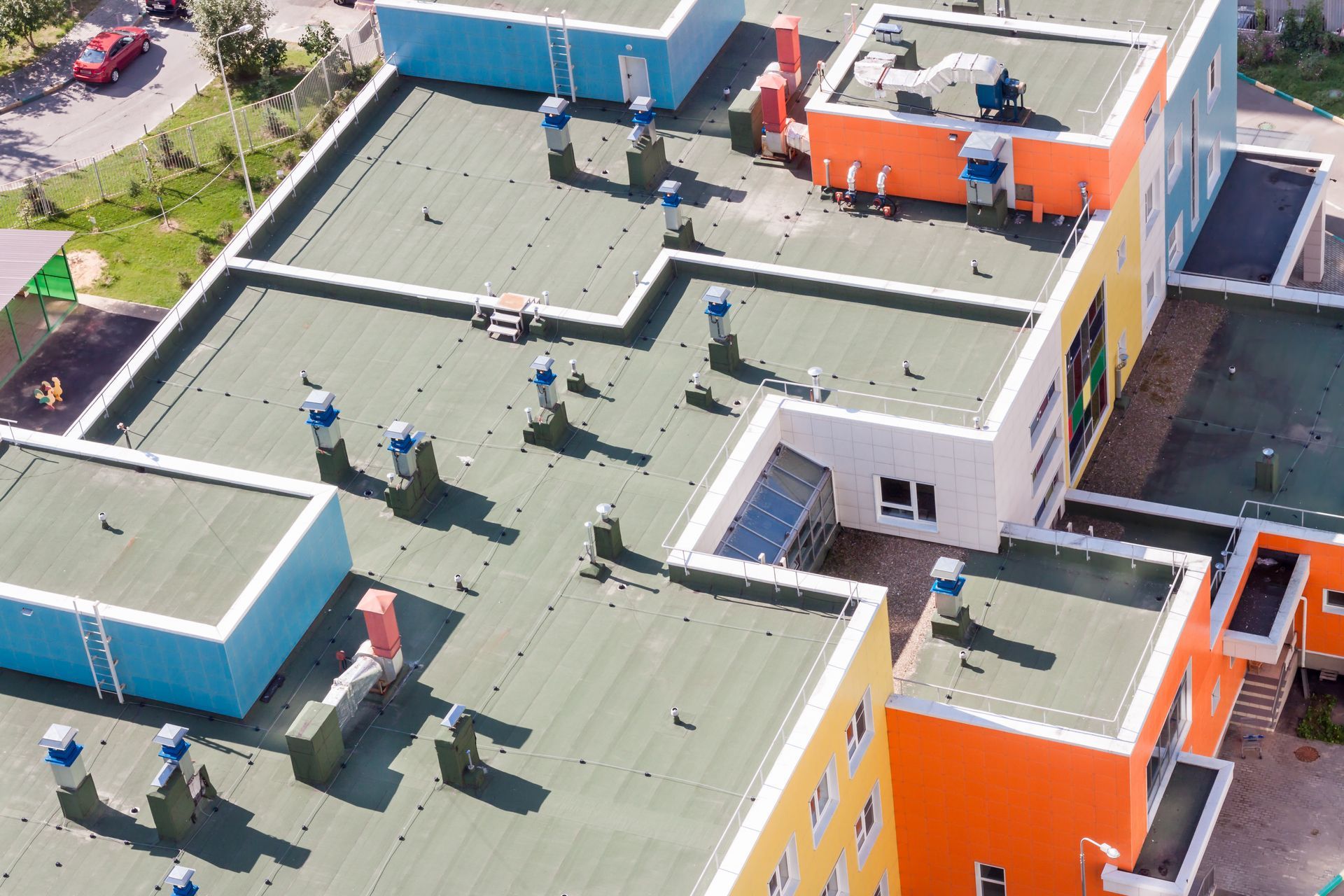
Before recommending a commercial roof project, Ameristar Roofing can evaluate membrane or panel condition, moisture, insulation, deck concerns, drainage, penetrations, previous repairs and the remaining usefulness of the existing assembly.
A small leak does not automatically mean full replacement. The opposite is also true: a roof covered in patchwork is not automatically a good repair candidate just because another bucket of sealant can be purchased.
The decision should be based on the extent of deterioration, trapped moisture, attachment, recurring leak history, building plans and whether a repair or recover can reasonably restore dependable performance.
Ameristar Roofing can inspect the existing commercial roof, evaluate the assembly and help determine whether built-up roofing belongs in the repair, recover or replacement plan.
(770) 831-1770